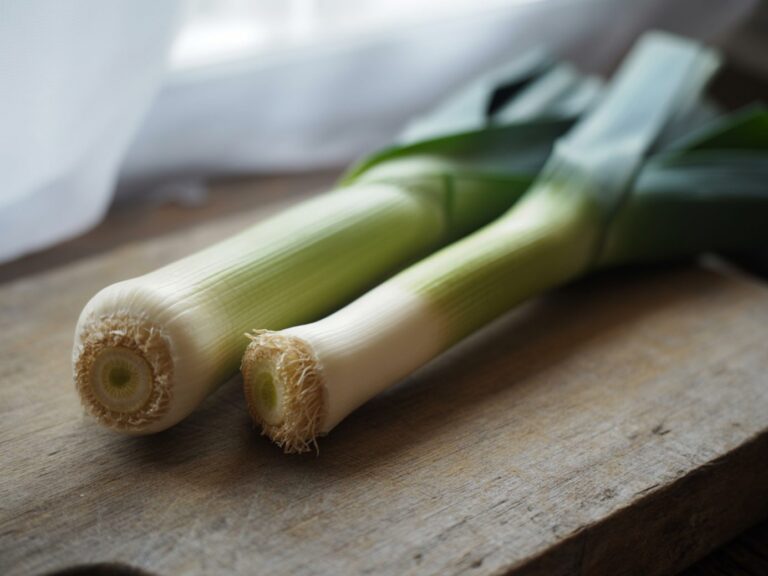
Scallion
Scallions bring a fresh, mild onion bite to everything from scrambled eggs to ramen—your most versatile allium.
In a nutshell
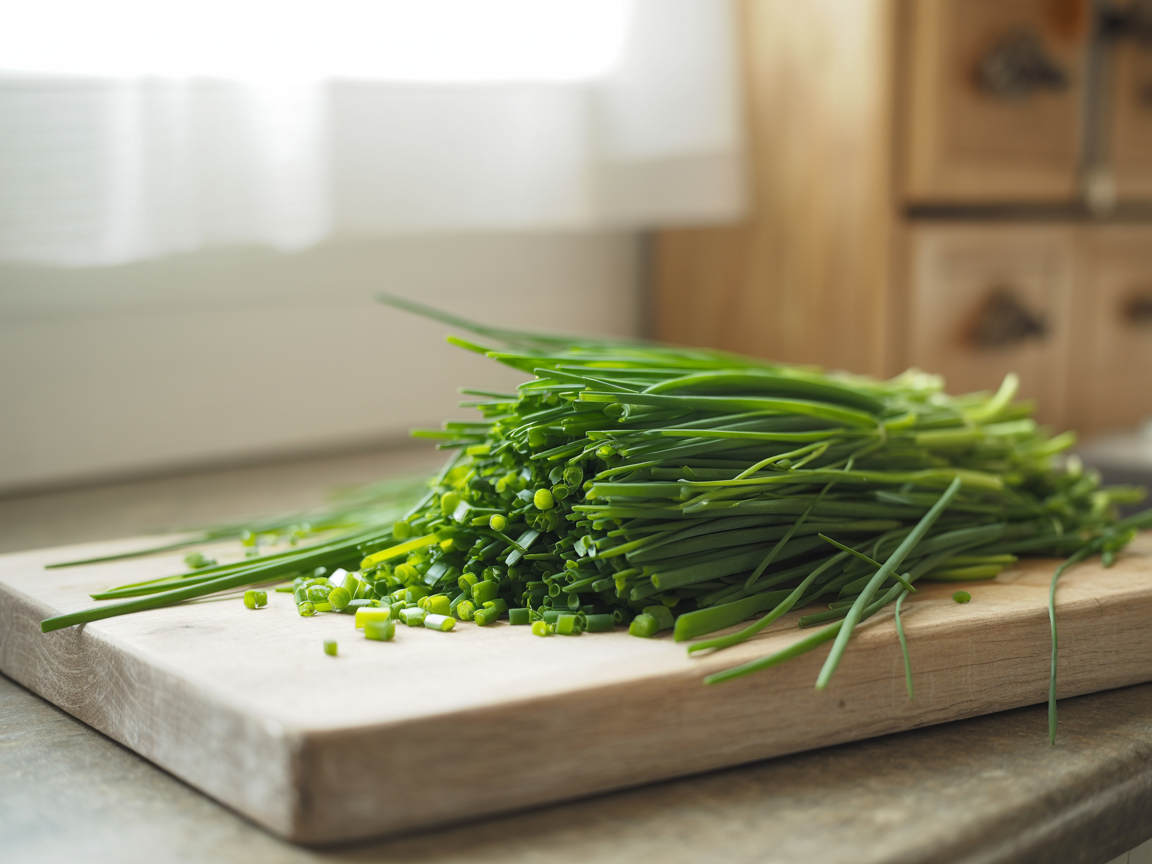
Scallions—also called green onions or spring onions—are young onion plants harvested before the bulb fully forms. They have a crisp, grassy white base and tender green tops, each with a slightly different intensity. Raw or cooked, they add a bright, clean onion flavor without overpowering a dish.
Nutrition
≈ 4 Calories and 0g fat per tablespoon.
Scallions are impressively low in calories yet pack a useful hit of dietary fiber, which supports digestive health. They’re a solid source of vitamin K, important for blood clotting and bone metabolism, and contribute meaningful vitamin C for immune support. Like other alliums, they contain quercetin and organosulfur compounds linked to anti-inflammatory and antioxidant activity. The sodium content is negligible, making them friendly for low-sodium diets. Nutrition per 100g via Spoonacular.
Culinary uses & pairings
Scallions shine as a finishing garnish—sliced thin and scattered over soups, tacos, noodle bowls, or deviled eggs, the green tops add color and a fresh pop of onion flavor right before serving. The white and light-green parts, being slightly more pungent, are excellent raw in salads, slaws, dips, and dressings where you want a little bite without the sharpness of a yellow onion.
When heat is involved, scallions behave beautifully. Sauté the white bases as an aromatic foundation in stir-fries, fried rice, or egg dishes, or toss whole scallions on a hot grill until charred and tender—they become sweet and almost buttery. They’re also a classic addition to pancake batters, dumpling fillings, and compound butters, where their mild flavor blends rather than dominates.
Pairs well with
Substitutions
Buying & storage
Look for scallions with firm, bright white bases and deep-green, perky tops—avoid any that are slimy, yellowing, or wilted, which signal age. Thinner scallions tend to be more tender and mild, while thicker ones have a more pronounced bite. Bunches are typically sold with a rubber band; give the tops a gentle squeeze to confirm they’re not mushy. Farmers markets often carry them freshly pulled with a little soil still clinging to the roots, which actually helps them stay fresh longer.
Types
- Standard green onion: The most common supermarket variety—slim, mild, and sold in bunches year-round.
- Spring onion: Technically a scallion left to grow a little longer; it has a small rounded bulb and a slightly stronger, sweeter flavor.
- Tokyo negi (Japanese long onion): A thicker, longer variety prized in Japanese cooking for grilling and hot pot; the white shaft is especially tender.
- Red scallion: A less common variety with a purplish tinge; mildly sweeter and visually striking as a garnish.
Recipes using scallion
275 recipes across our recipe sites use scallion. A few favorites:
Cooking with scallion tonight?
Find scallion recipes that match your diet — keto, high-protein, vegan, under 30 minutes — and build a shopping list in one tap.
History & origin
Scallions have been cultivated for over 5,000 years, with their origins traced to Central Asia and western China. They were an everyday staple in ancient Chinese, Korean, and Japanese cuisines long before the bulbing onion became dominant in the West. The Romans cultivated alliums including early bunching onion types, and by the Middle Ages they were common kitchen garden plants throughout Europe. The name ‘scallion’ derives from the ancient port city of Ashkelon (in modern Israel), where a type of onion was famously traded—a name that passed into Latin as ‘Ascalonia’ and eventually into English as ‘scallion.’
How it’s made
Scallions are simply young onion plants harvested before bulb formation. Seeds are sown densely in well-drained, fertile soil and can be ready to pull in as few as 60 to 80 days. Because they’re harvested immature, they require no curing like dry onions—they’re pulled, cleaned, trimmed, and bundled directly for market. Many gardeners also grow them as perennials by leaving the roots in the ground after cutting, allowing the green tops to regrow multiple times from the same plant. Some varieties, like the Welsh onion, never form a true bulb at all and are grown exclusively as a bunching onion.
Good to know
- Every part of a scallion is edible—roots included, which can be regrown in a glass of water on your windowsill.
- The white base contains more of the pungent sulfur compounds, while the green tops are milder and higher in chlorophyll-based nutrients.
- In Korean cuisine, scallions are a foundational ingredient appearing in kimchi, pajeon (scallion pancakes), and countless soups.
- Scallions are one of the fastest vegetables a home gardener can grow, reaching harvest size in about two months from seed.
- Cutting scallions with scissors directly into a dish—rather than chopping on a board—is a common time-saving technique in Asian home cooking.