Curry Powder
Curry powder is the warm, golden spice blend that transforms everyday pantry staples into something truly extraordinary.
In a nutshell
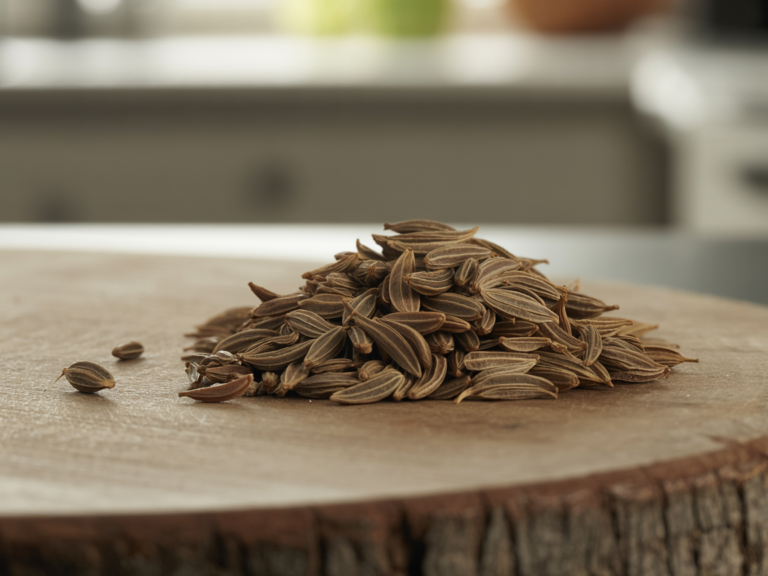
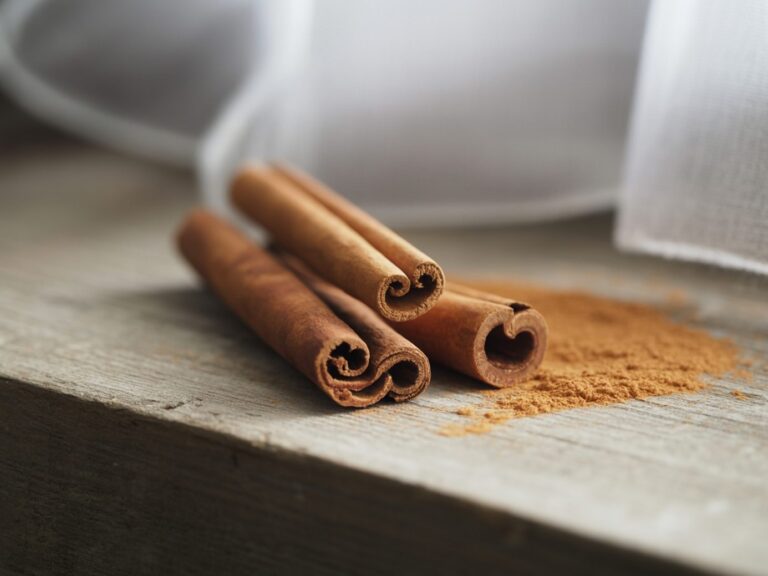
Curry powder is a pre-mixed blend of ground spices — most often turmeric, coriander, cumin, and chili — developed largely for Western convenience. It delivers earthy, warm, mildly spicy flavor in a single scoop. No two blends are identical, so expect variation from brand to brand.
Nutrition
≈ 44 Calories and 1.9g fat per tablespoon.
Because curry powder is used in small amounts, its per-tablespoon nutrient contribution to a dish is modest — but it still earns its keep health-wise. Turmeric, almost always a prominent spice, supplies curcumin, a well-studied anti-inflammatory compound. The blend contributes some dietary fiber from the fibrous cell walls of seeds like coriander and fenugreek. Coriander and cumin contribute small amounts of iron and manganese. Chili components offer capsaicin, linked to metabolism support, and blends containing dried chili provide modest levels of vitamin C and vitamin A precursors. Nutrition per 100g via Spoonacular.
Culinary uses & pairings
Curry powder is most at home as a building-block seasoning bloomed in oil or ghee at the start of cooking — a technique that unlocks fat-soluble flavor compounds and softens raw spice edges. From there it anchors sauces, braises, and soups across South Asian, Caribbean, and British-influenced cuisines. Stir it into coconut milk for a quick weeknight curry, dust it over chickpeas before roasting, or whisk it into a yogurt marinade for chicken thighs.
Beyond the pot, curry powder shines as a dry rub and finishing seasoning. Mix it with salt and a little oil and rub it onto shrimp, lamb chops, or cauliflower steaks before grilling. A pinch livens up deviled eggs, potato salad, creamy dressings, and even popcorn. Because it already contains multiple spices, a single tablespoon does the flavor-layering work that might otherwise require five or six separate jars.
Pairs well with
Substitutions
Buying & storage
Look for curry powder with a deep, vivid golden-orange color — a pale, dusty-tan color signals age or low turmeric content. Smell the jar if you can; it should hit you with warm, bright aroma immediately, not a faint or musty whisper. Tins and opaque containers protect the blend better than clear jars because light degrades volatile oils quickly. Standard supermarket blends are perfectly usable, but blends from specialty spice shops or South Asian grocers tend to be fresher, more aromatic, and often more complex. Check the ingredient list: blends with whole-spice names (ground coriander seed, ground cumin seed) are preferable to those padded with generic fillers.
Varieties
- Standard (mild) curry powder: The most widely sold style in US supermarkets; turmeric-forward with balanced coriander and cumin and only gentle heat — a reliable everyday choice.
- Madras curry powder: Associated with the Chennai (Madras) region of South India; noticeably hotter thanks to a higher proportion of chili, with a deeper, more pungent profile.
- Hot curry powder: Simply a higher-chili version of the standard blend; heat level varies significantly by brand, so taste before you add a full tablespoon.
- Japanese curry powder (S&B style): Milder and slightly sweeter than Indian-inspired blends, often including star anise and cardamom; the foundation of Japanese kare raisu (curry rice).
- Caribbean curry powder: Popular in Trinidadian and Jamaican cooking; typically includes allspice and sometimes dried mango powder (amchur), giving it a fruity, warming character distinct from South Asian styles.
Recipes using curry powder
66 recipes across our recipe sites use curry powder. A few favorites:
Cooking with curry powder tonight?
Find curry powder recipes that match your diet — keto, high-protein, vegan, under 30 minutes — and build a shopping list in one tap.
History & origin
Curry powder as we know it is largely a British colonial development of the 18th century. When East India Company traders returned home from South Asia, they craved the bold flavors they’d encountered — but the intricate fresh spice pastes and region-specific masalas of Indian cooking didn’t survive the voyage. British spice merchants responded by standardizing a shelf-stable ground blend they could sell to home cooks, and ‘curry powder’ was born. The earliest recorded British recipes using the blend appear in the late 1700s. The blend spread globally through British colonial networks, taking firm root in the Caribbean, South Africa, Fiji, and Japan — each region adapting the formula to local palates. Meanwhile, in India itself, no single ‘curry powder’ tradition exists; cooks in every region and household compose their own spice combinations for each dish.
How it’s made
Commercial curry powder begins with individually sourced and cleaned spice seeds, pods, and roots — typically coriander, cumin, turmeric, fenugreek, chili, black pepper, and often mustard seed, ginger, and cardamom. Each spice is usually dry-roasted separately at controlled temperatures to develop its volatile flavor oils without burning. After roasting and cooling, the spices are hammer-milled or stone-ground to a fine, uniform powder and then blended in proprietary ratios. The finished blend is inspected for color consistency, moisture content, and microbial safety before packaging in airtight tins or sealed bags. Higher-quality producers grind in small batches and package quickly to preserve aromatic freshness, while large commercial producers may blend larger quantities at a time.
Good to know
- Turmeric gives curry powder its signature golden-yellow color and can stain cutting boards, countertops, and light-colored clothing almost permanently.
- There is no single ‘curry’ spice — the word is widely believed to derive from the Tamil ‘kari,’ meaning sauce or relish, and the powder is a Western simplification of a vastly diverse culinary tradition.
- Japan imports and consumes curry powder so enthusiastically that curry rice (kare raisu) is considered one of the country’s most popular everyday dishes.
- Curcumin, the active compound in turmeric, is fat-soluble and more bioavailable when consumed with a fat — which is exactly what happens when you bloom curry powder in oil or ghee.
- The British Raj-era dish ‘mulligatawny soup’ — adapted from a Tamil pepper-based broth whose name roughly means ‘pepper water’ — helped popularize curry powder in Western cooking and remains a staple of Anglo-Indian cuisine.