Couscous
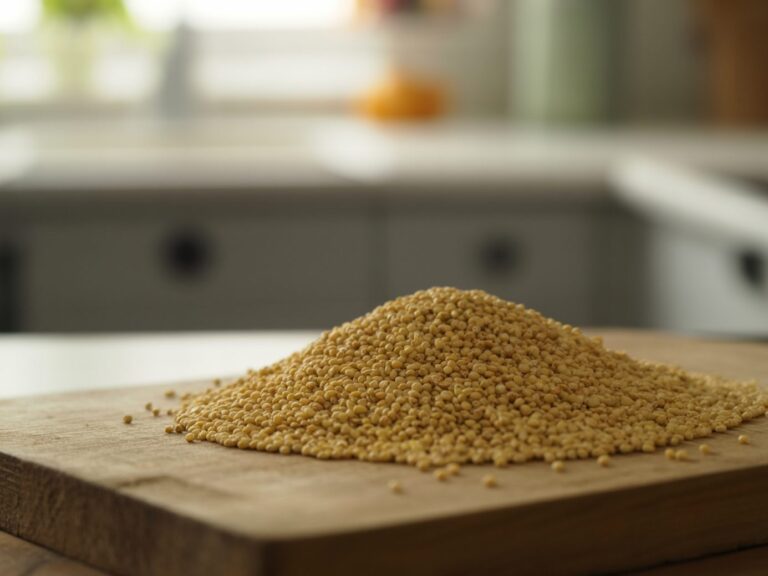
Couscous is the quick-cooking North African pantry staple that goes from pantry to table in under 10 minutes.
In a nutshell
Couscous is tiny steamed and dried granules of semolina wheat that cook almost instantly with nothing more than boiling water. It has a mild, slightly nutty flavor that soaks up sauces and spices beautifully. Think of it as a faster, fluffier alternative to rice or quinoa.
Nutrition
≈ 51 Calories and 0.1g fat per tablespoon.
Couscous is primarily a complex carbohydrate food, making it a solid source of sustained energy. Its roughly 6 grams of protein per 100 g cooked (about 13 g per 100 g dry) is modest but respectable for a grain, and its fiber content supports digestive health and helps moderate blood sugar response. The fat content is remarkably low and what little there is comes mostly from heart-friendlier unsaturated forms. Couscous also provides modest amounts of selenium, an antioxidant mineral that supports immune function, along with some B vitamins including niacin and folate that play roles in energy metabolism. Nutrition per 100g via Spoonacular.
Culinary uses & pairings
Couscous shines as a quick weeknight side dish. Simply pour boiling broth over it, cover for five minutes, then fluff with a fork and finish with olive oil, fresh herbs, or toasted nuts. It pairs naturally beneath braised lamb, roasted chicken, or a saucy Moroccan tagine, soaking up every drop of flavorful liquid.
Beyond the side-dish role, couscous makes a fantastic grain salad base. Toss cooled couscous with cucumbers, cherry tomatoes, kalamata olives, chickpeas, and a lemony vinaigrette for a crowd-pleasing lunch. It also works well stuffed into bell peppers or hollowed zucchini boats, or added to broth-based soups for extra body.
Pairs well with
Substitutions
Buying & storage
Look for semolina durum wheat listed as the first ingredient, which signals better flavor and texture than blends made with softer flours. Most supermarkets carry standard instant couscous in 10-oz to 2-lb boxes; Israeli (pearl) couscous is usually stocked nearby and labeled as such. Whole-wheat couscous is increasingly common in natural food sections and adds extra fiber. If you can find a Middle Eastern or North African grocery, you may come across traditionally made couscous in bulk—worth grabbing for its superior nutty depth.
Varieties
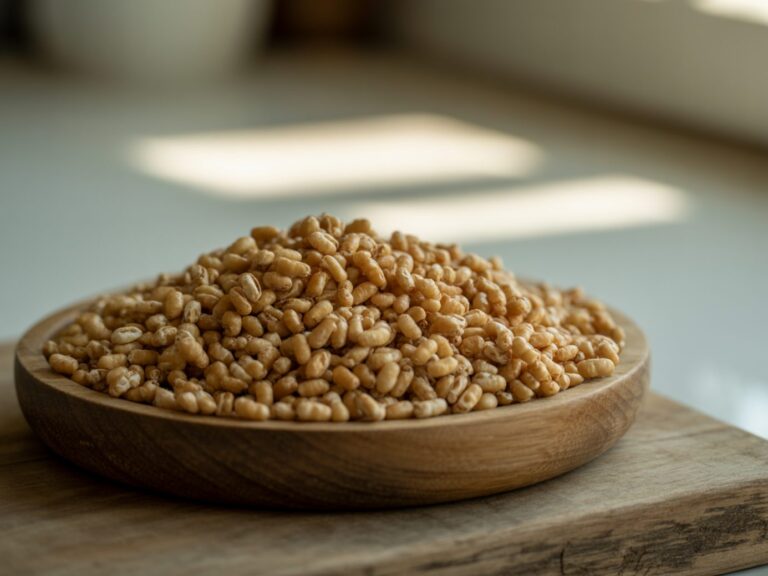
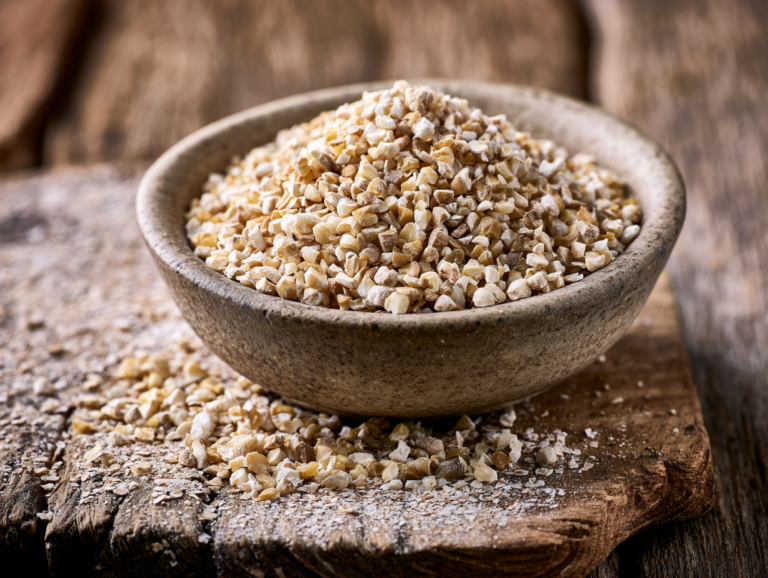
- Moroccan (Instant) Couscous: The smallest and most common type sold in the US; granules are about 1 mm and rehydrate in just 5 minutes with boiling water or broth.
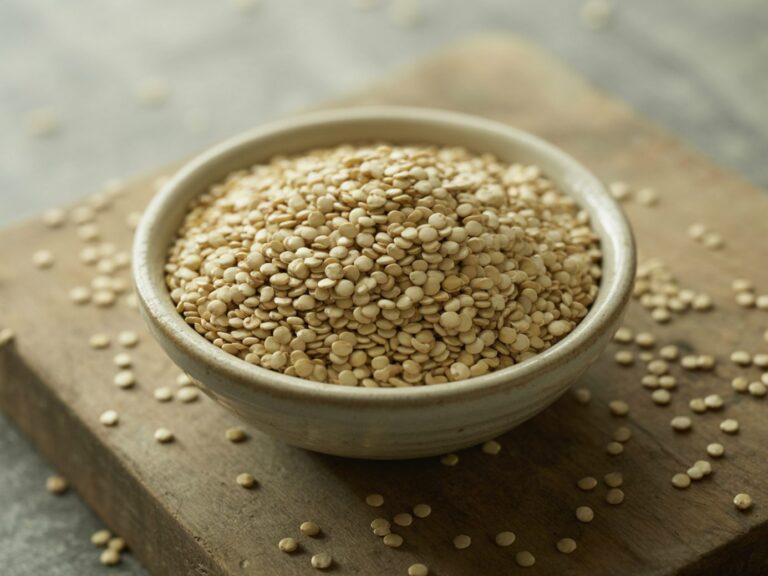
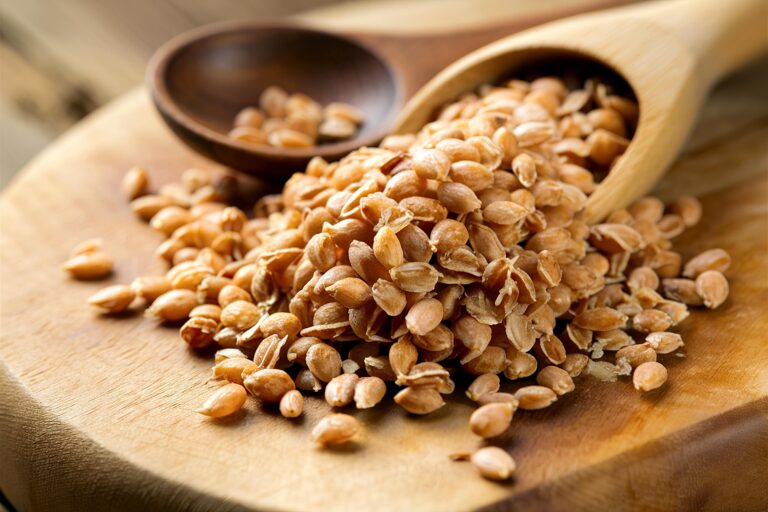
- Israeli (Pearl) Couscous: Larger, round pearls about 4–5 mm across; toasted during production for a nuttier flavor and pleasantly chewy texture. Simmer in liquid like pasta.
- Lebanese (Moghrabieh) Couscous: The largest of the three, roughly the size of a small pea; typically simmered with broth and spiced stews rather than simply rehydrated.
- Whole-Wheat Couscous: Made from whole-grain durum wheat; earthier in flavor, higher in fiber and B vitamins, and a slightly denser texture than the refined version.
Recipes using couscous
16 recipes across our recipe sites use couscous. A few favorites:
Cooking with couscous tonight?
Find couscous recipes that match your diet — keto, high-protein, vegan, under 30 minutes — and build a shopping list in one tap.
History & origin
Couscous originated in the Maghreb region of North Africa—present-day Morocco, Algeria, Tunisia, and Libya—where it has been a dietary cornerstone for at least a thousand years. Medieval Arabic manuscripts from the 13th century contain some of the earliest written recipes, and over subsequent centuries couscous spread with trade networks into sub-Saharan Africa, the Middle East, and southern Europe. French colonial ties with North Africa brought the dish to France, where it became one of the most consumed meals in the country. UNESCO recognized couscous as part of the Intangible Cultural Heritage of Humanity in 2020, acknowledging its deep social and culinary importance across Algeria, Mauritania, Morocco, and Tunisia.
How it’s made
Traditional couscous is made by rubbing coarsely ground semolina (from durum wheat) with a small amount of water until tiny pellets form, then sieving them to a uniform size and steaming them in a couscoussier—a two-tiered pot that lets the granules absorb rising steam—before being spread out to dry. The steaming process is often repeated two or three times to ensure every granule is fully cooked through. Modern commercial couscous is produced mechanically: semolina and water are blended and extruded into uniform granules, then steam-cooked and dried rapidly in large industrial ovens. This is what creates the instant or quick-cook couscous sold in most US grocery stores, which simply needs to be rehydrated with boiling liquid.
Good to know
- UNESCO inscribed couscous on its Intangible Cultural Heritage list in 2020, a designation shared by all four submitting countries simultaneously—a rare diplomatic achievement.
- The word ‘couscous’ likely derives from the Berber word seksu or kuskus, with some scholars also connecting it to the sound of steam hissing through the granules during traditional cooking.
- France consistently ranks couscous among the top three favorite national dishes, despite it originating on a different continent entirely.
- Israeli couscous—also called ptitim—was developed in Israel in the 1950s at the direction of Prime Minister David Ben-Gurion as a wheat-based staple during food austerity periods.
- One cup of cooked couscous delivers roughly similar calories to a cup of cooked white rice but with a comparable amount of protein and slightly less fiber than some whole grains.