Dill Leaves
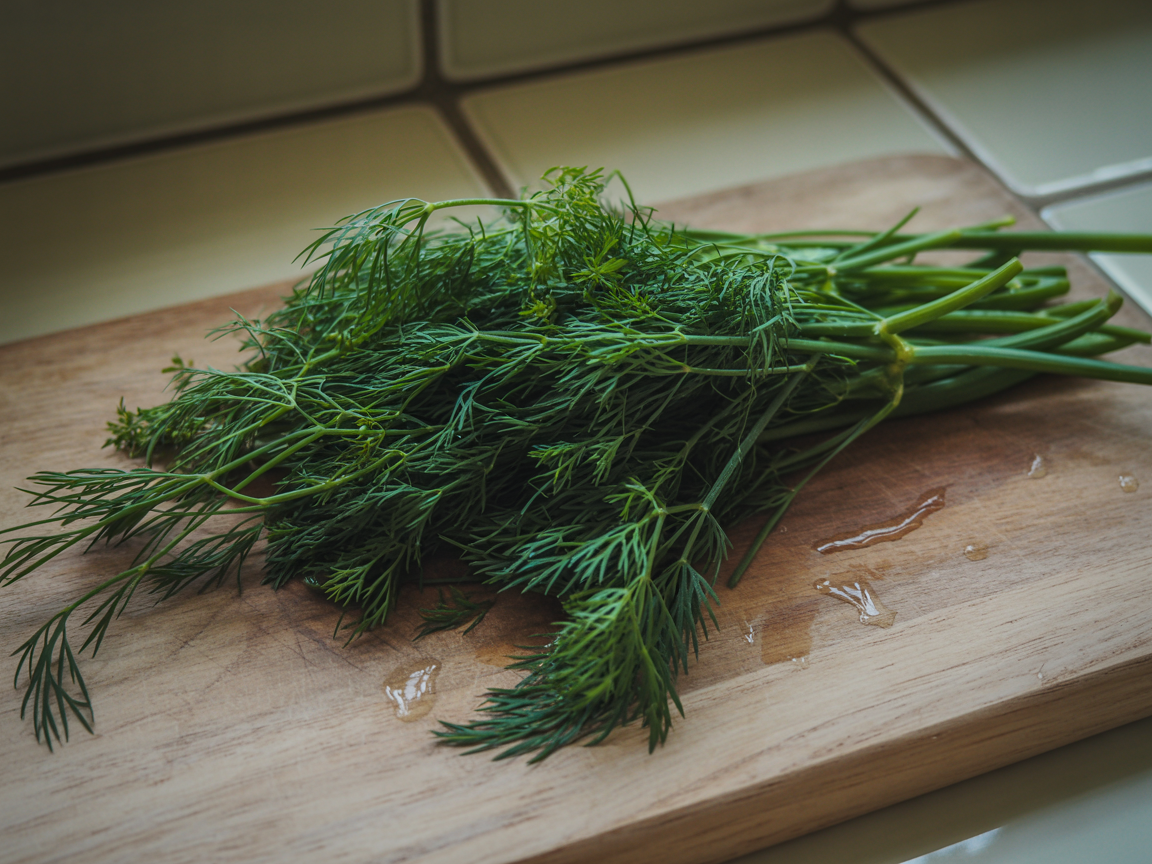
Fresh dill leaves bring a bright, grassy-anise flavor that can transform a simple dish into something truly special.
In a nutshell
Dill leaves — sometimes called dill weed — are the feathery fronds of the dill plant, with a delicate flavor that’s part grassy, part anise, and part citrus. They’re a workhorse in Scandinavian, Eastern European, and Middle Eastern kitchens, equally at home in a tangy cucumber salad or a rich salmon dish. Fresh dill is noticeably more vibrant than dried, so it’s worth seeking out when you can.
Nutrition
≈ 6 Calories and 0.1g fat per tablespoon.
Dill leaves are surprisingly nutrient-dense for an herb used in small amounts. They’re a meaningful source of vitamin C and vitamin A (from beta-carotene), both important antioxidants that support immune function and skin health. The herb also provides manganese and iron. Dill has been studied for its flavonoid compounds, particularly kaempferol, which may have anti-inflammatory properties. Its fiber content supports digestive health, and traditional herbalism has used dill for centuries as a gentle carminative — meaning it may help ease bloating and gas. Nutrition per 100g via Spoonacular.
Culinary uses & pairings
Fresh dill shines in cold and room-temperature applications where heat won’t mute its delicate flavor. Stir it into tzatziki, sour cream dips, and potato salads; toss it over sliced cucumbers with a splash of vinegar; or fold it into egg salad for brightness. It’s the defining herb in Scandinavian gravlax and pairs beautifully with smoked salmon on a bagel. Sprinkle generous amounts over borscht, lentil soup, or roasted beets just before serving.
In cooking, add dill toward the very end since prolonged heat strips its flavor quickly. It works wonderfully in fish en papillote, cream sauces for chicken, and braised vegetables. Dill is also essential in dill pickles — both fresh refrigerator pickles and traditional lacto-fermented ones — where it pairs with garlic and mustard seed to create that classic briny flavor. In Middle Eastern and Persian cooking, dill is used more boldly, stirred into rice dishes like dill rice with fava beans (baghali polo).
Pairs well with
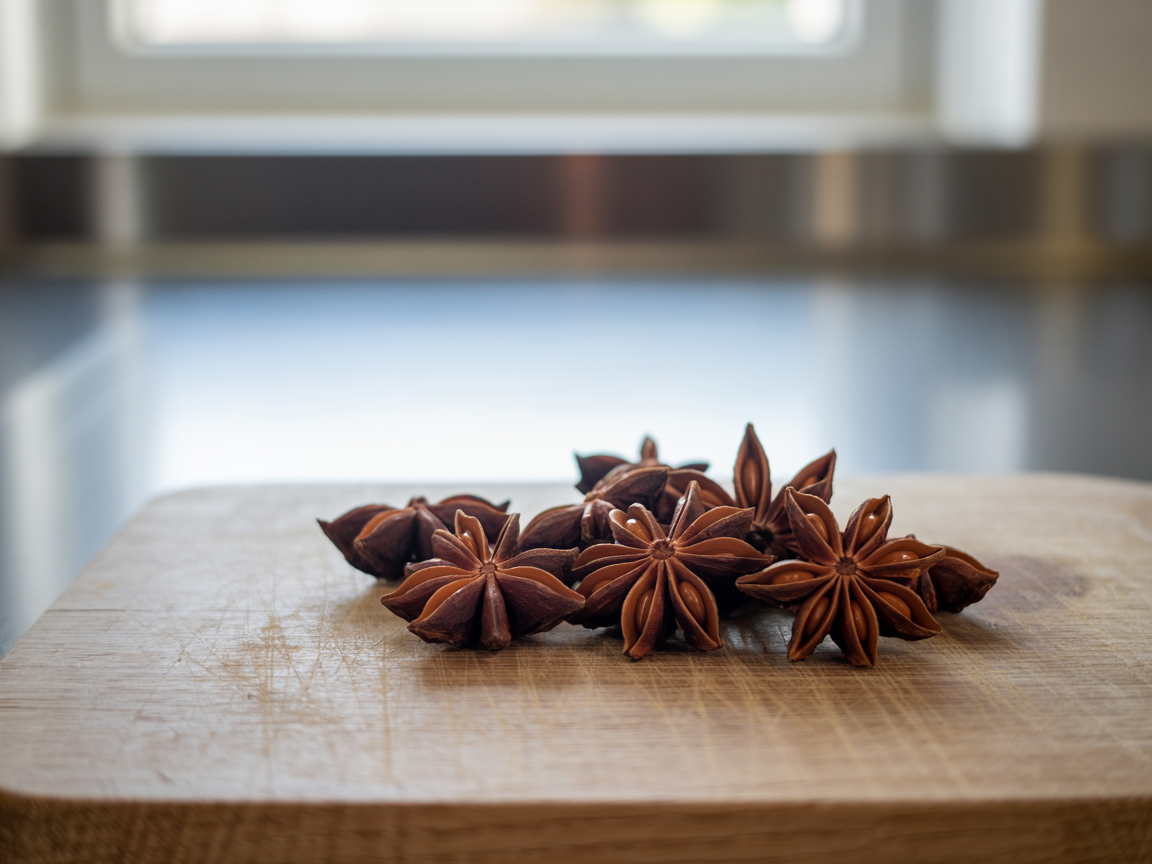
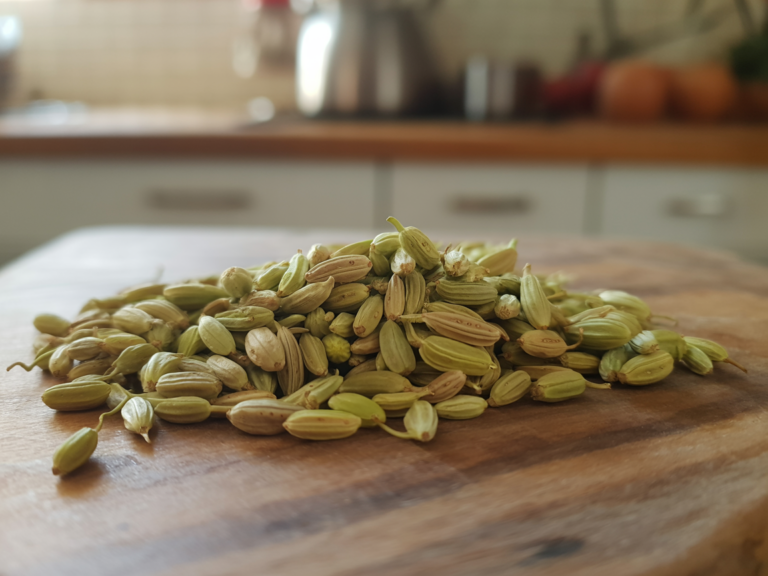
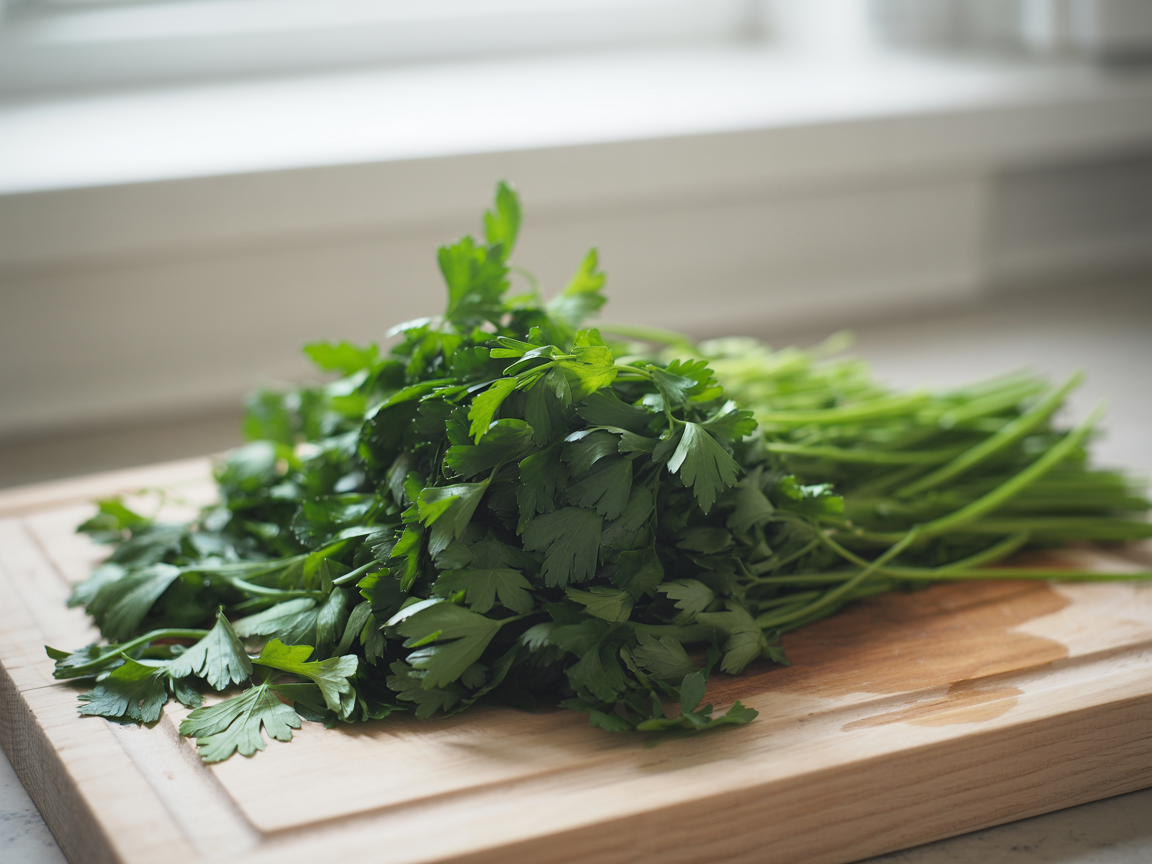
Substitutions
Buying & storage
Look for dill with bright green, feathery fronds that stand up firmly and smell strongly aromatic when you rub a frond between your fingers — that’s your best freshness test. Avoid bunches with yellowing tips, slimy stems, or a faded color, all signs the dill is past its prime. At the farmers’ market, dill is typically sold in generous bunches during summer; in the grocery store, you’ll usually find smaller clamshell packages in the fresh herb section. If you’re buying for pickling, look for dill with seed heads still attached, which add extra flavor to the brine.
Types
- Common Dill (Anethum graveolens): The standard variety sold in supermarkets and grown in most home gardens, with classic feathery fronds and a balanced grassy-anise flavor.
- Bouquet Dill: A popular garden variety grown primarily for its large, abundant seed heads — excellent for pickling — though the leaves are equally usable.
- Fernleaf Dill: A compact dwarf variety bred for container gardening that produces dense, flavorful fronds and is slow to bolt, making it a great choice for home cooks who want a steady supply of fresh leaves.
- Mammoth Dill: A tall, vigorous variety prized by commercial picklers for its large seed heads and prolific foliage; the leaves are flavorful but the plant bolts quickly in heat.
Cooking with dill leaves tonight?
Find dill leaves recipes that match your diet — keto, high-protein, vegan, under 30 minutes — and build a shopping list in one tap.
History & origin
Dill is one of the oldest cultivated herbs in recorded history, with evidence of its use stretching back more than 5,000 years to ancient Egypt and Mesopotamia, where it was valued as both a culinary herb and a medicinal plant. By the Middle Ages, dill had spread across Europe and was used to ward off witches as well as to flavor food — a dual purpose that speaks to how deeply it was woven into daily life. European settlers brought dill to North America in the 17th century, where it quickly became a staple in colonial kitchens and a defining element of the American pickle tradition.
How it’s made
Dill is an annual herb in the carrot family (Apiaceae) that grows quickly from seed in cool weather, reaching 2 to 4 feet tall in a single season. It’s a sun-loving plant that prefers well-drained soil and actually thrives with a little neglect — overwatering and over-fertilizing push it toward leafy growth at the expense of flavor. The feathery leaves are harvested by snipping fronds before the plant bolts and sends up its flat-topped yellow flower clusters called umbels. Once the plant flowers, leaf production slows and the foliage can become less flavorful, which is why gardeners often make succession plantings every few weeks through the growing season to keep a steady supply of fresh fronds. Commercial dill is grown on a large scale in the US, particularly in the Midwest and Pacific Northwest, where the cool growing conditions produce aromatic, high-quality leaves.
Good to know
- The word ‘dill’ is believed to derive from an Old Norse word dilla, possibly meaning ‘to soothe’ — a nod to its ancient use as a remedy for digestive complaints.
- Dill water (also called gripe water in some formulations) has been given to colicky babies for centuries and is still sold in some pharmacies today.
- Dill is one of the few herbs where both the leaves and the seeds are commonly used in cooking, though they taste noticeably different — seeds are warmer and more pungent, while leaves are fresher and more delicate.
- Dill pickles are among the most popular pickle styles in the US, making dill one of the most economically significant herbs in American food culture.
- Dill and fennel are close botanical relatives and can cross-pollinate if planted near each other, which is why experienced gardeners keep them well separated in the garden.