Santol
Santol is a sweet-tart tropical fruit that rewards adventurous home cooks with its juicy, cotton-textured flesh.
In a nutshell
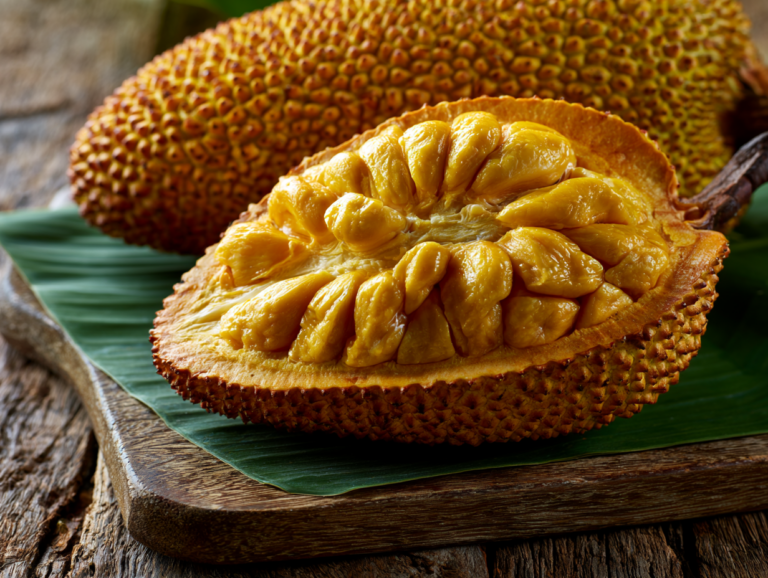
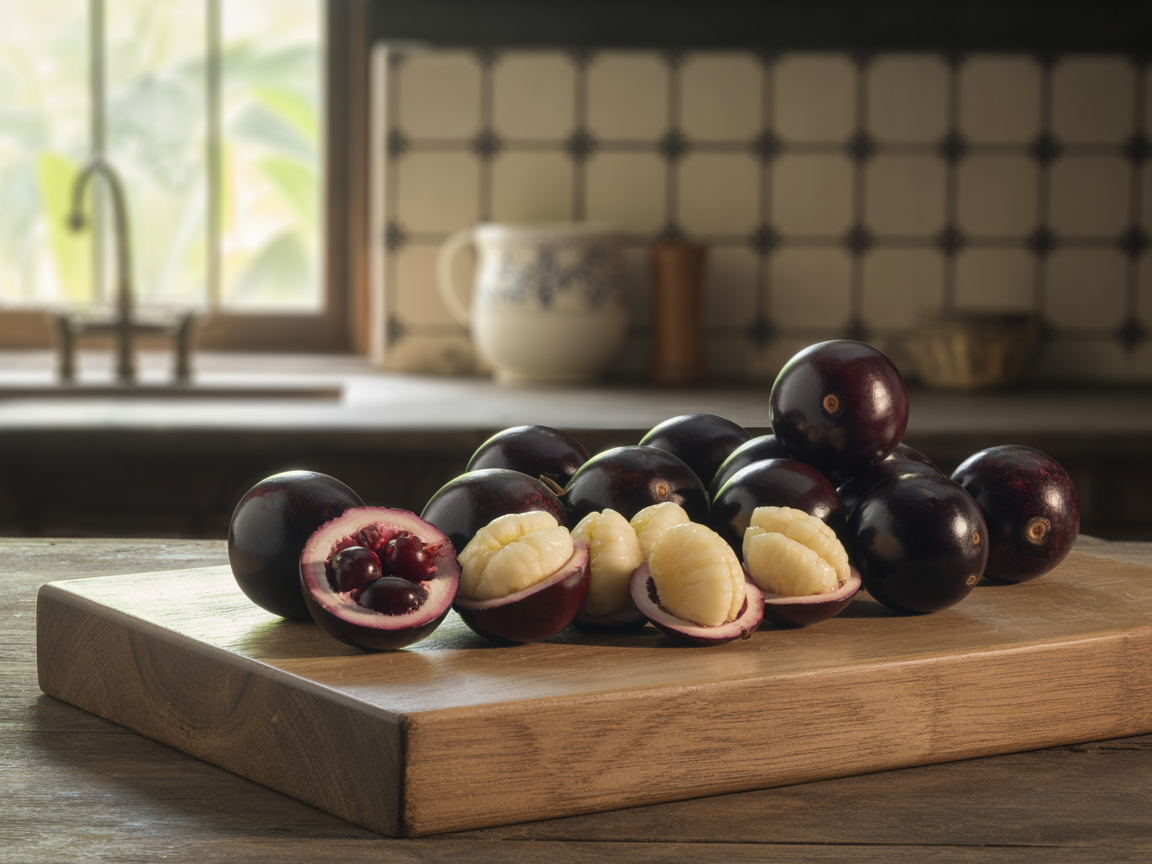
Santol is a Southeast Asian fruit with a thick, spongy rind and segmented flesh that ranges from sweet to sharply sour depending on variety. The edible inner pulp clings to large seeds and delivers a flavor somewhere between peach, apple, and lychee. It’s eaten fresh, pickled, candied, or cooked into sauces and curries across the Philippines, Thailand, and beyond.
Nutrition
Santol provides a modest amount of vitamin C, which supports immune function and skin health, along with small amounts of iron and calcium. Its pulp contains dietary fiber that aids digestion, and the fruit is relatively low in calories, making it a light, refreshing snack. Traditional herbal medicine in Southeast Asia has long used santol bark and roots for astringent and anti-inflammatory purposes, though culinary uses focus on the fruit itself. Nutrition per 100g via Spoonacular.
Culinary uses & pairings
Fresh santol is eaten out of hand by peeling back the thick rind and sucking the pulp from the seeds—seeds are not swallowed and should be spit out. The pulp can also be scooped out and added to fruit salads, fresh salsas, or tropical slaw for a tangy, juicy bite that contrasts well with creamy or rich ingredients.
Cooked santol shines in sweet-sour preparations: the Filipino dish ginataang santol simmers the grated rind and pulp in coconut milk with chili and ground pork for a savory-tangy stew. It also pickles beautifully, makes excellent preserves and candied fruit, and can be pureed into chutneys or dipping sauces that pair with grilled meats and seafood.
Pairs well with
Substitutions
Buying & storage
In the US, santol is most commonly found at Southeast Asian and Filipino grocery stores, either fresh (seasonally, roughly summer through early fall), jarred in syrup, or brined and pickled. When buying fresh, choose fruit that feels firm but yields just slightly to thumb pressure, with a pale yellow to yellowish-orange skin free of deep bruises or soft spots. Avoid fruit with cracked rinds or a fermented odor. Jarred or pickled santol is a reliable year-round alternative and works well in cooked dishes.
Varieties
- Sweet santol (Bangkok type): Larger fruit with thick, sweet, cotton-like pulp and a milder tartness; popular for eating fresh and making candied fruit.
- Sour santol (native type): Smaller, with sharply acidic pulp that holds up well in pickles, chutneys, and savory cooked dishes like ginataang santol.
Cooking with santol tonight?
Find santol recipes that match your diet — keto, high-protein, vegan, under 30 minutes — and build a shopping list in one tap.
History & origin
Santol (Sandoricum koetjape) is native to former Indochina and the Malay Peninsula, and has been cultivated throughout Southeast Asia for centuries. It was introduced to the Philippines during the Spanish colonial period and quickly naturalized, becoming a beloved backyard tree and market staple. The fruit appears in centuries-old folk medicine traditions across Thailand, Indonesia, and the Philippines, where the bark, roots, and leaves have been used as remedies alongside the edible fruit. Today santol remains a cultural touchstone in Filipino and Thai cuisine, and limited imports have introduced it to diaspora communities across the United States.
How it’s made
Santol grows on tall, fast-growing tropical trees that thrive in humid, lowland climates with well-drained soil and full sun. Trees are propagated by seed or grafting and begin bearing fruit within a few years of planting. The round fruits, roughly the size of a tennis ball, develop in clusters and ripen from green to pale yellow or yellow-orange over a growing season that peaks in summer. Harvesting is done by hand, often by climbing the tree or using long poles with baskets, since the fruit bruises easily. Once picked, santol is sorted for fresh sale or sent to processors who preserve it in brine, syrup, or vinegar for export and longer shelf life.
Good to know
- Santol seeds should not be chewed or swallowed—always spit them out when eating the fruit fresh. The seeds are considered inedible and a choking hazard, and some sources note potential toxicity if chewed.
- In the Philippines, santol is sometimes called the ‘cotton fruit’ because its inner pulp has a soft, fibrous, almost cottony texture.
- The thick rind, which most Western cooks discard, is actually the part most often cooked in Filipino savory dishes like ginataang santol.
- Santol trees can grow up to about 100 feet (30 meters) tall; claims of 150 feet are not reliably documented and likely overstated.
- Santol belongs to the mahogany family, Meliaceae—the same family as langsat (Lansium parasiticum), though langsat and longan are not closely related to each other, and longan belongs to the entirely separate soapberry family, Sapindaceae.