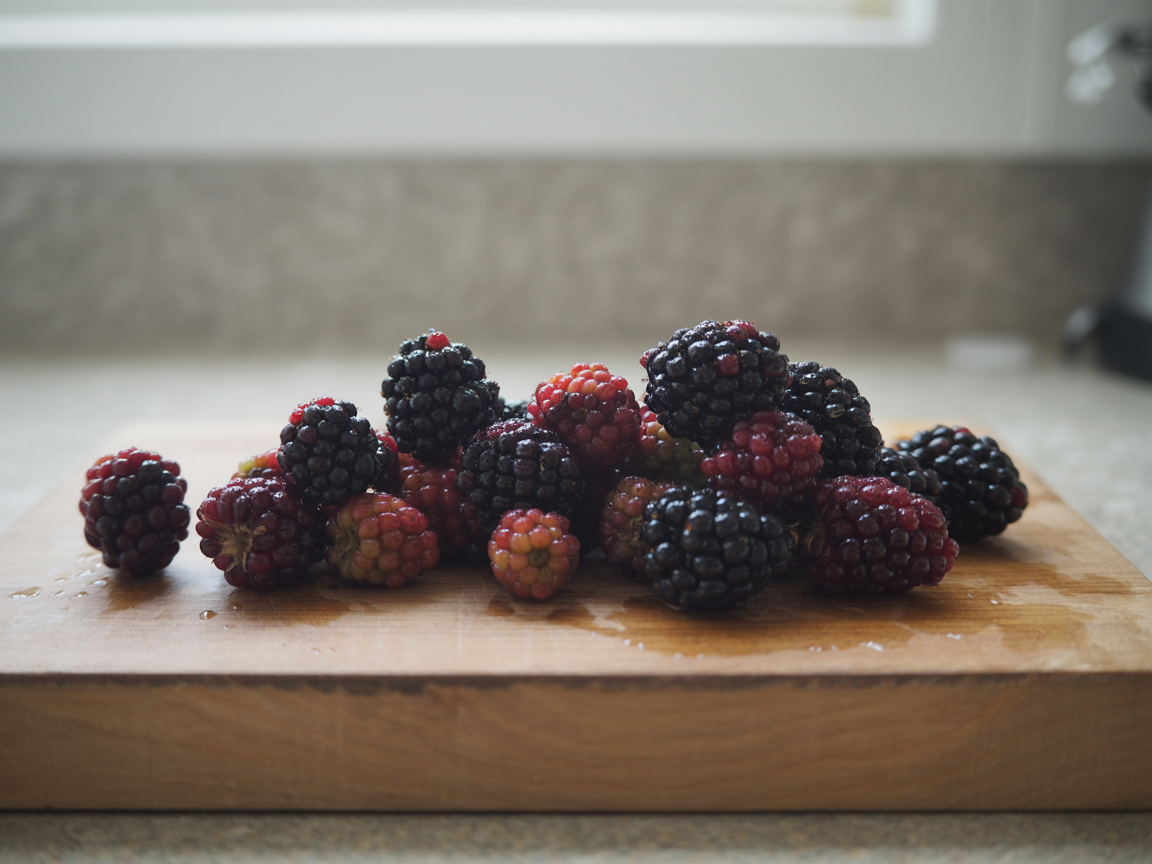
Strawberry
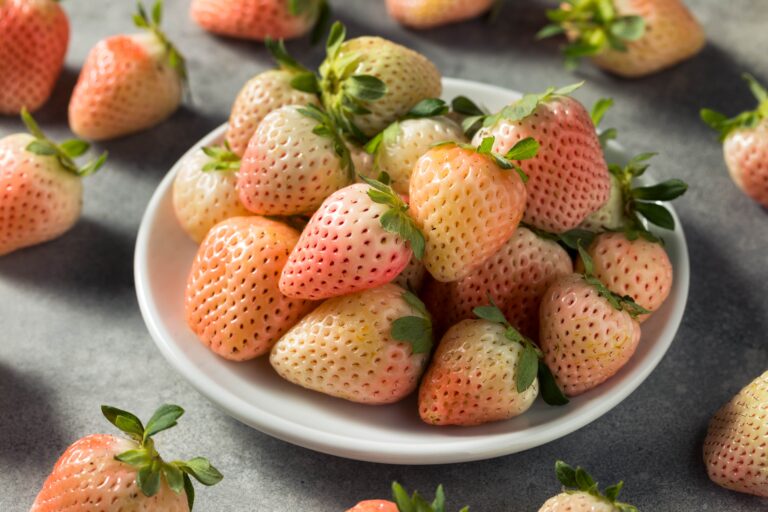
Fresh strawberries bring a burst of summer sweetness to everything from breakfast bowls to elegant desserts.
In a nutshell
Strawberries are the most popular berry in America, prized for their bright red color, juicy flesh, and balance of sweetness and tang. They shine raw but also cook beautifully into jams, sauces, and baked goods. At peak ripeness, a good strawberry needs nothing more than a rinse.
Nutrition
≈ 4 Calories and 0g fat per tablespoon.
Strawberries are surprisingly nutrient-dense for such a low-calorie fruit — a generous cup clocks in well under 50 calories while delivering a meaningful dose of vitamin C, often exceeding the daily recommended amount. They’re also a solid source of manganese and folate, and their modest fiber content supports digestive health. The deep red pigment comes from anthocyanins, potent antioxidants linked to heart health and reduced inflammation. Because nearly all of their carbohydrates come with fiber and water, strawberries have a low glycemic index, making them a smart choice for blood-sugar-conscious eaters. Nutrition per 100g via Spoonacular.
Culinary uses & pairings
Strawberries are endlessly versatile on the fresh side — slice them over oatmeal, fold them into yogurt parfaits, layer them in shortcake, or toss them into a salad with arugula and goat cheese. They pair naturally with cream in almost any form, from whipped cream to crème fraîche to ice cream, and their natural pectin content makes them one of the easiest fruits to turn into a quick refrigerator jam.
When heat is involved, strawberries concentrate their flavor and release gorgeous ruby juices. Roast them at 375°F (190°C) with a little sugar and balsamic vinegar for a versatile sauce, simmer them into compotes, or fold them into muffin and cake batters. They also blend smoothly into vinaigrettes, cocktails, and smoothies, and a quick maceration with sugar and lemon juice turns even mediocre berries into something special in about 20 minutes.
Pairs well with
Substitutions
Buying & storage
Look for berries that are fully red all the way to the tip with no white or green shoulders — unlike many fruits, strawberries don’t ripen further after picking. The cap and leaves should look fresh and bright green, not wilted or brown. Smaller berries often have more concentrated flavor than the oversized ones grown for appearance. Give the container a sniff: a genuinely ripe pint smells fragrant and sweet even through the packaging. Avoid cartons with crushed, leaking, or moldy berries, since spoilage spreads quickly.
Varieties
- June-bearing (Chandler, Camarosa): The classic commercial varieties common in supermarkets; large, firm, and sweet with peak season in late spring to early summer.
- Everbearing (Albion, Seascape): Produce multiple flushes of fruit from spring through fall; slightly smaller with excellent flavor, popular at farmers markets.
- Day-neutral: Similar to everbearing, these varieties fruit continuously regardless of day length and are well-suited to home gardens in mild climates.
- Wild strawberry (Fragaria vesca): Tiny but intensely flavored; rarely sold commercially but treasured at specialty markets and easy to grow as a garden ground cover.
Recipes using strawberry
75 recipes across our recipe sites use strawberry. A few favorites:
Cooking with strawberry tonight?
Find strawberry recipes that match your diet — keto, high-protein, vegan, under 30 minutes — and build a shopping list in one tap.
History & origin
Strawberries have been eaten wild across the Northern Hemisphere for thousands of years, and Indigenous peoples throughout North America used them in food and medicine long before European contact. The cultivated garden strawberry we know today, however, is a relatively modern creation — it emerged in 18th-century France when a Chilean species (Fragaria chiloensis), brought back by French naval officer Amédée-François Frézier in 1714, was planted near Virginia strawberries (Fragaria virginiana) that had already been introduced to Europe, and the two cross-pollinated to produce a hybrid with the size and flavor that made it an instant sensation. By the 19th century, rail transport allowed commercial growing to boom in the United States, and California eventually became the dominant producer, supplying the majority of fresh strawberries sold in the country today.
How it’s made
Strawberries are a low-growing perennial plant in the rose family, cultivated in raised beds or rows with careful attention to soil drainage and sunlight. Commercial growers in California and Florida plant in fall for a winter-to-spring harvest, often using plastic mulch to retain moisture and suppress weeds. The fruit develops from the plant’s flowers over roughly 30 days and is almost entirely hand-harvested because the berries bruise easily. Home gardeners can grow them in containers, raised beds, or in-ground patches, with runners producing new plants each season. Organic and conventional production both follow similar horticultural methods, with the main differences lying in pest and disease management.
Good to know
- A strawberry is technically not a botanical berry — it’s an accessory fruit, and those tiny yellow dots on the outside are the actual individual fruits (achenes).
- The United States produces roughly 3 billion pounds of strawberries per year, with California accounting for the large majority of the commercial crop.
- Strawberries are one of the most widely consumed fruits in the world and consistently rank among the top-selling fresh fruits in the United States.
- Ancient Romans used strawberries medicinally to treat everything from depression to fever, crediting them long before any nutritional science existed.
- A one-cup serving of strawberries contains about 85 to 90 mg of vitamin C — at or above the daily recommended amount for most adults.