Kiwi
Bright, tangy, and packed with vitamin C, kiwi is one of the most rewarding little fruits you can keep on your counter.
In a nutshell
Kiwi is a small, egg-shaped fruit with fuzzy brown skin, vivid emerald flesh, and a ring of tiny edible black seeds. It delivers a lively sweet-tart flavor that works beautifully in both sweet and savory cooking. One serving gives you more vitamin C than an orange, making it as nutritious as it is delicious.
Nutrition
≈ 8 Calories and 0.1g fat per tablespoon.
Kiwi punches well above its weight in the nutrition department. It’s one of the richest fruit sources of vitamin C, delivering well over the daily recommended amount in a single medium fruit, which supports immune function and collagen production. It also supplies a meaningful dose of vitamin K, important for blood clotting and bone health, along with vitamin E, a fat-soluble antioxidant that many diets fall short on. The 3 grams of dietary fiber per 100g support digestive health, and kiwi contains a natural enzyme called actinidin that may enhance protein digestion. With only about 61 calories per 100g and virtually no saturated fat, it’s a genuinely guilt-free choice. Nutrition per 100g via Spoonacular.
Culinary uses & pairings
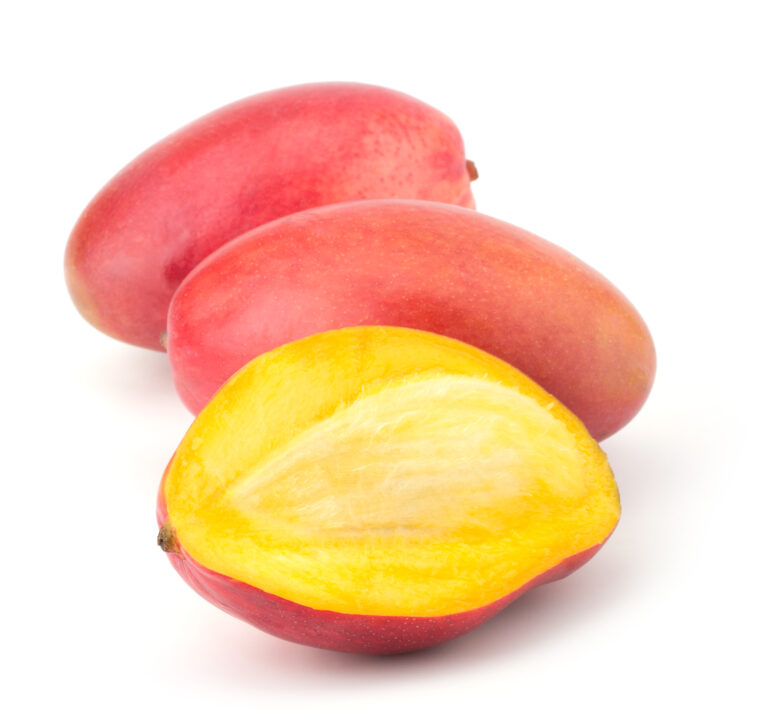
Kiwi shines in fresh preparations where its brilliant green color and tangy flavor can take center stage. Slice it onto yogurt parfaits, overnight oats, or pavlova, or dice it into a fruit salsa alongside mango and jalapeño for a bright topping on grilled fish or chicken. It’s a natural fit in smoothies, blended with spinach, banana, and coconut water for a nutrient-dense green drink.
In the kitchen, keep in mind that actinidin makes raw kiwi a handy meat tenderizer — just don’t marinate proteins for more than 30 minutes or the texture can turn mushy. Note that this same enzyme prevents gelatin-based desserts from setting properly, so cook or briefly heat kiwi before adding it to any gelatin dish. Gold kiwi varieties are sweeter and less acidic, making them a gentler choice for fresh desserts and cheese boards.
Pairs well with
Substitutions
Buying & storage
Look for kiwis that give slightly to gentle thumb pressure, similar to a ripe peach — that’s your sign they’re ready to eat. Avoid fruit with shriveled skin, soft spots, or an overly mushy feel. If the kiwis at the store are still firm, that’s perfectly fine; they ripen well on the counter at room temperature. Gold kiwis should have a fragrant, floral aroma at the stem end when ripe. Organic and conventional kiwis are both widely available, and because the fuzzy skin is typically peeled away before eating, pesticide exposure on the flesh tends to be low.
Varieties
- Green Kiwi (Hayward): The standard supermarket variety — tangy, slightly tart, with bright emerald flesh and the classic fuzzy brown skin.
- Gold Kiwi (Zespri SunGold): Sweeter and less acidic than green, with smooth bronze-yellow skin, yellow flesh, and a tropical, almost honey-like flavor.
- Kiwi Berry: Grape-sized, smooth-skinned, and edible whole — intensely sweet with concentrated kiwi flavor; great as a snack or garnish.
- Hardy Kiwi (Issai): A cold-tolerant variety grown in parts of North America with smooth, thin, edible skin and a sweet flavor similar to kiwi berry.
Recipes using kiwi
11 recipes across our recipe sites use kiwi. A few favorites:
Cooking with kiwi tonight?
Find kiwi recipes that match your diet — keto, high-protein, vegan, under 30 minutes — and build a shopping list in one tap.
History & origin
Kiwi originated in the forests of central and eastern China, where it grew wild and was known as yáng táo (Chinese gooseberry) for centuries. Western botanists documented the plant in the late 1800s, and seeds were introduced to New Zealand around 1904 by Mary Isabel Fraser, a school principal who brought them back from China. New Zealand horticulturists spent decades selecting and cultivating the best strains, eventually commercializing the fruit under the name ‘Chinese gooseberry.’ When New Zealand began exporting it to the United States in the late 1950s, American importers worried ‘Chinese gooseberry’ would face Cold War-era trade skepticism, so they rebranded it the kiwifruit after New Zealand’s iconic national bird. Today, China, Italy, New Zealand, and Chile are among the world’s top producers, and kiwi has become a staple in American grocery stores year-round.
How it’s made
Kiwi grows on vigorous, woody vines that require a sturdy trellis system and a frost-free growing season of at least 240 days. The plants are dioecious — meaning separate male and female vines are needed — and orchards typically include one male vine for every five to eight female vines to ensure pollination, often aided by managed honeybee hives. Vines take three to five years after planting to bear commercial quantities of fruit. The fuzzy green kiwi varieties are harvested in late fall (October through December in the Northern Hemisphere) when starch levels indicate maturity, even though the fruit is still firm. After harvest, kiwis are held in cold storage with controlled atmosphere technology, allowing them to be shipped globally and sold year-round.
Good to know
- A single green kiwi contains roughly twice the vitamin C of an orange by weight, making it one of the densest fruit sources of the nutrient.
- The skin of a kiwi is entirely edible — it’s a bit fuzzy and tart, but eating it boosts fiber intake significantly compared to peeling.
- Kiwi contains actinidin, a proteolytic enzyme that breaks down proteins, which is why raw kiwi will prevent gelatin from setting or over-tenderize meat in a long marinade.
- New Zealand didn’t cultivate the kiwi first — it was grown in China for centuries before seeds were introduced to New Zealand in the early 1900s.
- The kiwi vine belongs to the genus Actinidia, which also includes ornamental species sold as landscape plants, and some backyard gardeners in USDA zones 7 and above can successfully grow their own fruit-bearing vines.