Pheasant
Pheasant brings a rich, gamey elegance to the table that feels special without being fussy.
In a nutshell
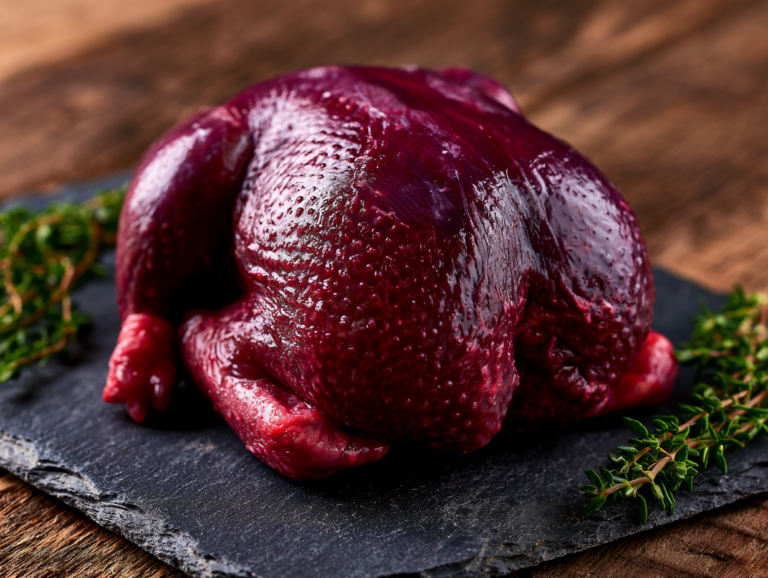
Pheasant is a lean, flavorful game bird with tender breast meat and richly flavored dark meat. It cooks faster than chicken and dries out easily, so low-and-slow methods or quick high-heat finishes work best. Farm-raised birds are milder and more forgiving; wild-harvested birds deliver a deeper, earthier flavor.
Nutrition
≈ 21 Calories and 1.1g fat per tablespoon.
Pheasant is a genuinely lean source of complete protein, delivering roughly 19.5 grams per 100-gram serving with a fat profile that leans toward unsaturated fats. The saturated fat content is notably lower than skin-on chicken thighs, making it a smart swap for cooks who want richness without excess. Its sodium is naturally very low, and it provides meaningful amounts of B vitamins — particularly niacin and B6 — which support energy metabolism, along with zinc and selenium for immune and antioxidant function. Nutrition per 100g via Spoonacular.
Culinary uses & pairings
Pheasant breast is best treated like a delicate boneless chicken breast but with a shorter window before it dries out — searing in butter and finishing in the oven at 375°F (190°C) to an internal temp of 165°F (74°C) keeps it juicy. Wrapping the breast in bacon or pancetta is a classic trick that bastes the meat as it cooks and adds savory fat the bird naturally lacks.
The legs and thighs reward patience: braising in wine, stock, or cider for 1½ to 2 hours breaks down the tougher connective tissue and produces fall-off-the-bone meat with a deeply savory cooking liquid that doubles as a sauce. Whole roasted pheasant is a showpiece dish for the holidays, especially when stuffed with aromatic herbs and roasted over a bed of root vegetables.
Pairs well with
Substitutions
Buying & storage
Look for farm-raised pheasant at specialty butchers, farmers markets, or online game meat retailers, especially from October through February when wild birds are in season. Farm-raised birds typically weigh 2 to 3 pounds (about 1 to 1.4 kg) dressed, have pale pinkish flesh, and carry a mild, clean scent — avoid any bird with a sour or off smell. Wild-harvested pheasant will have darker, firmer flesh and a more pronounced aroma, which is completely normal and desirable for the flavor. If buying frozen, make sure the packaging is airtight with no signs of freezer burn.
Types
- Farm-Raised Pheasant: Milder in flavor and more tender than wild birds, with a consistent size and fat content that makes them more forgiving to cook; the most widely available option for home cooks.
- Wild-Harvested Pheasant: Leaner, darker, and more intensely flavored from a life of foraging; the flesh can be tougher and benefits greatly from aging (hanging) before cooking to tenderize and deepen flavor.
- Ring-Necked Pheasant: The most common species found in North America, introduced from Asia; this is the bird you’ll encounter at market and in the field across the Midwest and Great Plains.
Recipes
We do not have recipes featuring Pheasant in our collection just yet — but you can discover thousands of recipes, filtered to your diet and your pantry, over at Tucker Finder.
Cooking with pheasant tonight?
Find pheasant recipes that match your diet — keto, high-protein, vegan, under 30 minutes — and build a shopping list in one tap.
History & origin
The ring-necked pheasant is native to Asia, where it has been hunted and eaten for thousands of years, and was introduced to Europe in antiquity — likely by the ancient Greeks and Romans, who helped spread it westward across the continent. It arrived in North America in the late 19th century, with a well-documented successful release in Oregon’s Willamette Valley in 1881, and spread rapidly across the continent. For much of American and European culinary history, pheasant was a prestige bird associated with aristocratic hunting estates and formal banquets. The rise of game farming through the 20th century made it gradually more accessible to home cooks, and today it occupies a comfortable niche between everyday poultry and true wild game on American tables.
How it’s made
Farm-raised pheasants are typically hatched in incubators and raised in open-range or semi-free-range environments for roughly 16 to 20 weeks before processing, which allows them to develop more flavor than a standard broiler chicken while remaining more manageable than fully wild birds. They are fed grain-based diets and encouraged to forage, which contributes to their firmer muscle texture and more complex flavor. Wild pheasants are hunted during regulated seasons — primarily fall and early winter in the US — and are often hung (dry-aged in a cool environment) for several days after harvest to allow enzymes to tenderize the meat and develop deeper flavor before they are plucked and dressed.
Good to know
- A male pheasant is called a cock and a female a hen; hens are smaller and generally considered more tender for the table.
- Pheasant was a prized bird at medieval European feasts, where it was sometimes served ‘re-dressed’ in its own feathers as a dramatic presentation piece.
- South Dakota is the undisputed pheasant capital of the United States, drawing hundreds of thousands of hunters each fall and producing a significant portion of the country’s wild harvest.
- Because pheasant is so lean, classic French and British recipes almost always call for larding or barding — threading fat through the meat or wrapping it in fat — to prevent drying out during cooking.
- Unlike chicken, pheasant bones are noticeably harder and denser, which produces a deeply rich, gelatinous stock ideal for sauces and braises.