Capybara
The world’s largest rodent is a rare, rich wild game that adventurous home cooks are just beginning to explore.
In a nutshell
Capybara is a semi-aquatic South American rodent prized as a lean, dark wild game meat with a flavor somewhere between pork and beef. It has deep cultural roots in Venezuela and Brazil, where it is traditionally eaten during Lent. In the US it remains extremely rare, found mainly through specialty exotic meat suppliers.
Nutrition
Capybara meat is notably lean and high in protein, making it a nutrient-dense option compared to many conventional meats. It delivers a solid profile of B vitamins — particularly B12 and niacin — that support energy metabolism and nerve health, along with meaningful amounts of iron and zinc, which are typical of dark game meats. Because the animal is wild or semi-wild and grazes on grasses and aquatic plants, its fat tends to be lower in saturated fat relative to grain-fed livestock, though exact composition varies by individual animal and season. Nutrition per 100g via Spoonacular.
Culinary uses & pairings
Capybara benefits enormously from low-and-slow moist-heat cooking. Traditional Venezuelan preparations simmer the meat for hours in sofrito-seasoned broths, producing tender pulled-meat dishes similar to carnitas or barbacoa. Brazilian cooks often marinate it overnight in citrus and garlic before braising or stewing with root vegetables. Because the meat can carry a mild gamey or fishy note — especially from animals living near water — a long soak in salted water or a citrus marinade before cooking is strongly recommended.
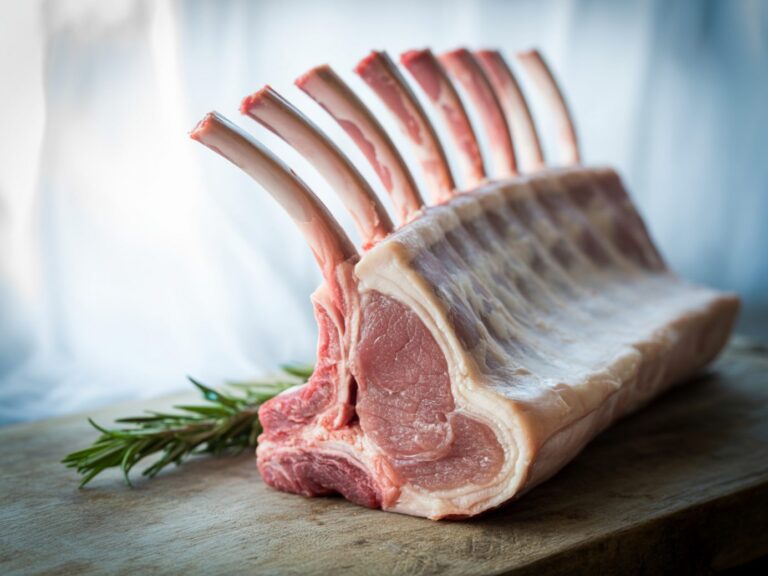
For those who source well-cleaned, properly butchered cuts, capybara can also be grilled or roasted over hardwood charcoal. Thinner cuts like loin respond well to direct high heat (around 450 °F / 230 °C) with a simple salt-and-pepper crust, rested thoroughly before slicing. Fattier shoulder cuts are best cubed and used in slow-cooked stews or rice dishes inspired by Venezuelan pabellón.
Pairs well with
Substitutions
Buying & storage
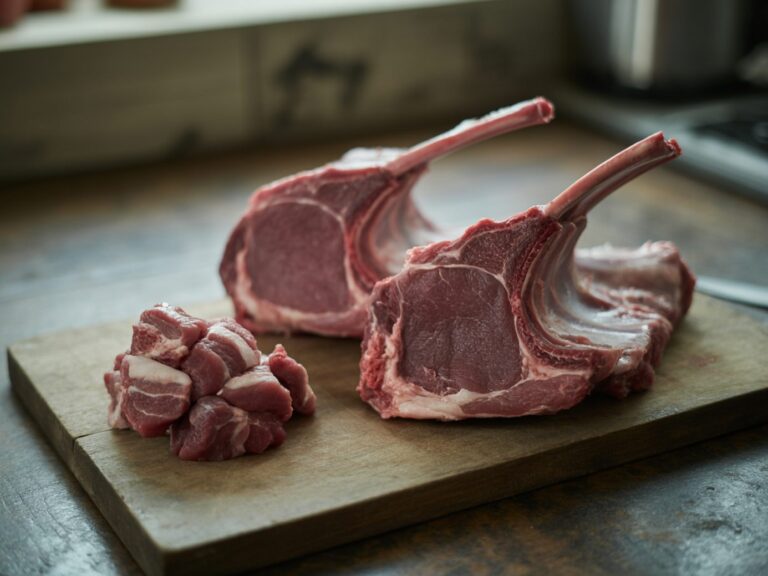
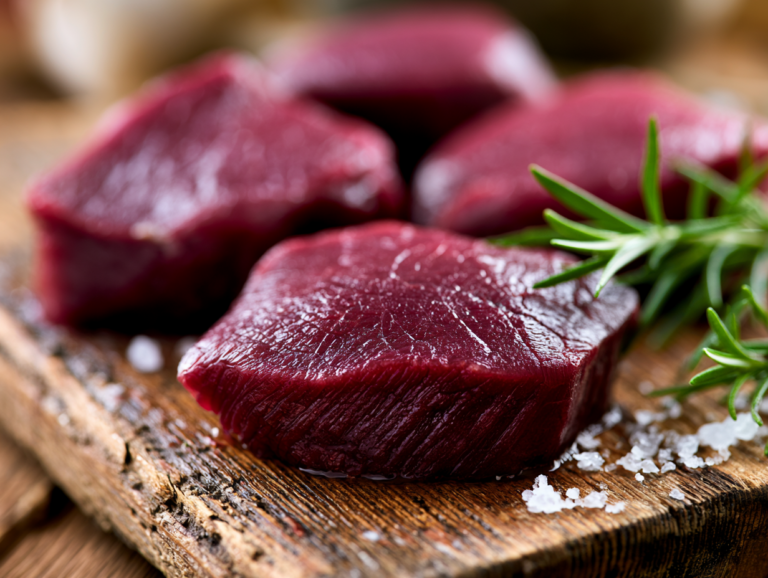
In the US, capybara meat is not available in conventional grocery stores and must be sourced through licensed exotic meat retailers or specialty online suppliers who work with USDA-inspected processors. When ordering, look for cuts that are deep red to burgundy in color with minimal gray or brown tones, which can indicate age. Ask your supplier whether the animal was farm-raised or wild-harvested, as farm-raised tends to have a milder, more consistent flavor. Always confirm the supplier holds appropriate state and federal permits, since regulations on exotic game sales vary significantly by state.
Cooking with capybara tonight?
Find capybara recipes that match your diet — keto, high-protein, vegan, under 30 minutes — and build a shopping list in one tap.
History & origin
Capybara (Hydrochoerus hydrochaeris) has been hunted and eaten by indigenous peoples across South America for thousands of years, from the Amazon basin to the Venezuelan llanos. Its most famous culinary footnote dates to the 17th century, when Spanish Catholic missionaries in Venezuela petitioned Rome to classify the capybara as a fish — apparently on the basis of its semi-aquatic lifestyle — thereby permitting its consumption during Lent when meat was forbidden. That ruling, however apocryphal its details may be, took hold in Venezuelan culture and capybara became a Lenten staple that persists to this day. In Brazil it is called capivara and is eaten in rural communities, though commercial sale is regulated. Export to the US is niche and largely limited to licensed exotic meat channels.
How it’s made
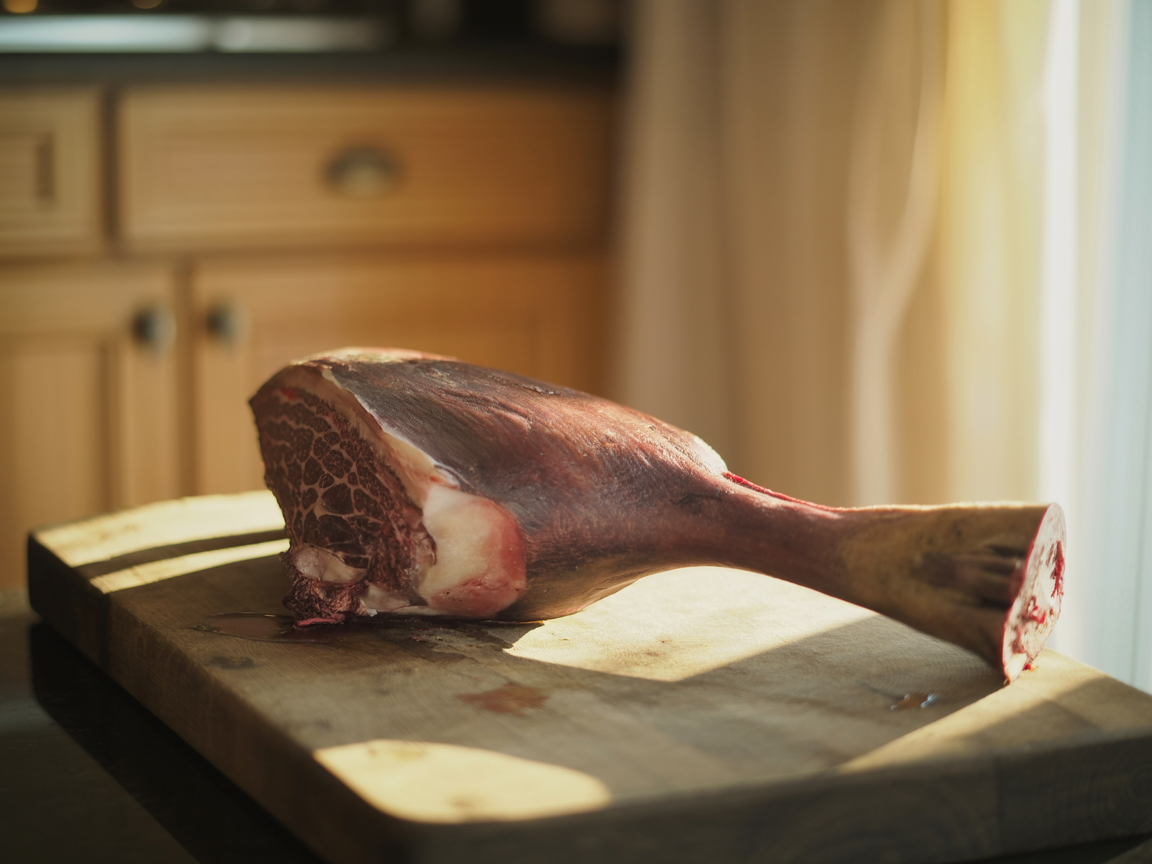
In South America, capybara is obtained either through regulated wild harvest — particularly in Venezuela, where annual culls on private ranches (hatos) are government-supervised — or through small-scale farming operations. The animals are grazed on open pastures near water and are typically harvested when mature, reaching weights of roughly 75 to 150 pounds (34 to 68 kg). Processing mirrors standard livestock slaughter: the animal is stunned, bled, skinned, eviscerated, and broken into primal cuts. Because of the animal’s thick skin and subcutaneous fat layer, careful trimming during butchering is important to reduce any strong odor in the final meat. US-sold capybara must pass through USDA-inspected facilities.
Good to know
- Capybaras are the largest rodents on Earth, capable of reaching 150 pounds (68 kg) or more in the wild.
- Their semi-aquatic lifestyle means they can hold their breath for up to 5 minutes underwater, and their webbed feet make them strong swimmers.
- In Venezuela, capybara is known as chigüire and smoked or dried preparations are a regional tradition, particularly around Lent.
- Capybaras are highly social animals that live in groups typically of 10 to 20 individuals, which makes them relatively manageable for ranch-style herding in their native habitat.
- The meat was a protein staple for indigenous Amazonian communities long before European contact, often roasted over open fires.