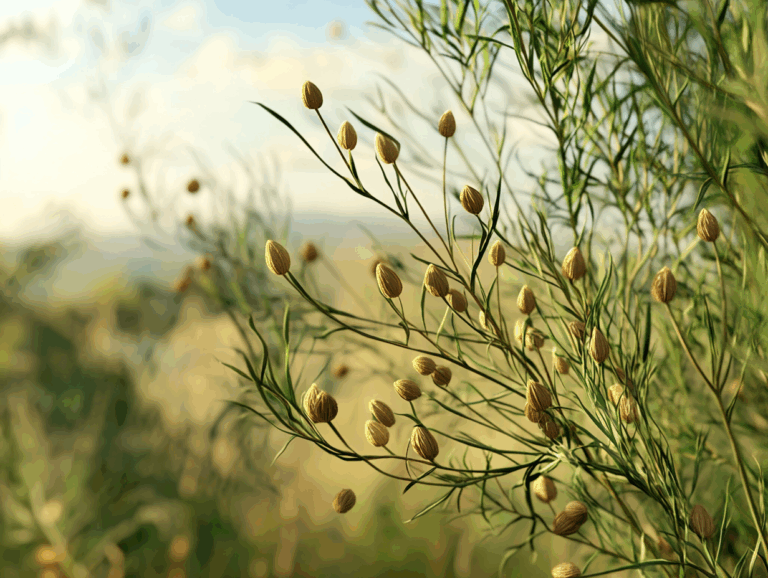
Marjoram
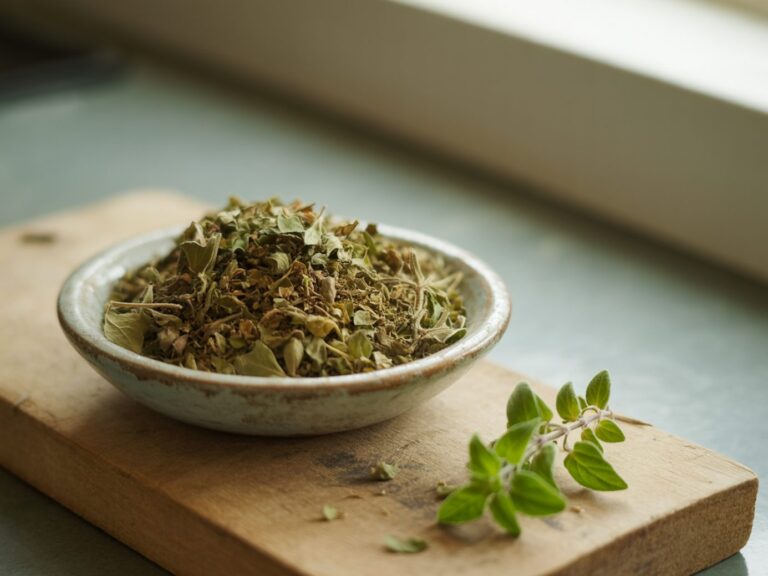
Marjoram is the gentle, sweet cousin of oregano that adds warmth and floral depth to everyday cooking.
In a nutshell
Marjoram is a fragrant Mediterranean herb with a mild, slightly sweet flavor that sits somewhere between oregano and thyme. It’s a staple in European and Middle Eastern kitchens, especially in sausages, herb blends, and roasted dishes. Because its delicate oils fade with heat, it shines brightest when added near the end of cooking.
Nutrition
≈ 37 Calories and 0.9g fat per tablespoon.
Though marjoram is used in small amounts, its nutritional profile is surprisingly impressive for a dried herb. It delivers a notable hit of dietary fiber and provides plant-based protein in modest quantities. The fat content includes polyunsaturated and monounsaturated fatty acids. Marjoram is also a source of antioxidant compounds, particularly rosmarinic acid and flavonoids, which have been studied for their anti-inflammatory properties. Its relatively low sodium content makes it a smart tool for flavoring food without adding salt. Nutrition per 100g via Spoonacular.
Culinary uses & pairings
In the kitchen, marjoram does some of its best work with poultry, pork, and lamb. It’s a classic addition to sausage blends, stuffings, and meatloaf, where its sweet, slightly citrusy warmth balances rich, fatty cuts. It’s equally at home stirred into bean soups, lentil dishes, or a simple vinaigrette. Because heat dulls its flavor fast, stir dried marjoram in during the last few minutes of cooking and use fresh leaves as a finishing herb.
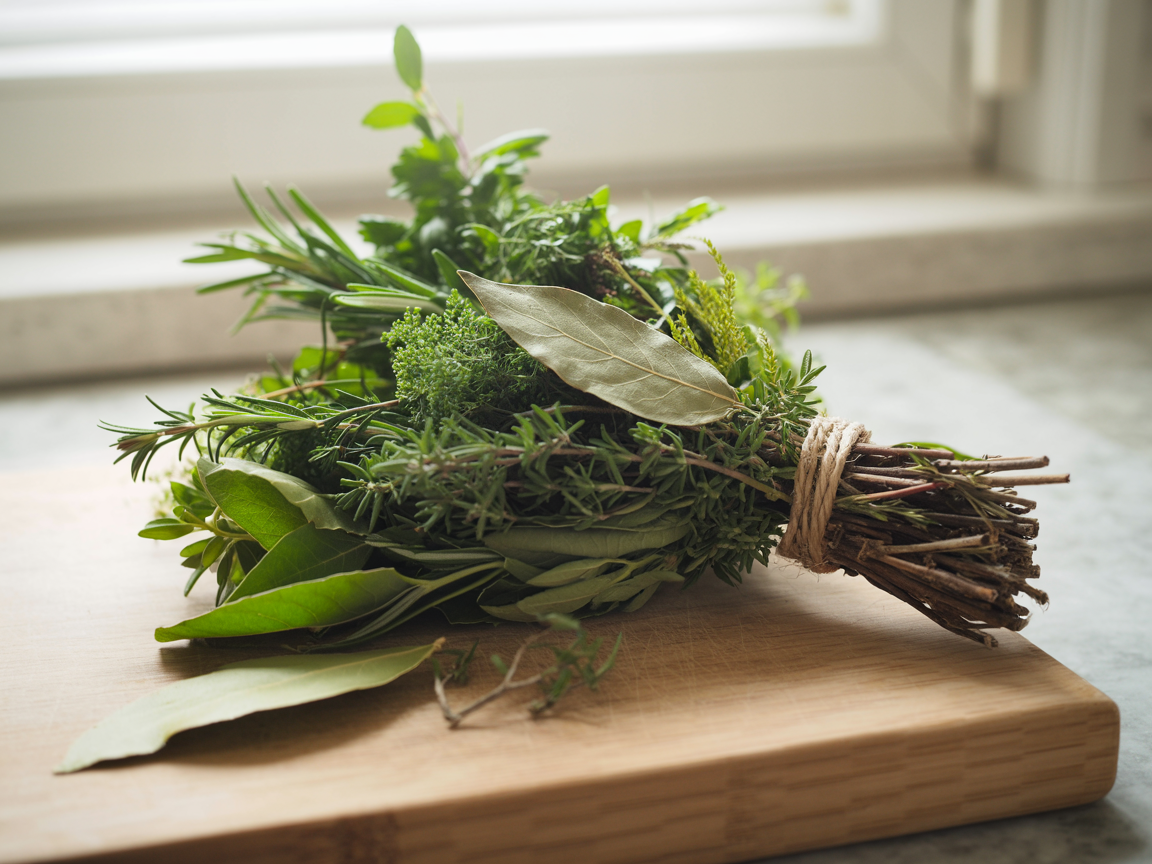
Marjoram is a key player in classic spice blends like herbes de Provence and za’atar, where it contributes sweetness to balance earthier herbs. It pairs beautifully with eggs — try it in a frittata or scrambled eggs with goat cheese. It also brightens tomato sauces, vegetable gratins, and roasted root vegetables without the assertive punch that oregano can bring.
Pairs well with
Substitutions
Buying & storage
When buying fresh marjoram, look for bright, unblemished leaves with no yellowing or sliminess — the stems should be firm and the scent should be clearly sweet and floral when you rub a leaf. For dried marjoram, choose a brand with good turnover and check that the color is a healthy muted green rather than dusty gray, which signals the herbs have lost their oils. Avoid large bulk bins where dried herbs can sit for months. Buy in small quantities and replace your jar at least once a year.
Varieties
- Sweet Marjoram (Origanum majorana): The most common culinary variety, prized for its mild, sweet, and slightly floral flavor. This is what you’ll find at most grocery stores.
- Pot Marjoram (Origanum onites): Hardier and more cold-tolerant than sweet marjoram, with a slightly stronger, more oregano-like bite. Common in Greek cooking.
- Wild Marjoram: Another name often used for oregano (Origanum vulgare), which is closely related but markedly more pungent and less sweet.
Recipes using marjoram
9 recipes across our recipe sites use marjoram. A few favorites:
Cooking with marjoram tonight?
Find marjoram recipes that match your diet — keto, high-protein, vegan, under 30 minutes — and build a shopping list in one tap.
History & origin
Marjoram has been cherished since antiquity, with its roots in the eastern Mediterranean and western Asia. Ancient Greeks and Romans associated it with happiness and love — brides and grooms wore garlands of it at weddings, and it was planted on graves to bring peace to the departed. It traveled through medieval European monasteries, where monks cultivated it in herb gardens for both culinary and medicinal purposes. By the Renaissance, it had become a kitchen staple across the continent, especially in German, French, and British cooking, and it eventually arrived in the Americas with European settlers.
How it’s made
Marjoram is a tender perennial herb typically grown as an annual in cooler climates. It’s cultivated from seeds or cuttings in well-drained soil with full sun and thrives in warm, dry conditions similar to its native Mediterranean habitat. For the fresh herb market, it’s harvested by hand just before or during early flowering, when the concentration of aromatic oils in the leaves peaks. For the dried herb trade, cut stems are bundled and either air-dried in warm, ventilated spaces or gently dried in commercial dehydrators at low temperatures to preserve the essential oils responsible for its characteristic sweet, floral scent.
Good to know
- Marjoram and oregano are so closely related that marjoram’s scientific name, Origanum majorana, places it squarely in the oregano genus.
- The herb’s essential oil, marjoram oil, is used in aromatherapy and has been traditionally used as a warming massage oil for muscle aches.
- Germany is one of the largest producers of marjoram in the world, and the herb is practically synonymous with German sausage-making traditions.
- Marjoram was historically used as a strewing herb — spread on floors to scent indoor spaces in medieval households.
- Marjoram is a key ingredient in za’atar, the beloved Middle Eastern spice blend that also includes sumac, sesame seeds, and salt.