Caraway
Caraway’s warm, anise-like bite is the secret backbone of rye bread, sauerkraut, and countless Central European classics.
In a nutshell
Caraway is a seed-like fruit from a plant in the carrot family, prized for its distinctly earthy, slightly sweet, and licorice-tinged flavor. It’s a cornerstone spice in German, Eastern European, and Scandinavian cooking. You’ll find it in rye bread, pork roasts, cabbage dishes, and aromatic liqueurs like aquavit.
Nutrition
≈ 45 Calories and 2g fat per tablespoon.
Caraway punches well above its weight nutritionally for a spice used in small amounts. It delivers an impressive amount of dietary fiber, which supports digestive health — particularly fitting since caraway has been used for centuries as a traditional remedy for bloating and gas. It provides meaningful plant-based protein and heart-friendly monounsaturated fats. Caraway is also a source of iron, magnesium, and calcium, along with antioxidant compounds like carvone and limonene, the volatile oils responsible for both its signature aroma and many of its studied digestive benefits. Nutrition per 100g via Spoonacular.
Culinary uses & pairings
Caraway is most at home in baked goods and bread — a handful of seeds stirred into rye or sourdough dough is practically tradition. It’s equally valuable in braised meats, particularly pork and lamb, where it cuts through richness and perfumes the braising liquid. Toss seeds into sautéed cabbage, stir them into sauerkraut, or add them to a pot of lentil soup for an earthy, warming depth.
Beyond savory cooking, caraway works beautifully in cheese rinds and soft spreadable cheeses, and it’s the defining flavor in aquavit and kümmel liqueur. Ground caraway can season spice rubs, harissa, or North African spice blends like tabil. A light dry-toast in a skillet before using awakens its essential oils and noticeably sharpens the flavor.
Pairs well with
Substitutions
Buying & storage
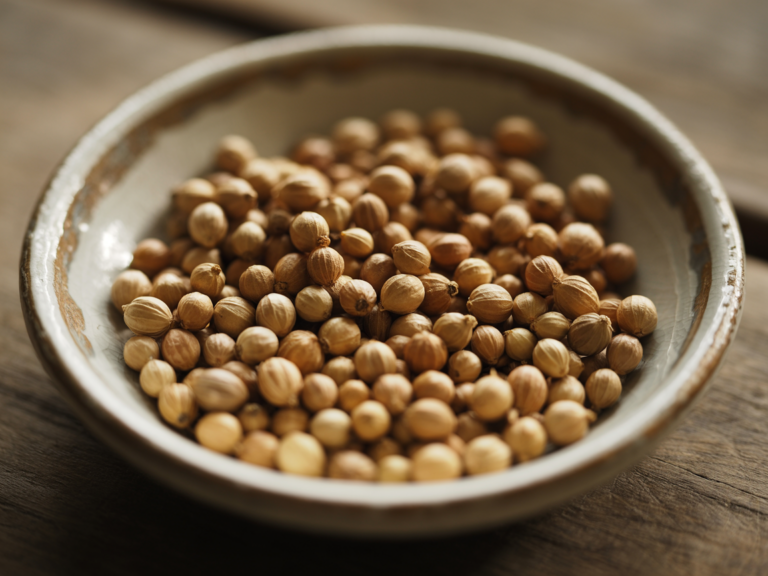
Look for whole caraway seeds rather than pre-ground — whole seeds retain their volatile oils far longer and grind easily as needed. Good seeds should be plump, uniformly brown, and have a clean, sharp aroma when you crush one between your fingers; a dull or musty smell means the batch is stale. Bulk bins at spice shops often offer fresher stock than jarred supermarket versions that may have sat on shelves for months. Buy in small quantities — a few ounces (55–85g) at a time — so you’re always working with aromatic, flavorful seeds.
Types
- Whole seeds: The standard form in US grocery stores; best for bread baking, pickling, and dishes where texture is welcome.
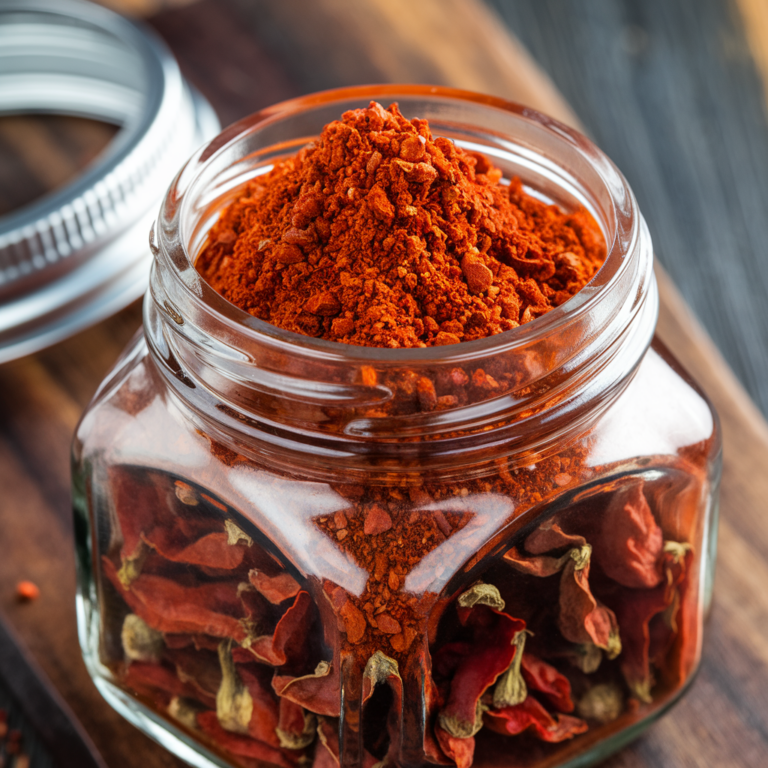
- Ground caraway: Convenient for spice rubs and spice blends like tabil, but goes stale quickly — grind your own from whole seeds when possible.
- Caraway essential oil: A concentrated extract used in liqueur production (aquavit, kümmel) and some medicinal applications; not a typical cooking ingredient.
Recipes using caraway
1 recipes across our recipe sites use caraway. A few favorites:
Cooking with caraway tonight?
Find caraway recipes that match your diet — keto, high-protein, vegan, under 30 minutes — and build a shopping list in one tap.
History & origin
Caraway is one of the oldest cultivated spices in the world, with seeds discovered at Mesolithic and Neolithic sites in Europe dating back several thousand years. Ancient Egyptians used it, and Roman cooks valued it widely — the physician Dioscorides praised it for aiding digestion. Through the Middle Ages it became a staple of Germanic and Central European kitchens, flavoring everything from bread and cheese to medicinal cordials. Its role in aquavit and kümmel cemented its identity across Scandinavia and Central Europe, and it arrived in North America with European settlers, where it remains most familiar as the distinctive flavor of classic deli rye bread.
How it’s made
Caraway comes from Carum carvi, a biennial plant in the Apiaceae (carrot) family. In its first year the plant produces only foliage; in the second year it flowers and sets the small, curved, ridged fruit that we call seeds (botanically they are schizocarps that split into two mericarps). Plants are grown in cool climates — the Netherlands, Finland, Germany, Scandinavia, and parts of Eastern Europe are major producers. The fruits are harvested in midsummer when the seeds are ripe but before they shatter and fall, typically by cutting the whole plant and allowing it to dry. The dried plants are then threshed to separate the seeds, which are cleaned, sorted, and either packaged whole or steam-distilled for essential oil.
Good to know
- The dominant flavor compound in caraway is carvone, the same molecule found in spearmint — yet the two taste nothing alike because caraway’s carvone is the mirror-image (enantiomer) of spearmint’s carvone.
- Caraway is the defining flavor of aquavit, the Scandinavian spirit, and of kümmel, a liqueur whose name is simply the German word for caraway.
- Medieval Europeans baked caraway seeds into cakes and breads, and folklore held that the spice could prevent theft — including the theft of a sweetheart’s affections.
- Despite being called a seed, what you’re actually using is a dried fruit: each tiny ridged piece is half of a small two-chambered fruit from the caraway plant.
- Caraway has been used as a traditional digestive remedy for centuries, and modern studies have found its essential oil can relax smooth muscle in the gastrointestinal tract, supporting its reputation for easing bloating.