Masa Harina
Masa harina is the soul of Mexican cooking — a finely ground nixtamalized corn flour that makes authentic tortillas a reality at home.
In a nutshell
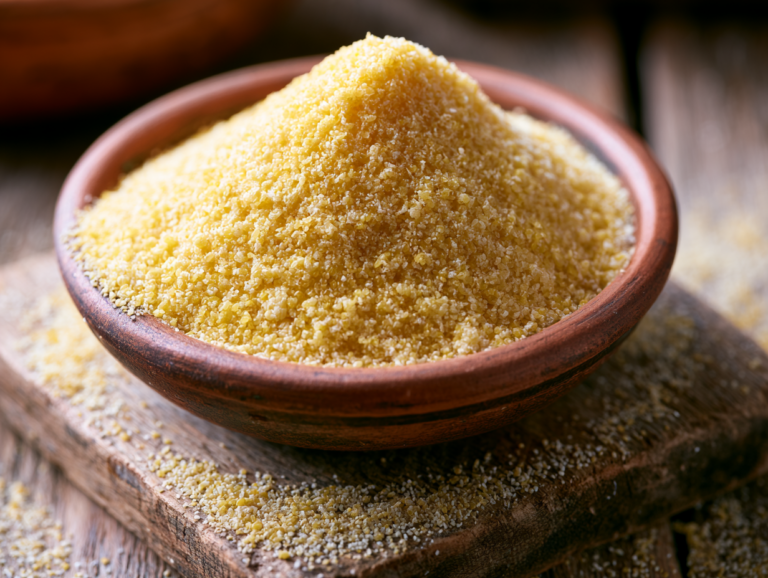
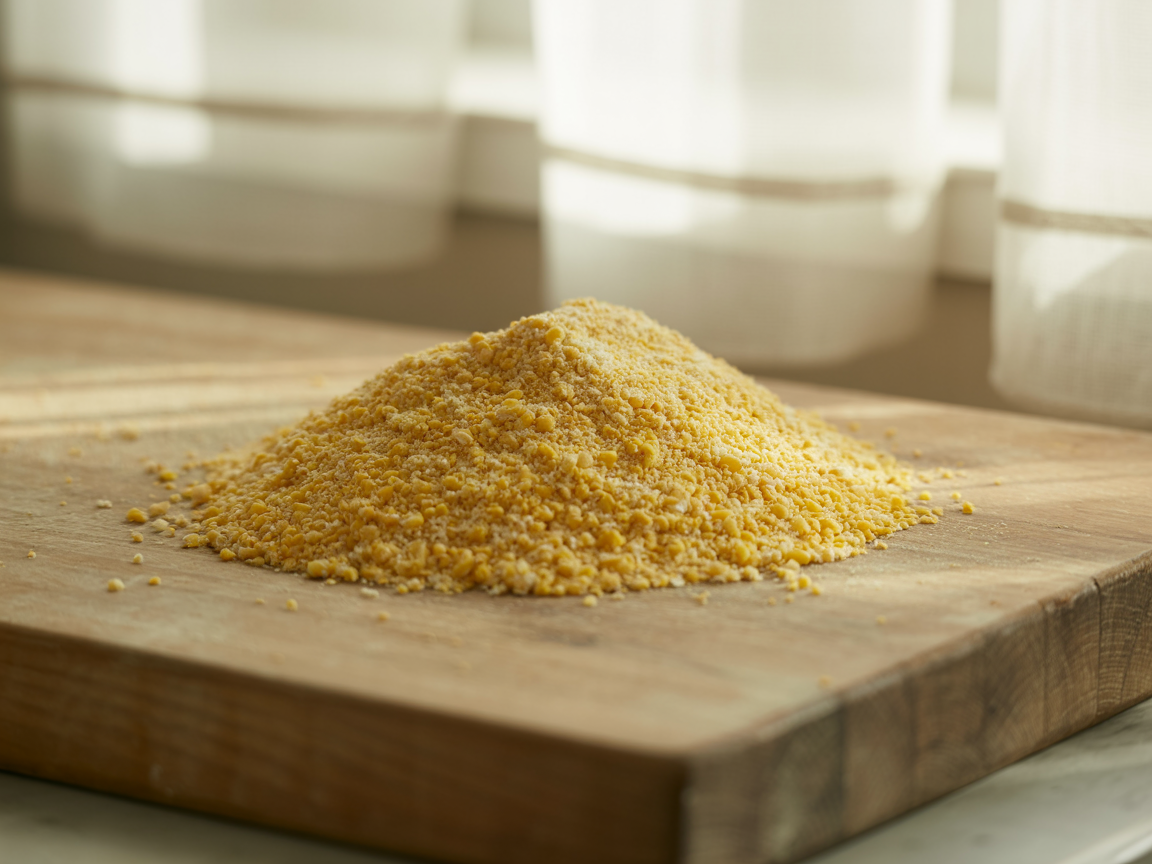
Masa harina is dried, ground dough made from corn that has been nixtamalized — soaked and cooked in an alkaline solution — then dehydrated into a shelf-stable flour. Just add water and it transforms back into pliable, earthy masa ready to press into tortillas or stuff into tamales. It is not interchangeable with cornmeal or regular corn flour, which skip the nixtamalization step entirely.
Nutrition
≈ 49 Calories and 0.5g fat per tablespoon.
Masa harina is a moderately calorie-dense, largely carbohydrate-based flour, but nixtamalization gives it a meaningful nutritional edge over plain corn flour. The process unlocks bound niacin (vitamin B3) that would otherwise pass through the body unabsorbed — a discovery that historically prevented pellagra in cultures that relied on corn as a staple. It also delivers a respectable dose of dietary fiber (about 5 grams per 100 g), which supports digestive health, along with modest but useful amounts of iron, magnesium, and potassium. The fat content is low and skews toward healthier unsaturated fatty acids, and sodium is naturally very low, making it a friendly base for people watching their salt intake. The alkaline treatment also increases calcium content, since lime is partially absorbed into the kernels during processing. Nutrition per 100g via Spoonacular.
Culinary uses & pairings
Masa harina is the essential building block for corn tortillas — mix it with warm water and a pinch of salt, rest the dough, press it thin, and cook it on a dry comal or cast-iron skillet for about 60 to 90 seconds per side. The same dough, enriched with lard or shortening and broth, becomes the tender masa spread inside tamales. Pupusas, gorditas, huaraches, sopes, and tlayudas all start from a similar base, showing just how versatile a single bag can be.
Beyond the obvious flatbreads, masa harina shines as a thickener for soups and stews — a tablespoon whisked into posole or a chili gives body without the starchy, gluey texture of cornstarch. It can also be used to coat fish or shrimp before pan-frying, lending a subtly earthy, corn-forward crust that pairs beautifully with citrus-based salsas. Adventurous bakers sometimes fold a small amount into cornbread batter or waffle mix to deepen the corn flavor.
Pairs well with
Substitutions
Buying & storage
Look for masa harina in the Latin foods aisle of most US grocery stores or at any Latin market, where selection is usually broader and fresher. Check the expiration date — masa harina can go stale or develop off flavors from oxidized corn oils if it has been sitting too long. A few key brands dominate the US market and are widely reliable; white masa harina is the most neutral all-purpose choice, while blue and yellow varieties offer distinct color and slightly different flavor profiles. If you plan to make tamales specifically, look for a bag labeled ‘para tamales’ — it is ground slightly coarser than tortilla-grade masa harina for a heartier, spongier texture. Buying in a larger bag (4 lbs / 1.8 kg) is economical if you cook Mexican food regularly.
Varieties
- White Masa Harina: Made from white corn, this is the most widely available variety in the US and the go-to for everyday tortillas and tamales. Its mild, clean corn flavor makes it the most versatile option.
- Yellow Masa Harina: Made from yellow corn, it has a slightly sweeter, more robust corn flavor and a warm golden hue. Popular for gorditas and some regional tamale styles.
- Blue Masa Harina: Ground from blue corn, this variety has a nuttier, earthier flavor and a striking grayish-purple color that fades somewhat when cooked. Sought after for blue corn tortillas and specialty dishes.
- Masa Harina para Tamales: A coarser grind specifically formulated for tamales, producing a softer, more open texture when mixed with fat and broth. Using tortilla-grade masa harina in tamales can result in a denser, tighter crumb.
Recipes using masa harina
16 recipes across our recipe sites use masa harina. A few favorites:
Cooking with masa harina tonight?
Find masa harina recipes that match your diet — keto, high-protein, vegan, under 30 minutes — and build a shopping list in one tap.
History & origin
Nixtamalization — the cornerstone process behind masa harina — dates back at least 3,500 years to Mesoamerican civilizations, with evidence of the practice among ancient peoples of Mexico and Central America including the predecessors of the Maya and Aztec, who discovered that treating corn with an alkaline solution of slaked lime (calcium hydroxide) or wood ash dramatically improved its nutritional value and made it far easier to grind. For centuries, fresh masa was ground daily on a stone metate, a labor-intensive ritual central to household life across Mexico and Central America. The shelf-stable dried form we know as masa harina was industrialized in Mexico in the 1940s, when milling companies developed a way to dehydrate fresh masa without destroying its texture or flavor, transforming tortilla-making from an hours-long daily chore into a matter of minutes and making authentic corn-based cooking accessible far beyond the regions where fresh masa was available.
How it’s made
Dried corn kernels are first cooked and steeped in a solution of water and cal (food-grade calcium hydroxide, also called slaked lime) — a process called nixtamalization. This alkaline bath loosens the tough outer pericarp of each kernel, gelatinizes the starches, and triggers chemical reactions that free bound niacin and increase the availability of amino acids. After steeping for several hours, the kernels are rinsed thoroughly, producing what is called nixtamal. The nixtamal is then stone- or roller-ground into fresh masa, which at this point is a moist, pliable dough. To create masa harina, that fresh masa is carefully dehydrated at low temperatures to preserve its gelatinized starch structure, then milled again into a fine, uniform powder. When a home cook adds warm water, those starches rehydrate and the dough reconstitutes — not perfectly identical to freshly ground masa, but remarkably close and dramatically more convenient.
Good to know
- The word nixtamalization comes from the Nahuatl words nextli (lime-treated corn dough) and tamalli (unformed corn dough) — the same root that gives us the word tamale.
- Without nixtamalization, a diet heavy in corn leads to pellagra, a niacin-deficiency disease. European populations who adopted corn without the alkaline-treatment technique suffered widespread pellagra outbreaks for centuries.
- One standard corn tortilla made from masa harina typically weighs about 1 oz (28 g) and contains roughly 50 to 60 calories — making it one of the lower-calorie bread options available to home cooks.
- The calcium from the lime used in nixtamalization is partially absorbed into the corn, meaning masa harina actually contains meaningful amounts of calcium — a nutritional bonus not found in regular corn flour.
- Masa harina has a naturally very low sodium content — under 10 mg per 100 g — so nearly all the salt in a finished tortilla comes from what you add yourself.