Butterfly Pea (Blue Pea)
Butterfly pea turns your kitchen into a color lab—just add acid and watch it shift from brilliant blue to vivid purple.
In a nutshell
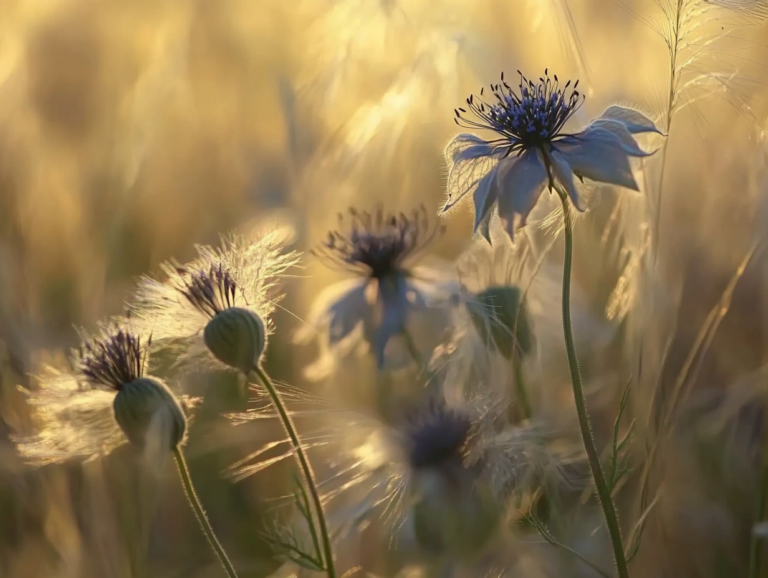
Butterfly pea (Clitoria ternatea) is a tropical vine whose deep-blue flowers have been used for centuries across Southeast Asia to color food and brew herbal tea. The blooms contain powerful anthocyanin pigments that change color dramatically when pH shifts—turning purple with lemon juice or pink with vinegar. US home cooks are discovering it as a striking, all-natural dye for drinks, rice, noodles, and baked goods.
Nutrition
≈ 50 Calories and 0.2g fat per tablespoon.
Dried butterfly pea flowers carry a modest protein contribution and are predominantly carbohydrate by weight, reflecting their use in small amounts rather than as a staple food. Their real nutritional story lives in their anthocyanins—specifically ternatins—which are potent antioxidants linked in preliminary research to anti-inflammatory and neuroprotective effects. The flowers also contain flavonoids such as kaempferol and quercetin, compounds associated with cardiovascular support. Because you typically use only a small pinch or a few dried blossoms per serving, the caloric and macronutrient contribution to a recipe is negligible; the value is almost entirely in those bioactive plant pigments. Nutrition per 100g via Spoonacular.
Culinary uses & pairings
The most popular use is butterfly pea flower tea: steep 5–8 dried blossoms in 8 oz of hot water for 5–10 minutes to produce a brilliant cobalt-blue infusion. Serve it as-is, sweetened with honey, or turn it into a showstopping color-changing cocktail by squeezing in citrus—the blue shifts to violet, then magenta as you add more acid. The tea is equally striking served over ice, and bartenders use it to layer drinks for a dramatic ombré effect without any artificial dye.
In the kitchen, a strong butterfly pea steep acts as a natural blue-to-purple food coloring for rice, pasta dough, bread, cakes, and buttercream frosting. Thai cooks have long used it to tint sticky rice and noodles a gorgeous indigo. Because the pigment is pH-sensitive, baked goods that include acidic ingredients like buttermilk or lemon juice will shift toward lavender or pink—plan accordingly or embrace the surprise. Use the cooled tea anywhere you’d use water in a dough or batter for a vibrant, plant-based color boost.
Pairs well with
Substitutions
Buying & storage
Look for whole dried butterfly pea flowers at Southeast Asian grocery stores, specialty tea shops, or online spice retailers. The best-quality flowers are a deep, saturated cobalt or indigo blue with petals that hold their shape—avoid bags where the flowers have faded to grey or brown, which signals poor drying, age, or moisture exposure. Organic options are widely available and worth choosing since you’re often steeping the whole flower. The dried flowers are sometimes sold as a loose tea blend already mixed with other herbs; if you want pure color control, buy 100% butterfly pea flowers with no additives. Prices are very reasonable—a 1 oz (28 g) bag typically brews dozens of cups.
Forms
- Whole dried flowers: The most common form; steep directly in hot water and remove before serving. Gives maximum color intensity and is the easiest to control.
- Butterfly pea flower powder: Ground dried flowers that dissolve directly into batters, frostings, and drinks without steeping. Convenient for baking but slightly less vivid than a fresh steep.
- Butterfly pea flower tea bags: Pre-portioned and convenient for quick brews; quality varies by brand, so check that the bag contains whole or coarsely cut flowers rather than dust.
- Butterfly pea simple syrup: A ready-made bar syrup infused with the flowers; great for cocktails and lemonades straight from the bottle, though it offers less flexibility than brewing your own.
Cooking with butterfly pea tonight?
Find butterfly pea recipes that match your diet — keto, high-protein, vegan, under 30 minutes — and build a shopping list in one tap.
History & origin
Butterfly pea has been woven into the food traditions of Southeast Asia—particularly Thailand, Malaysia, Vietnam, and the Philippines—for hundreds of years. In Thai cuisine it has long colored dishes such as blue sticky rice and layered desserts served at festivals and ceremonies. In Ayurvedic and traditional Malay medicine the flowers, leaves, and roots were used as tonics thought to support memory and calm the nervous system. The plant is believed to originate in tropical Asia and is now naturalized throughout the tropics. Western interest grew notably in the 2010s when the craft cocktail movement embraced its dramatic color-changing properties, and it has since crossed from specialty tea shops into mainstream US grocery aisles.
How it’s made
Butterfly pea is a fast-growing perennial vine (Clitoria ternatea) that thrives in tropical and subtropical climates with well-drained soil and full sun. The vivid blue flowers bloom prolifically and are harvested by hand—typically in the morning when the blooms are fully open and pigment concentration is highest. After picking, the flowers are dried at low temperatures, either in commercial dryers or sun-dried in traditional small-scale production, to preserve the heat-sensitive anthocyanin pigments. Once dried to a moisture content that prevents mold, they are sorted, sometimes ground into powder, and packaged. Because the plant fixes nitrogen it is also grown as a cover crop and is considered easy to cultivate, making it an accessible crop for small farmers across tropical Asia.
Good to know
- The color-change reaction is pure kitchen chemistry: anthocyanins act as natural pH indicators, turning blue in neutral or slightly alkaline water, purple in mildly acidic conditions, and pink or red when strongly acidic—the same principle behind red-cabbage pH experiments in school science class.
- In Thailand, blue sticky rice gets its color entirely from butterfly pea flowers—no artificial dye involved.
- The genus name Clitoria refers to the flower’s shape, which botanists noted resembles certain anatomy—a fact that occasionally surprises people ordering it for the first time.
- Butterfly pea is used in some traditional hair-care preparations across Southeast Asia; extracts are found in commercial shampoos and conditioners marketed for scalp health.
- Just a few dried blossoms steeped in hot water can turn a full cup of water a striking blue, making it one of the most efficient natural colorants available to home cooks.