Green Peas
Sweet, tender green peas bring a pop of color and natural sweetness to everything from soups to stir-fries.
In a nutshell
Green peas are the small, round seeds of the Pisum sativum plant, harvested at their sweet, tender peak before the sugars convert to starch. They’re one of the most versatile vegetables in the kitchen, equally at home in a quick weeknight pasta or a slow-simmered Indian dal. Fresh, frozen, and canned versions each have their place, and frozen peas are often the most practical—and nutritious—choice for US home cooks.
Nutrition
≈ 11 Calories and 0.1g fat per tablespoon.
Green peas punch well above their weight nutritionally. They deliver a surprisingly solid hit of plant-based protein—about 5 grams per cooked cup, roughly half that of one large egg—alongside a meaningful 4 grams of fiber per 100 grams (cooked), which supports digestive health and helps keep you full. Their overall fat content is negligible. Peas are also a meaningful source of vitamins C and K, folate, and several B vitamins, plus minerals like manganese and iron. Their natural sugars provide quick energy while the fiber moderates the blood-sugar response, giving them a relatively low glycemic index for a starchy vegetable. Nutrition per 100g via Spoonacular.
Culinary uses & pairings
Green peas are a workhorse in everyday cooking. Stir them into fried rice, pasta primavera, or risotto in the last few minutes of cooking so they stay bright and just-tender. They’re fantastic in soups and stews—classic split-pea soup, Indian matar paneer, or a simple pea-and-mint purée—and they make a fast, crowd-pleasing side dish with just butter, salt, and a squeeze of lemon.
Beyond the obvious, peas lend themselves to dips and spreads (mash them with olive oil, garlic, and lemon for a quick crostini topper), grain salads, and even breakfast scrambles. Lightly blanched fresh peas straight from the pod need almost no embellishment. For a satisfying weeknight protein boost, toss frozen peas into grain bowls or fold them into frittatas where they hold their shape and color beautifully.
Pairs well with
Substitutions
Buying & storage
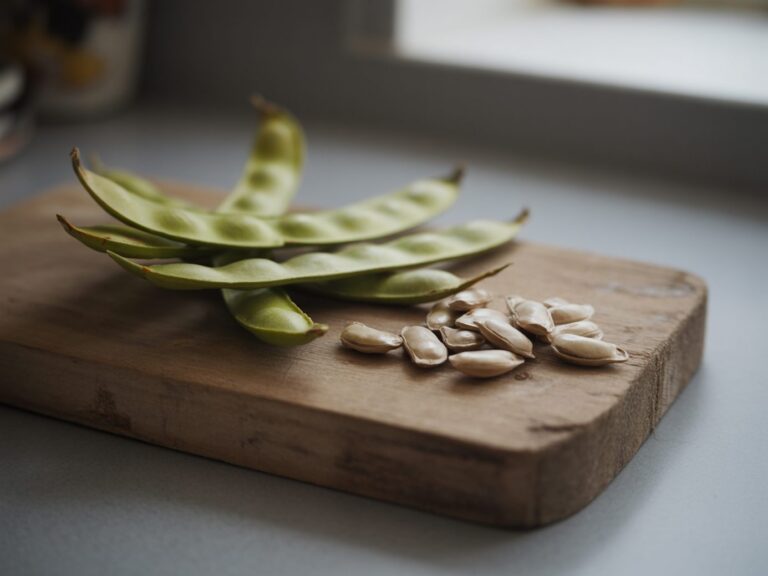
When shopping for fresh peas, look for bright-green, firm pods that feel plump and snap cleanly—avoid yellowing or withered shells, which signal aging and starch development. Because fresh peas lose their sweetness within hours of picking, buy them the day you plan to cook them and taste one raw; it should be sweet, not chalky. Frozen peas are flash-frozen right after harvest, which locks in both flavor and nutrients, so don’t hesitate to reach for the freezer section—they’re often fresher-tasting than the so-called fresh peas sitting in a produce bin. For canned, choose low-sodium or no-salt-added options when possible.
Varieties
- Garden Peas (English Peas): The classic shelling pea with a sweet, starchy flavor; the pod is too tough to eat, so only the seeds are used.
- Snow Peas: Flat, edible pods harvested before the seeds fully develop; crisp and mild, a staple in Asian cooking.
- Sugar Snap Peas: A cross between garden and snow peas with thick, sweet, fully edible pods; great raw or lightly stir-fried.
- Petit Pois: Extra-small, extra-sweet garden peas picked very young; prized in French cooking for their delicate flavor.
- Split Peas: Dried and hulled garden peas that split naturally along their seam; the base of classic split-pea soup and Indian dal.
Recipes using green peas
3 recipes across our recipe sites use green peas. A few favorites:
Cooking with green peas tonight?
Find green peas recipes that match your diet — keto, high-protein, vegan, under 30 minutes — and build a shopping list in one tap.
History & origin
Peas are among humanity’s oldest cultivated crops, with archaeological evidence of their use stretching back more than 10,000 years to the Near East and Central Asia. They spread quickly across Europe and were a dietary staple through the Middle Ages, prized as a dried pulse that kept through harsh winters. Fresh green peas as we know them became fashionable in 17th-century France, where they were reportedly a sensation at the court of Louis XIV—letters from the period describe courtiers eating them late into the night and eagerly anticipating the next season’s crop. Peas arrived in the Americas with European colonists and became a staple crop in the early US. The famous genetics experiments of Gregor Mendel in the 1860s used pea plants to establish the foundational principles of heredity, cementing the humble pea’s place in the history of science as well as the kitchen.
How it’s made
Green peas grow on a climbing annual vine that thrives in cool weather, making them a classic spring and early-summer crop in most of the US. Seeds are sown directly in the ground as early as four to six weeks before the last frost; the vines climb trellises and produce delicate white or purple flowers that self-pollinate and set pods within a few weeks. Peas are harvested by hand or machine at the peak of sweetness, when the sugars haven’t yet converted to starch—a narrow window of just a few days. For commercial frozen peas, pods are shelled mechanically and the peas are blanched in hot water to deactivate enzymes, then immediately blast-frozen to preserve color, texture, and nutrition. Fresh market peas travel quickly from farm to store, though the sugar-to-starch conversion begins the moment the pod is picked.
Good to know
- Peas are botanically a fruit, not a vegetable—the pod is a seed pod and the peas inside are seeds.
- Gregor Mendel’s landmark genetics research in the 1860s was conducted on pea plants, laying the groundwork for modern genetics.
- The sugar in freshly picked peas starts converting to starch within hours of harvest, which is why frozen peas often taste sweeter than ‘fresh’ supermarket peas.
- Green peas are one of the few vegetables with enough protein to be considered a meaningful plant-based protein source, classifying them alongside legumes.
- The US produces peas primarily in Washington, Oregon, Minnesota, and Wisconsin, which together account for the majority of the country’s commercial frozen-pea crop.