Chickling Vetch (Grass Pea)
Chickling vetch is an ancient, drought-tough legume with a nutty flavor that’s been feeding people for thousands of years.
In a nutshell
Chickling vetch, also called grass pea (Lathyrus sativus), is a small, wedge-shaped legume that has sustained civilizations from the Mediterranean to South Asia for millennia. It tastes mildly nutty and earthy, similar to a chickpea or lentil, and can be cooked whole, split, or ground into flour. Because it contains a natural neurotoxin called ODAP, it’s important to prepare it properly—soaking, boiling, and draining thoroughly—before eating regularly.
Nutrition
Grass pea is a solid source of plant-based protein, delivering roughly 25–28% protein by dry weight, along with complex carbohydrates and dietary fiber that support steady energy and digestive health. It provides meaningful amounts of iron, zinc, and B vitamins including folate, making it a valuable legume in plant-forward diets. The grain does contain beta-ODAP, a naturally occurring amino acid that at very high intake levels—particularly during famine conditions with little dietary variety—has been linked to a paralytic condition called lathyrism; normal moderate consumption with proper preparation (soaking and boiling in fresh water) significantly reduces this compound and poses no established risk for healthy adults eating a varied diet. Nutrition per 100g via Spoonacular.
Culinary uses & pairings
Whole cooked grass peas work beautifully in hearty soups and stews, where they hold their shape better than red lentils while absorbing surrounding spices and aromatics. In South Asian and Ethiopian cooking they are simmered with onion, garlic, and warming spices into thick, satisfying dals and curries, while in parts of Southern Europe they have traditionally been tossed with olive oil, herbs, and wilted greens as a simple side dish.
Ground into grass pea flour, chickling vetch adds a mildly nutty depth to flatbreads, porridges, and fritters. It blends well with wheat flour for a protein-boosted bread, and it can be roasted and seasoned as a crunchy snack in the same spirit as roasted chickpeas. Some cooks use it as a thickener for soups, lending body without the heaviness of cornstarch.
Pairs well with
Substitutions
Buying & storage
Look for grass pea at South Asian, Ethiopian, or Middle Eastern grocery stores, where it may be labeled as khesari dal, lang, or cicerchia. Choose bags where the seeds are uniformly pale tan to greenish-gray with no visible mold, insect damage, or excessive broken pieces. Flour should smell fresh and faintly nutty with no musty or rancid off-notes. Because it’s a niche ingredient in the US, online specialty retailers and heirloom grain suppliers are often the easiest source.
Types
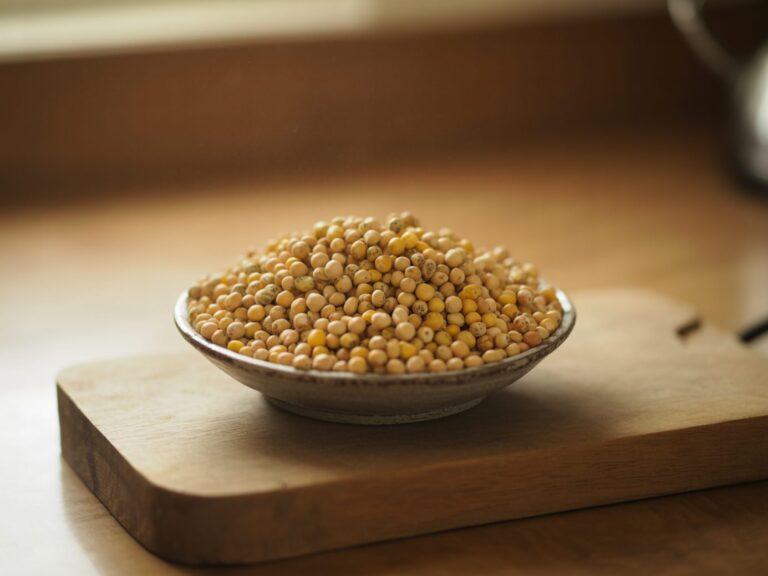
- Whole dried seeds: The most traditional form—wedge-shaped, pale tan to gray-green—used for soups, stews, and dal. Must be soaked and boiled in fresh water before eating.
- Split and dehulled (dal): Sold as khesari dal in South Asian markets; cooks faster than whole seeds and breaks down into a creamy, lentil-like porridge.
- Grass pea flour: Ground from roasted or raw seeds; used in flatbreads, fritters, and as a thickener. Sometimes blended with wheat or chickpea flour for baking.
- Cicerchia (Italian landrace): A heritage variety prized in Umbria and Abruzzo, slightly larger and nuttier, traditionally served with olive oil and aromatics as a rustic side dish.
Cooking with chickling vetch tonight?
Find chickling vetch recipes that match your diet — keto, high-protein, vegan, under 30 minutes — and build a shopping list in one tap.
History & origin
Chickling vetch is one of humanity’s oldest cultivated legumes, with archaeological evidence of its use stretching back more than 8,000 years across the Fertile Crescent, the Mediterranean basin, and the Indian subcontinent. It was a staple crop precisely because it thrives where other legumes fail—surviving drought, flooding, and poor soil—making it a famine food of last resort throughout history. Ancient Greeks and Romans ate it regularly, Italian peasant farmers grew it through the medieval period, and it remains a dietary cornerstone in parts of Ethiopia, Bangladesh, and India today. Its complicated reputation stems from famines—most notably in post-World War II Europe and recurrent droughts in South Asia—when populations surviving almost exclusively on grass pea developed lathyrism, a paralytic condition now understood to result from extreme, prolonged overconsumption rather than ordinary dietary use.
How it’s made
Grass pea is an annual cool-season legume sown in autumn or early spring directly into the soil. Unlike most crops, it requires virtually no irrigation and fixes its own nitrogen, making it exceptionally low-input. The plants mature in roughly 90–120 days, producing small, angular pods each containing two to three seeds. After harvest, seeds are threshed, dried, and either sold whole or processed into split dal by dehulling and splitting the seeds with a mill. For flour production, seeds are cleaned, optionally roasted to reduce ODAP content and deepen flavor, then stone- or roller-milled into a fine powder. Soaking whole seeds overnight in ample water, discarding the soaking water, and boiling in fresh water is the standard household preparation step that significantly lowers ODAP levels.
Good to know
- Grass pea can germinate in temperatures as low as 39°F (4°C) and survive brief frost, making it one of the hardiest food legumes in existence.
- The neurotoxin beta-ODAP in grass pea was first seriously studied after large-scale paralysis outbreaks in Europe following World War II, spurring decades of research into safer low-ODAP varieties.
- In Italy, cicerchia nearly disappeared in the 20th century but has enjoyed a gourmet revival—it now appears on menus of farm-to-table restaurants in Umbria and Abruzzo.
- Grass pea fixes atmospheric nitrogen through root nodule bacteria, naturally enriching the soil and reducing the need for synthetic fertilizers in rotation cropping.
- Researchers at the FAO and CGIAR have developed low-ODAP cultivars of grass pea specifically for food-insecure regions, aiming to retain the crop’s resilience while making it safer for daily consumption.