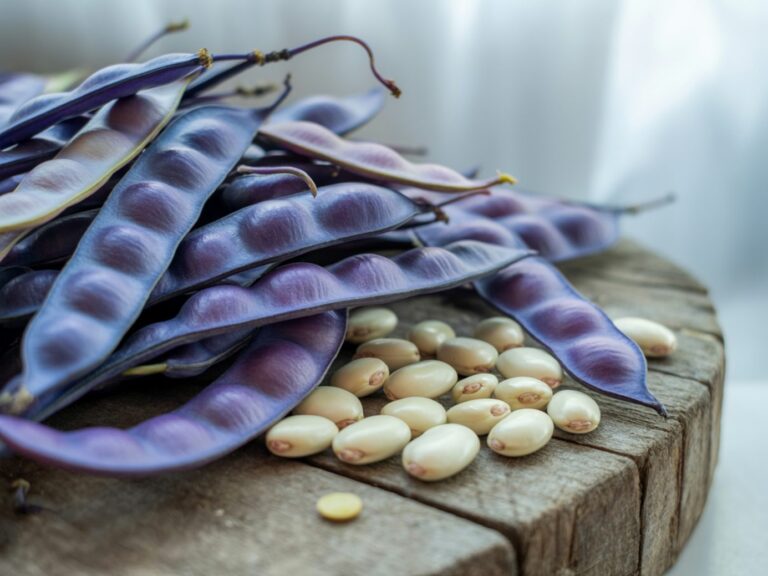
Adzuki Beans
Adzuki beans are a sweet, earthy little legume that bring a naturally dessert-friendly flavor to both savory and sweet dishes.
In a nutshell
Adzuki beans are small, deep-red beans prized across East Asia for their mildly sweet flavor and tender texture. They’re as comfortable in a dessert filling as they are in a hearty soup. US home cooks are discovering them as a versatile, protein-rich pantry staple.
Nutrition
≈ 17 Calories and 0g fat per tablespoon.
Adzuki beans pack an impressive nutritional punch for such a tiny legume. Their protein content (about 7.5 g per 100 g cooked) makes them a solid plant-based protein source, and their fiber content — roughly 7.3 g per 100 g — supports digestive health and helps you feel full longer. They’re virtually fat-free, which sets them apart from many other protein sources, and their low sodium content makes them an easy fit for heart-conscious cooking. They also provide meaningful amounts of folate, iron, potassium, and magnesium, nutrients that support energy metabolism, red blood cell production, and muscle function. Their natural sweetness is a characteristic of the variety itself rather than an unusually high sugar content relative to starch, which still makes them a popular choice in dessert applications where a less assertive bean flavor is welcome. Nutrition per 100g via Spoonacular.
Culinary uses & pairings
In Asian cooking, adzuki beans are most famously cooked down with sugar into anko, a smooth or chunky sweet red bean paste that fills mochi, daifuku, dorayaki pancakes, and steamed buns. That sweet paste tradition also extends beautifully into ice cream swirls, toast spreads, and modern fusion desserts. Because they’re naturally milder and slightly sweeter than black or kidney beans, they work well in sweet applications with relatively modest amounts of added sugar.
On the savory side, adzuki beans shine in Japanese sekihan (red rice), Korean red bean porridge, and hearty soups and stews. US home cooks love them in grain bowls alongside farro or brown rice, tossed into vegetable chili for a sweeter undertone, or blended into hummus-style dips. They hold their shape well when cooked properly, making them a reliable addition to salads and Buddha bowls.
Pairs well with
Substitutions
Buying & storage
Look for adzuki beans in the bulk bins or dry-goods aisle of Asian grocery stores, natural food stores, or well-stocked supermarkets. Choose beans with a uniform deep-red color and a faint white ridge along one side — that’s the natural hilum, a sign of a genuine adzuki. Avoid bags with cracked, shriveled, or faded beans, which signal age and will result in uneven cooking. Canned adzuki beans are a convenient shortcut and widely available; check that the only ingredients are beans, water, and possibly salt. If you want them for sweet paste, buy them dried for the most control over texture and sweetness.
Varieties
- Standard red adzuki: The most common variety, with deep burgundy-red skin and a mildly sweet, earthy flavor. This is what you’ll find in most US stores.
- Black adzuki: A less common dark-colored strain with a slightly more robust flavor; used in some traditional East Asian preparations.
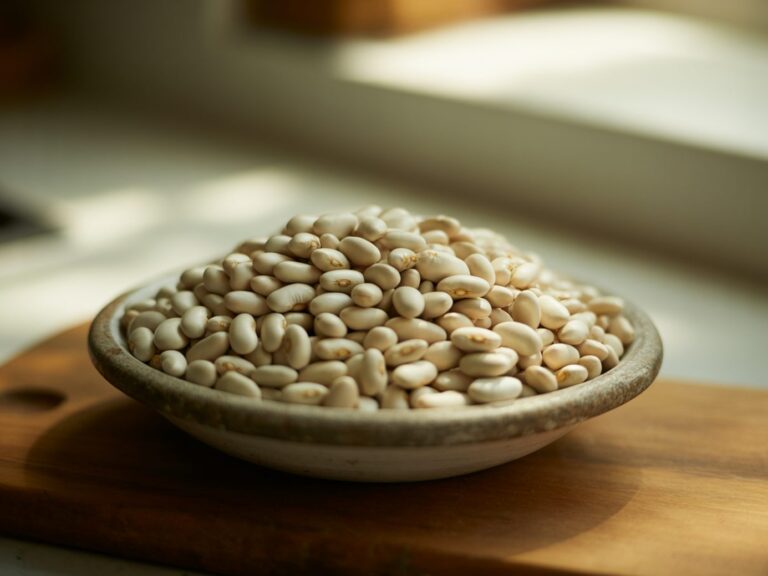
- White adzuki: A rare variety with a creamier color and subtler sweetness, occasionally found at specialty Asian markets.
Recipes
We do not have recipes featuring Adzuki Beans in our collection just yet — but you can discover thousands of recipes, filtered to your diet and your pantry, over at Tucker Finder.
Cooking with adzuki beans tonight?
Find adzuki beans recipes that match your diet — keto, high-protein, vegan, under 30 minutes — and build a shopping list in one tap.
History & origin
Adzuki beans have been cultivated in East Asia for over 3,000 years, with archaeological and genetic evidence pointing to origins in China and surrounding regions. They spread through Japan, Korea, and other parts of Asia, becoming deeply woven into culinary and cultural traditions — in Japan, red-colored sekihan rice made with adzuki beans has long been served at celebrations and coming-of-age ceremonies because the color red symbolizes good fortune and protection from evil. By the 20th century, adzuki beans traveled to the US primarily through Asian immigrant communities, and today they’re gaining mainstream traction as interest in plant-based eating and East Asian cuisine continues to grow.
How it’s made
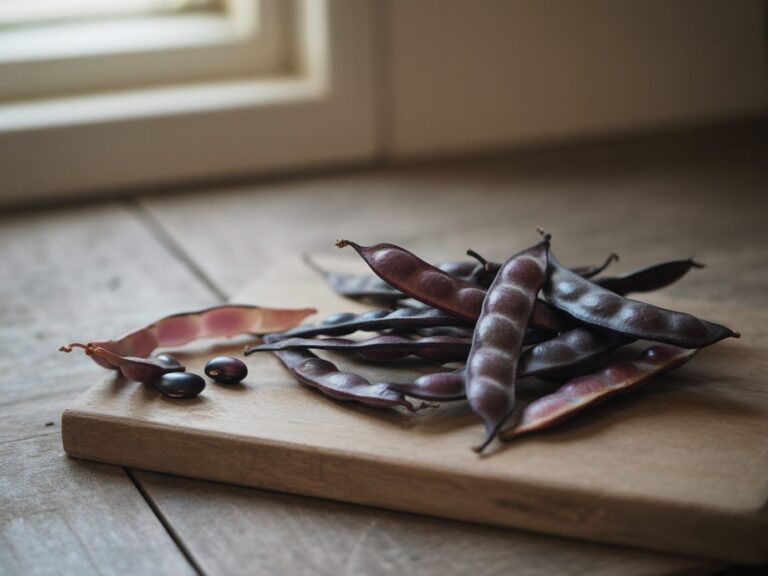
Adzuki beans are an annual warm-season legume (Vigna angularis) grown much like other beans — sown directly in well-drained soil after the last frost, with full sun and moderate water. The plants grow as compact bushes roughly 1 to 2 feet tall and produce slender seed pods. Pods are harvested when they dry out and turn yellow-brown on the vine, then threshed to release the small, oval beans inside. Most commercial production takes place in China, Japan, and South Korea, with smaller amounts grown in other countries. After harvesting, the beans are cleaned, sorted, and either sold dried or processed into canned or pre-cooked forms.
Good to know
- The word adzuki comes from the Japanese 小豆 (azuki), meaning ‘small bean.’
- Japan is among the largest consumers of adzuki beans, using a significant share to make sweet red bean paste for traditional confections called wagashi.
- Unlike many other dried beans, adzuki beans don’t require overnight soaking — a 1-hour quick soak or straight-to-pot simmering works fine for most recipes.
- Adzuki beans are one of the few legumes commonly used in both sweet and savory dishes across their native cuisines.
- In traditional Chinese medicine, adzuki beans have been used for centuries as a food believed to support kidney health and reduce dampness in the body.