Lablab Beans (Hyacinth Beans)
Lablab beans are a protein-packed legume beloved across South Asia, Africa, and the American South for their earthy, creamy bite.
In a nutshell
Lablab beans — also called hyacinth beans — are a dual-purpose legume: both the pods and dried seeds are edible after proper cooking. They have a dense, creamy texture and a mildly earthy flavor that soaks up bold seasonings beautifully. Though still rare in mainstream US grocery stores, they’re a staple ingredient in Indian, African, and Southeast Asian kitchens.
Nutrition
≈ 33 Calories and 0.1g fat per tablespoon.
Dried lablab beans are a nutritional powerhouse, delivering roughly 22–25 grams of protein per 100 grams (dry weight) — a substantial amount for a plant food — making them a standout choice for plant-based eaters. Their carbohydrate content fuels sustained energy, and they’re notably low in fat and sodium. Like most legumes, they supply B vitamins including folate, which supports cell repair and is especially important during pregnancy. It’s worth noting that raw lablab beans contain cyanogenic glucosides as well as other antinutritional factors, natural compounds that can be harmful if not neutralized, so thorough soaking and boiling in fresh water is absolutely essential before eating. Nutrition per 100g via USDA FoodData Central.
Culinary uses & pairings
In Indian cuisine, dried lablab beans are soaked overnight and simmered into thick, spiced dals or combined with coconut milk and mustard seeds for a hearty side dish. They’re also pressure-cooked into stews seasoned with turmeric, cumin, and tomatoes — the beans hold their shape well under heat and absorb surrounding flavors without turning mushy.
Fresh or dried young pods can be stir-fried or braised much like green beans, and in African cooking the dried seeds are added to soups and one-pot dishes with root vegetables. In the American South, lablab has historically been grown as a cover crop and fodder plant, though adventurous home cooks are now embracing it at the table, treating the cooked beans much like butter beans or lima beans in casseroles and braises.
Pairs well with
Substitutions
Buying & storage
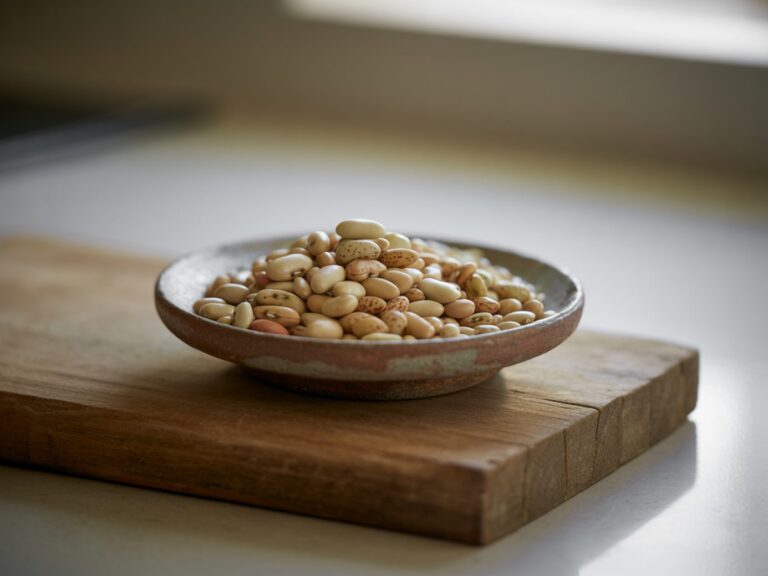
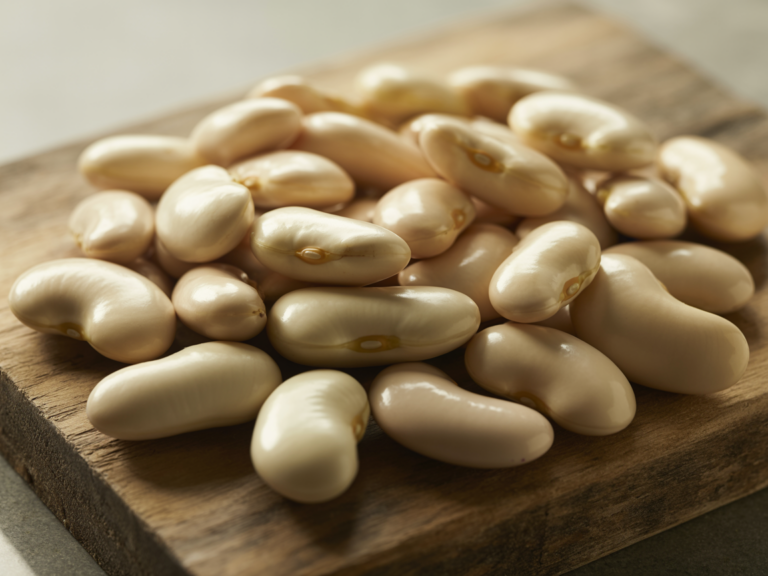
Look for dried lablab beans at Indian grocery stores (sold as val or papdi), African or Caribbean markets, or specialty online retailers. Choose bags with smooth, uniformly colored seeds — either white, cream, or deep purple-black depending on the variety — and avoid any with shriveled skins, off smells, or visible moisture, which signals poor storage. Canned lablab beans are rare in the US, so dried is almost always your starting point.
Varieties
- White-seeded (Val): The most common variety for culinary use in Indian cooking; creamy in color with a mild, nutty flavor.
- Purple/Black-seeded: Striking deep purple to black seed coat that fades during cooking; popular as an ornamental vine and in African cuisines.
- Red-seeded: Less common in the US; used similarly to white-seeded types in stews and curries across South Asia.
Recipes
We do not have recipes featuring Lablab Beans (Hyacinth Beans) in our collection just yet — but you can discover thousands of recipes, filtered to your diet and your pantry, over at Tucker Finder.
Cooking with lablab beans tonight?
Find lablab beans recipes that match your diet — keto, high-protein, vegan, under 30 minutes — and build a shopping list in one tap.
History & origin
Lablab beans have been cultivated for thousands of years, with origins most likely traced to Africa, though the exact center of domestication is still debated among archaeobotanists. They spread across the Indian subcontinent, Southeast Asia, the Caribbean, and into the American South, where Thomas Jefferson grew them at Monticello as an ornamental and field crop. For centuries they served double duty as a food crop, a nitrogen-fixing cover crop, and livestock fodder across tropical and subtropical regions, cementing their place as one of the most versatile legumes in world agriculture.
How it’s made
Lablab is a climbing annual or short-lived perennial vine in the legume family, grown from seed in warm, well-drained soil with full sun. It thrives in tropical and subtropical climates and is notably drought-tolerant once established. The plant produces fragrant flowers — typically purple or white — followed by flat, curved pods. For dried beans, the pods are left on the vine until fully mature, then harvested, threshed, and dried. Before cooking, dried seeds must be soaked for at least 8 hours in plenty of water, then drained and boiled vigorously in fresh water to destroy heat-labile toxic compounds, followed by full simmering until tender.
Good to know
- Raw lablab beans contain cyanogenic glucosides and other antinutritional factors that can be harmful — always soak and boil thoroughly before eating.
- The plant’s striking purple pods and lavender to purple flowers make it a popular ornamental vine in US gardens, often sold at nurseries purely for landscaping.
- Thomas Jefferson grew lablab at Monticello, and it appears in his garden records; the exact years of cultivation are documented across several seasons in the early 1800s.
- Lablab is one of the few legumes where the leaves, flowers, pods, and seeds are all edible at various stages after appropriate preparation.
- As a nitrogen-fixing crop, lablab naturally enriches soil, making it a favorite in sustainable farming and intercropping systems across sub-Saharan Africa.