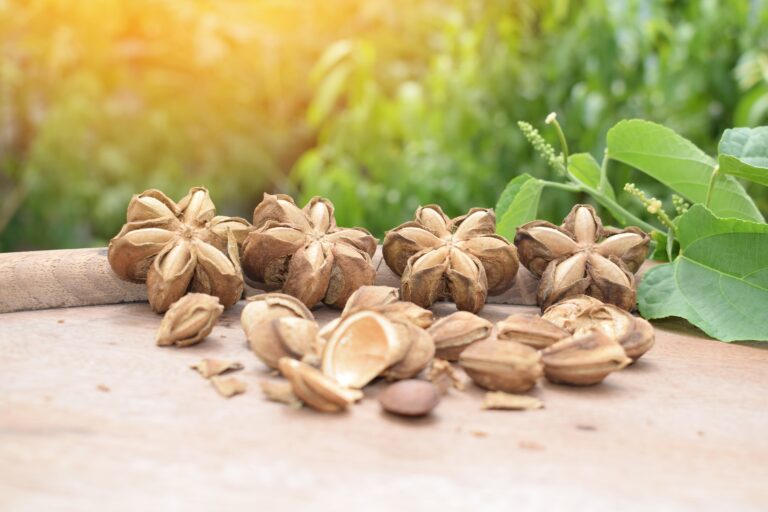
Apricot Kernels
Apricot kernels bring a bittersweet, almond-like depth to everything from jams to specialty oils.
In a nutshell
Apricot kernels are the seeds found inside apricot pits, split into sweet and bitter varieties. Sweet kernels are used like almonds in baking and confections, while bitter kernels contain amygdalin and must be used with strict caution. They’re a staple in some Middle Eastern and European kitchens, prized for their distinctive marzipan-like flavor.
Nutrition
≈ 6 Calories and 0.1g fat per tablespoon.
Apricot kernels are relatively energy-dense and moderately high in fat, with much of that fat coming from monounsaturated and polyunsaturated fatty acids. They offer a modest hit of plant-based protein and dietary fiber, supporting digestive health. They supply small amounts of vitamin E, which acts as an antioxidant, along with phosphorus and magnesium. The most important nutritional note is the presence of amygdalin in bitter kernels, which the body can convert to cyanide — the FDA advises consumers not to eat bitter apricot kernels raw or in large quantities, and sweet varieties should always be clearly labeled as such. Nutrition per 100 g.
Culinary uses & pairings
Sweet apricot kernels can be used much like almonds — toasted and eaten as a snack, ground into a paste for baked goods, or used to flavor jams and preserves. In Italian confectionery, bitter apricot kernels are part of the traditional flavor base for amaretti cookies, and both apricot kernels and almonds have historically contributed to amaretto liqueur, lending that signature bittersweet note. They can also be pressed into a delicate apricot kernel oil suitable for finishing salads and very gentle cooking at low heat.
In Middle Eastern and Central Asian cooking, sweet kernels are simmered into fruit compotes, stuffed into dried apricots, or stirred into rice pilafs for a subtle nutty complexity. Bitter kernels, where legally sold, are used in extremely small doses to flavor liqueurs, marzipan-style confections, and certain traditional preparations — always following safe-use guidelines. A single bitter kernel added to a pot of jam can mimic the depth of amaretto without overpowering the fruit.
Pairs well with
Substitutions
Buying & storage
Always buy apricot kernels from a reputable specialty food retailer or natural food store, and look for packaging that clearly states ‘sweet’ variety if you plan to eat them directly or use them in significant quantities in cooking. Avoid unlabeled bulk bins where sweet and bitter types may be mixed. Fresh kernels should smell pleasantly nutty and almond-like, not rancid or musty. In the US, bitter apricot kernels intended for consumption are subject to FDA scrutiny, so purchasing sweet, food-grade kernels is both the safer and more practical choice for home cooks.
Varieties
- Sweet Apricot Kernels: Found in certain cultivated varieties including some Manchurian apricot types, these have lower amygdalin levels and a mild almond flavor considered safer for direct culinary use in normal amounts.
- Bitter Apricot Kernels: Derived from most common apricot varieties, these contain significant amygdalin and must be handled with great caution; used only in tiny quantities for flavoring or for pressing into cosmetic-grade oil.
- Apricot Kernel Oil (Cold-Pressed): The pressed oil from sweet kernels is light, slightly nutty, and used both as a culinary finishing oil at low temperatures and a popular carrier oil in skincare.
Recipes
We do not have recipes featuring apricot kernels in our collection just yet — but you can discover thousands of recipes, filtered to your diet and your pantry, over at Tucker Finder.
Find your next recipe
Discover thousands of recipes — matched to your diet, your pantry, and your schedule — and build a shopping list in one tap.
History & origin
Apricot kernels have been used in food and medicine for thousands of years, with records of apricot cultivation and kernel use tracing back to ancient China, where they featured in traditional herbal medicine. The apricot tree spread westward along the Silk Road, and by the time it reached the Mediterranean, cooks in Persia, the Arab world, and eventually Europe were incorporating the kernels into sweets and savory dishes. Italian bakers of the 18th and 19th centuries used bitter kernels — sometimes alongside almonds — as a defining flavor of what became amaretti cookies and, later, amaretto liqueur. In the American West, apricot cultivation expanded significantly in California’s Santa Clara Valley in the late 19th century, making kernels a regional byproduct familiar to adventurous home cooks.
How it’s made
After apricots are harvested and the fruit flesh is removed or processed, the hard outer pit is cracked open — traditionally by hand with a mallet or stone, and commercially with mechanical crackers — to reveal the pale, almond-shaped kernel inside. Sweet varieties can be eaten raw or toasted after a light drying period. For apricot kernel oil, the kernels are cold-pressed much like almond oil, yielding a delicate, pale yellow oil. Bitter kernels intended for flavoring are sometimes blanched or heat-treated to partially reduce amygdalin content before use in small-scale confectionery production.
Good to know
- The distinctive flavor of traditional amaretti cookies has historically come in part from bitter apricot kernels, though many modern recipes use almonds or almond extract for safety and consistency.
- Apricot kernel oil is one of the most popular carrier oils in aromatherapy and cosmetics, prized for its light texture and mild scent.
- The FDA issued a specific warning in 2017 advising consumers that eating bitter apricot kernels can cause cyanide poisoning, and that no safe level for regular consumption has been established.
- In some Central Asian countries, sweet apricot kernels are sold by street vendors as a casual snack, similar to the way sunflower seeds are eaten in the US.
- One apricot pit yields a single kernel roughly the size and shape of a small almond, making commercial harvesting of kernels a natural byproduct of the apricot processing industry.