Sorghum
Sorghum is a hearty, gluten-free ancient grain that deserves a permanent spot in every home cook’s pantry.
In a nutshell
Sorghum is a drought-tolerant cereal grain native to Africa that has been feeding people for thousands of years. It’s naturally gluten-free, mild in flavor, and wonderfully versatile — eaten whole, ground into flour, or even popped like popcorn. In the American South it’s also prized as a sweet syrup made from the plant’s juice.
Nutrition
≈ 46 Calories and 0.4g fat per tablespoon.
Sorghum delivers a solid hit of complex carbohydrates alongside a respectable 10+ grams of protein per 100 grams — impressive for a grain. Its fat profile leans toward the healthier unsaturated side, with monounsaturated and polyunsaturated fats far outweighing saturated fat. The 6+ grams of dietary fiber support digestive health and help moderate blood-sugar response, making sorghum a smarter carb choice than many refined grains. Sorghum is also rich in polyphenol antioxidants, particularly 3-deoxyanthocyanins found in dark-colored varieties, which research links to anti-inflammatory properties. It provides meaningful amounts of iron, magnesium, phosphorus, and B vitamins, and its naturally gluten-free status makes it safe for people with celiac disease or gluten sensitivity. Nutrition per 100g via Spoonacular.
Culinary uses & pairings
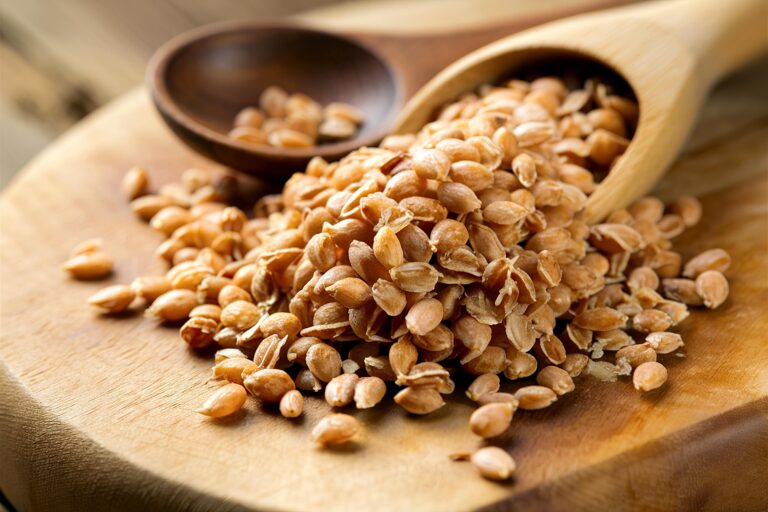
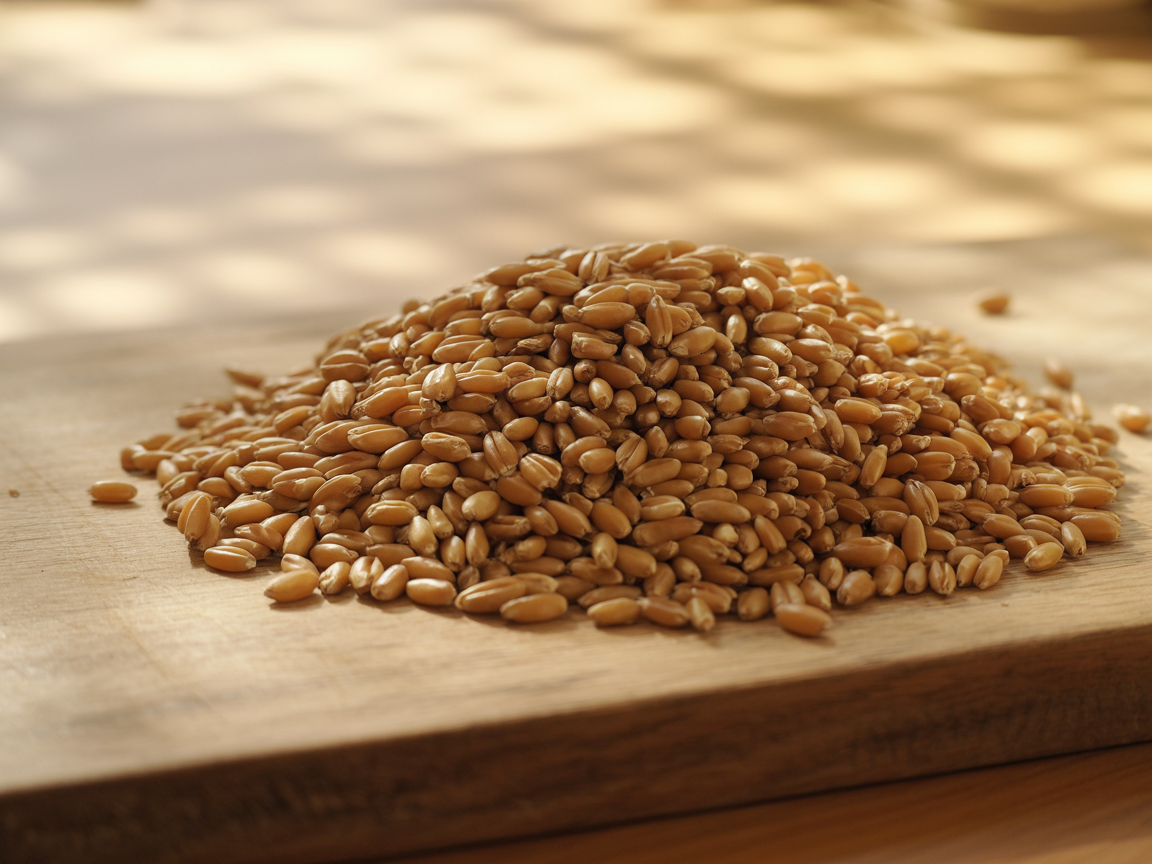
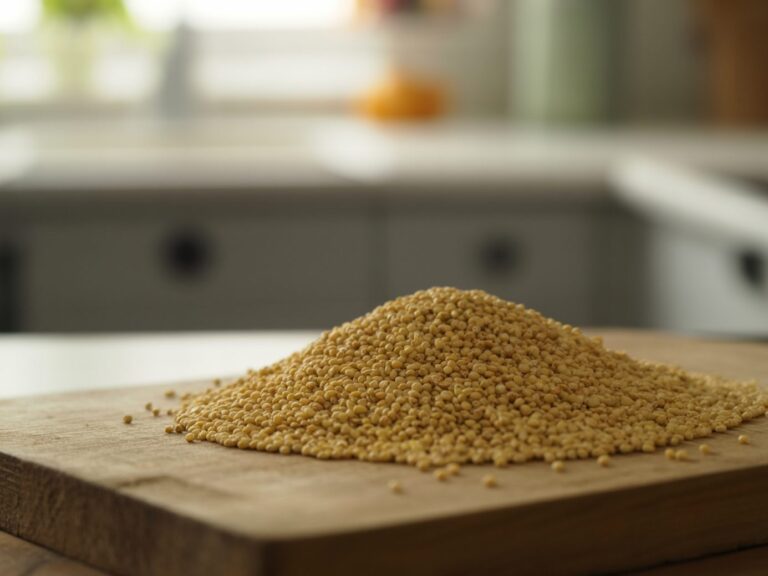
Whole sorghum berries cook up chewy and satisfying — simmer them like rice or barley and toss into grain bowls, soups, and salads. They hold their shape beautifully after cooking, so they also work well in meal-prep dishes that sit in the fridge for days. You can even pop dried sorghum in a dry skillet for a tiny, crunchy snack.
Sorghum flour is a go-to in gluten-free baking because its mild, slightly sweet flavor doesn’t overpower other ingredients. Blend it with starches and other gluten-free flours for breads, muffins, pancakes, and cookies. Sorghum syrup — a Southern staple pressed from sweet sorghum cane — can be drizzled over biscuits, stirred into marinades, or used anywhere you’d reach for molasses or cane syrup.
Pairs well with
Substitutions
Buying & storage
Look for whole sorghum berries in the bulk bins or natural-foods aisle of well-stocked grocery stores, or order online where selection is far wider. Choose berries that are uniform in color with no musty smell — a sign of proper storage. Sorghum flour should be finely milled and off-white to tan in color; check the package date because the higher fat content means it can go rancid faster than all-purpose flour. For sorghum syrup, seek out small-batch Southern producers at farmers markets or specialty food shops — color ranges from amber to dark brown, with darker syrup carrying a deeper, more molasses-like flavor.
Types
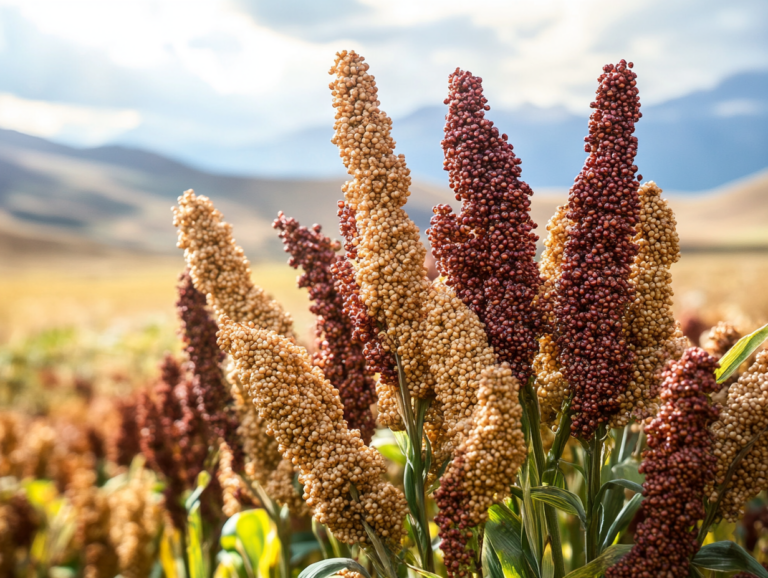
- Grain sorghum (milo): The most common type grown in the US; used for whole berries, flour, and animal feed. Flavor is mild and slightly earthy.
- Sweet sorghum: Grown specifically for its sugar-rich stalks, which are pressed and cooked down into sorghum syrup — a Southern pantry staple.
- White sorghum: Has a lighter color and milder, less tannic flavor; preferred for flour and gluten-free baking because it blends more neutrally.
- Red and black sorghum: Pigmented varieties packed with extra polyphenol antioxidants; nuttier and slightly more bitter, excellent in hearty grain dishes.
- Broom corn sorghum: Grown primarily for the fibrous seed heads historically used to make brooms; not typically eaten.
Cooking with sorghum tonight?
Find sorghum recipes that match your diet — keto, high-protein, vegan, under 30 minutes — and build a shopping list in one tap.
History & origin
Sorghum originated in northeastern Africa — likely in present-day Ethiopia and Sudan — where it was domesticated roughly 8,000 years ago, making it one of humanity’s oldest cultivated crops. It spread across Africa, into India, and eventually reached China and the Middle East along ancient trade routes. It arrived in the Americas during the colonial period, with evidence of sorghum being brought over as early as the 17th century and more broadly established through the 18th and 19th centuries, including through the forced migration of enslaved Africans who carried knowledge of its cultivation. By the 19th century, sweet sorghum syrup had become a critical sweetener throughout the rural South, especially during sugar shortages. Today the United States is one of the world’s top sorghum producers, with much of the crop grown in Kansas, Texas, and Oklahoma.
How it’s made
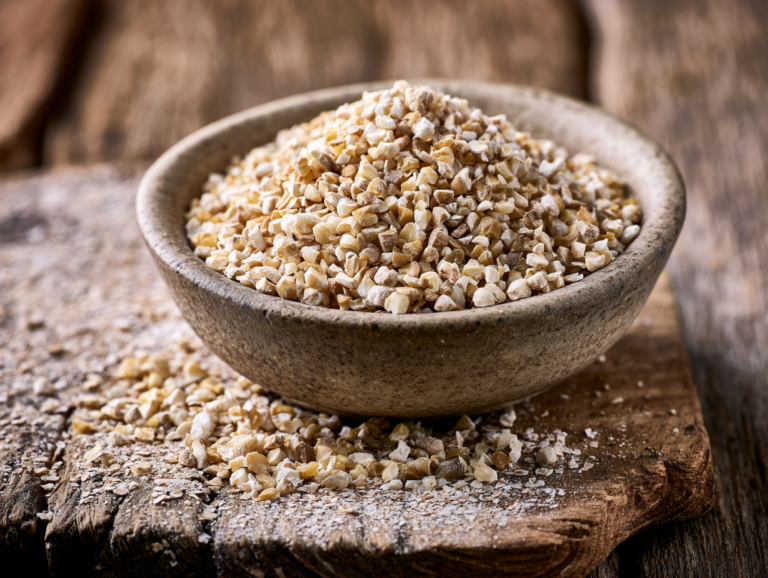
Grain sorghum is an annual grass that grows 2 to 8 feet tall depending on the variety, thriving in hot, dry climates where corn would fail — it is notably more drought-tolerant than corn, though water-use comparisons vary by variety and growing conditions. The plant produces a dense seed head at the top, and the small, round kernels are harvested mechanically when mature and dry. After harvest, grain is cleaned and either sold whole as sorghum berries, stone-ground or roller-milled into flour, or further processed into grits, flakes, or starch. Sorghum syrup is made differently: the stalks of sweet sorghum varieties are crushed through a mill to extract the juice, which is then cooked in open pans until it reduces to a thick, amber syrup — a process that looks a lot like old-fashioned cane syrup production.
Good to know
- Sorghum is the fifth most important cereal crop in the world by production, behind wheat, rice, maize, and barley.
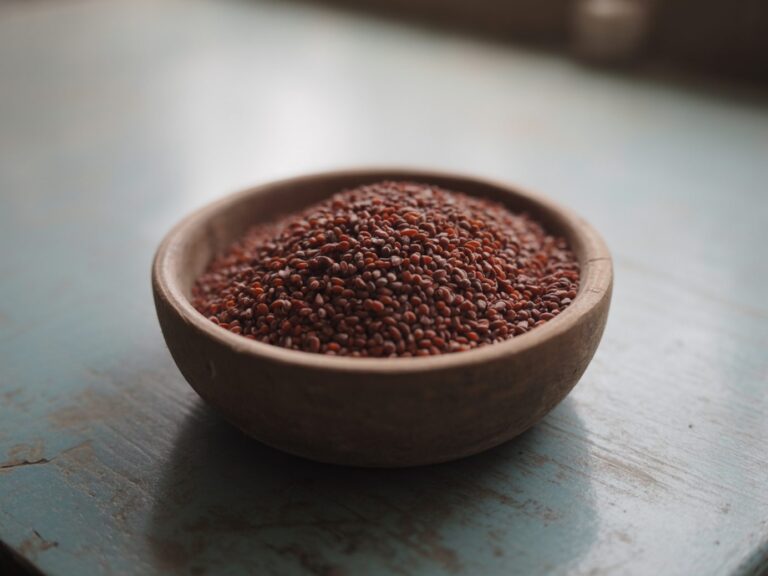
- Whole dry sorghum berries will pop in a hot skillet just like popcorn, though the kernels are tiny — roughly the size of a sesame seed.
- Some sorghum varieties contain a kafirin protein matrix surrounding the starch granules, which slows starch digestion compared to wheat starch — a potential benefit for blood-sugar management.
- In parts of Africa and Asia, sorghum is fermented to make traditional opaque beers such as African sorghum beer, and craft brewers in the US use it to produce gluten-free beers.
- The US grows sorghum mostly as livestock feed and ethanol feedstock, but human consumption is rising as gluten-free and ancient-grain interest has surged.