Parsnip
Parsnips are the underrated root vegetable that brings a sweet, nutty depth to everything from Sunday roasts to silky purées.
In a nutshell
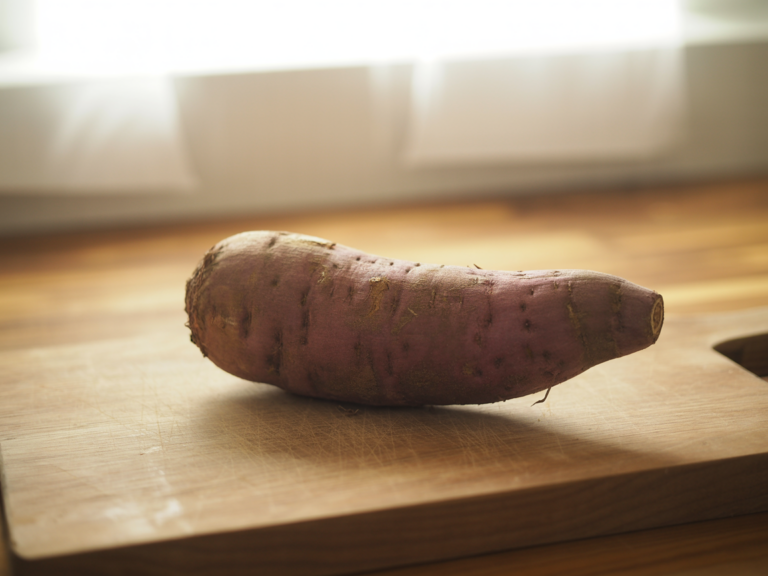
The parsnip is a creamy-white root vegetable with a flavor that sits somewhere between a carrot and a sweet potato — earthy, mildly sweet, and faintly nutty. It shines when roasted, which caramelizes its natural sugars into something almost candy-like. Hardy and versatile, it’s a cold-weather staple that deserves far more spotlight than it gets.
Nutrition
≈ 10 Calories and 0g fat per tablespoon.
Parsnips are a surprisingly fiber-rich root, delivering around 3.6 grams of fiber per 100g serving — a meaningful contribution toward digestive health and satiety. Most of their calories come from complex carbohydrates, making them a steady energy source rather than a quick sugar spike. They’re a solid source of folate, which supports cell growth and is especially important during pregnancy, along with vitamin C for immune support and potassium to help balance blood pressure. Despite being starchy and satisfying, they’re virtually fat-free and surprisingly low in sodium. Nutrition per 100g via Spoonacular.
Culinary uses & pairings
Parsnips are at their absolute best when roasted at high heat — toss them in olive oil and honey at around 425°F (220°C) and they caramelize into tender, golden wedges with crispy edges. They’re a beloved addition to pot roasts, braises, and vegetable sheet pans, soaking up surrounding flavors while holding their shape. Cube them into soups and stews where they’ll melt into the broth and add natural body and sweetness.
For a more refined preparation, boil and purée parsnips with butter and cream for a silky side that pairs beautifully with roast meats or pan-seared fish. They can also be spiralized or shaved raw into slaws and salads for a slightly sweet, earthy crunch, thinly sliced and fried into chips, or grated into muffins and quick breads the same way you’d use carrots or zucchini.
Pairs well with
Substitutions
Buying & storage
Look for parsnips that are firm, smooth, and fairly uniform in size — medium ones around 6 to 8 inches long tend to be the most flavorful and easiest to work with. Avoid any that are limp, shriveled, or have soft spots, which signal age or poor storage. Very large parsnips can develop a woody, fibrous core in the center that you’ll want to cut out before cooking. Smaller, younger roots are typically more tender and sweet. You’ll find the best parsnips at farmers markets in fall and winter, which is when cold temperatures actually convert their starches to sugars and intensify their flavor.
Varieties
- Hollow Crown: The classic heirloom variety and still one of the most common; long, smooth roots with excellent sweet flavor and good texture for roasting or puréeing.
- Harris Model: A reliable variety with straight, uniform roots that are easy to peel; mild, sweet flavor and a tender core make it a great all-purpose choice.
- Gladiator: A popular hybrid known for smooth skin and consistent shape; slightly earlier to mature and holds up well in soups and stews.
- Tender and True: An heirloom variety prized for its long roots and minimal woody core; particularly good for purées and mashes where texture really matters.
Recipes using parsnip
12 recipes across our recipe sites use parsnip. A few favorites:
Cooking with parsnip tonight?
Find parsnip recipes that match your diet — keto, high-protein, vegan, under 30 minutes — and build a shopping list in one tap.
History & origin
The parsnip has been cultivated in Europe since at least ancient Roman times, where it was valued both as food and medicine. Before sugar cane and beet sugar became widely available, parsnips were one of the primary sweeteners in European cooking — used in cakes, jams, and wines. They were a dietary staple across Britain and northern Europe through the Middle Ages and were among the vegetables brought to North America by early European settlers in the 1600s. Their popularity faded somewhat in the 19th century as the potato took center stage, but parsnips have never truly disappeared from traditional British, Irish, and Scandinavian cooking, and they’re enjoying a well-deserved renaissance among home cooks who appreciate their complex, warming flavor.
How it’s made
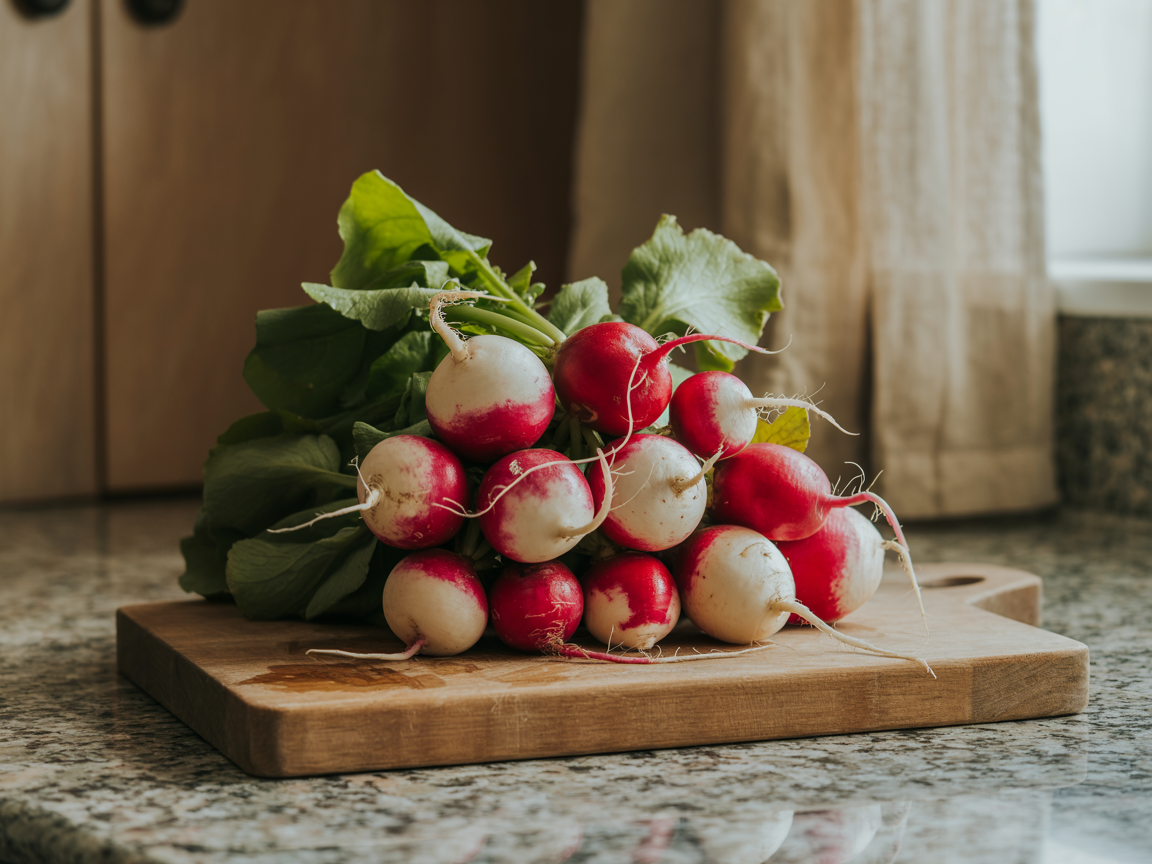
Parsnips are a biennial root vegetable (Pastinaca sativa) grown as an annual cool-season crop. Seeds are direct-sown in early spring into deep, loose, well-drained soil, since the long taproot needs room to develop without obstruction. They’re notoriously slow to germinate — sometimes taking up to three weeks — and gardeners often sow radish seeds alongside them as row markers. The plants grow through the warmer months and are typically harvested in fall and early winter. Crucially, parsnip flavor improves dramatically after the first frost, which triggers the conversion of starches into sugars; many farmers deliberately leave them in the ground until after a freeze for peak sweetness. Commercial growing is concentrated in the UK, northern Europe, and the northern United States, where the climate naturally suits them.
Good to know
- In medieval Europe, parsnips were commonly used as a sweetener in desserts and baked goods before refined sugar became affordable and widely available.
- Parsnip seeds lose viability quickly — always buy fresh seed each year if you’re growing your own, since year-old seed can have very poor germination rates.
- The wild parsnip (Pastinaca sativa) is considered an invasive weed across much of the US, and its sap can cause severe skin burns when combined with sunlight — a reaction known as phytophotodermatitis.
- Parsnips were prized in ancient Rome, and Roman sources record them being brought from the Germanic regions, where the cold climate produced particularly sweet roots; however, the specific claim that Emperor Tiberius imported them annually is of uncertain historical reliability.
- Despite looking like a pale carrot, parsnips are more closely related to parsley — both belong to the Apiaceae family, which is sometimes called the carrot or parsley family.