Veal (Calf)
Veal’s delicate flavor and buttery tenderness make it one of the most elegant proteins a home cook can bring to the table.
In a nutshell
Veal is the meat of young cattle, prized for its pale color, fine-grained texture, and mild, subtly sweet flavor. It absorbs sauces and aromatics beautifully, making it a staple of French and Italian cuisine. Lean yet tender, it cooks quickly and rewards careful, attentive technique.
Nutrition
≈ 19 Calories and 0.9g fat per tablespoon.
Veal is a high-protein, relatively lean red meat, delivering roughly 20 grams of protein per 100 grams with a modest calorie count that compares favorably to many cuts of beef. Its fat profile includes monounsaturated fats alongside saturated fat, which is present in moderate amounts. Veal is a meaningful source of B vitamins—especially B12, niacin, and B6—which support nerve function and energy metabolism. It also provides zinc, phosphorus, and selenium, important for immune health and antioxidant defense. Because the animals are young, the iron is present in the highly bioavailable heme form, making veal a practical choice for those watching iron intake without loading up on calories. Nutrition per 100g via Spoonacular.
Culinary uses & pairings
Veal’s thin, tender cuts—especially the scallopini and cutlets—are ideal for quick pan-sauté preparations like the Italian classic piccata (with lemon and capers) or saltimbocca (with prosciutto and sage). Because the meat is so mild, it acts almost like a canvas: a brief sear, a pan sauce built from the fond, and dinner is on the table in under 20 minutes. Veal chops respond beautifully to a simple herb crust and a hot oven or grill.
For slower cooking, bone-in veal shanks (osso buco) braise into fork-tender, gelatinous perfection thanks to the collagen-rich bones of a young animal. Ground veal is a traditional component of Italian-American meatball and meatloaf blends, lending a lighter texture and subtle sweetness. Veal stock, made from the knuckle bones, is the foundation of classic French sauces like demi-glace because the young bones yield an exceptionally gelatin-rich stock.
Pairs well with
Substitutions
Buying & storage
Look for veal with a pale pink to ivory color—the lighter the color, the younger and more milk-fed the animal, which generally signals the most delicate flavor. Avoid cuts that appear grayish or show excessive liquid in the package, both signs of age or poor handling. For cutlets and scallopini, choose pieces of even thickness (about ¼ inch) so they cook uniformly, or plan to pound them yourself. At a butcher counter, ask about humanely raised or pasture-raised veal, which is increasingly available and addresses welfare concerns some shoppers have about traditional veal production.
Cuts and Types
- Milk-Fed (Formula-Fed) Veal: The palest, most tender veal, raised on a milk or milk-substitute diet; prized in classic French and Italian kitchens for its delicate flavor.
- Rose (Pasture-Raised) Veal: Slightly pinker from access to pasture and forage; richer flavor than milk-fed but still far milder and more tender than beef.
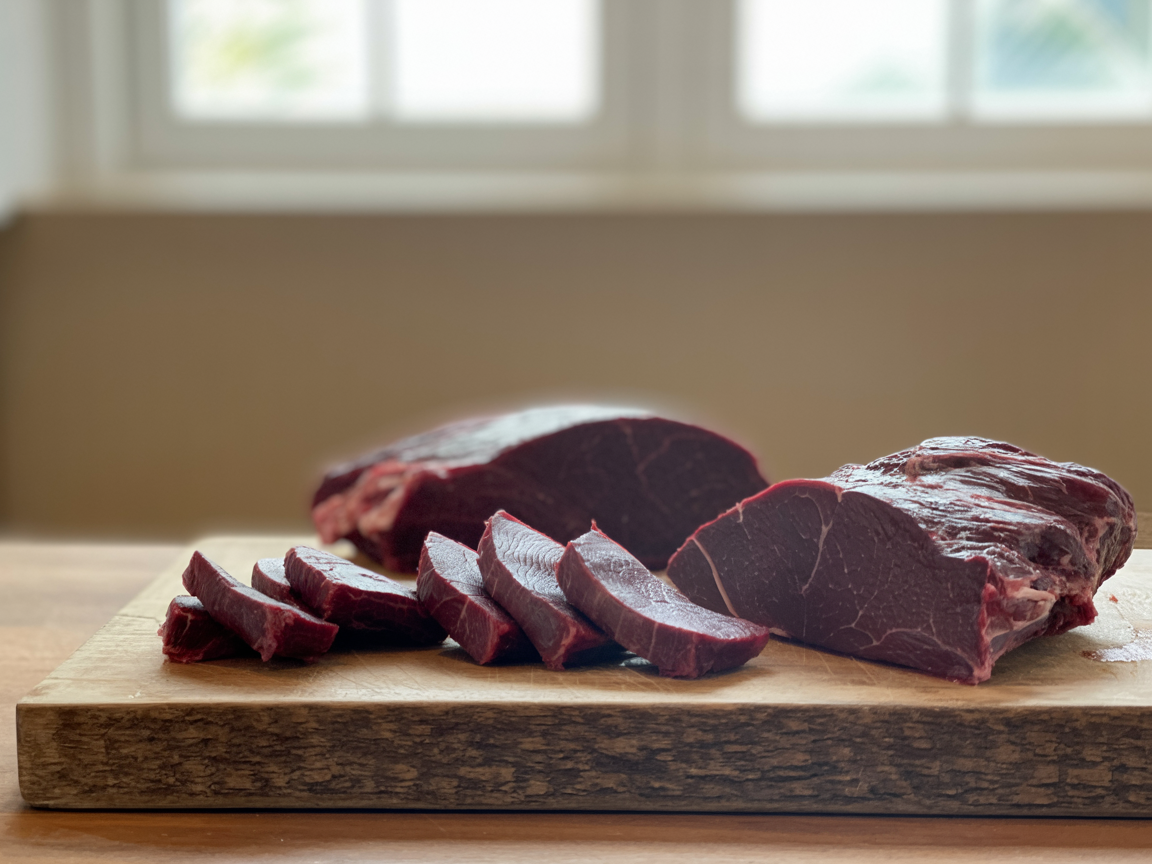
- Scallopini / Cutlets: Thin slices from the leg, ideal for quick sautéing; the quintessential cut for piccata, saltimbocca, and Wiener Schnitzel.
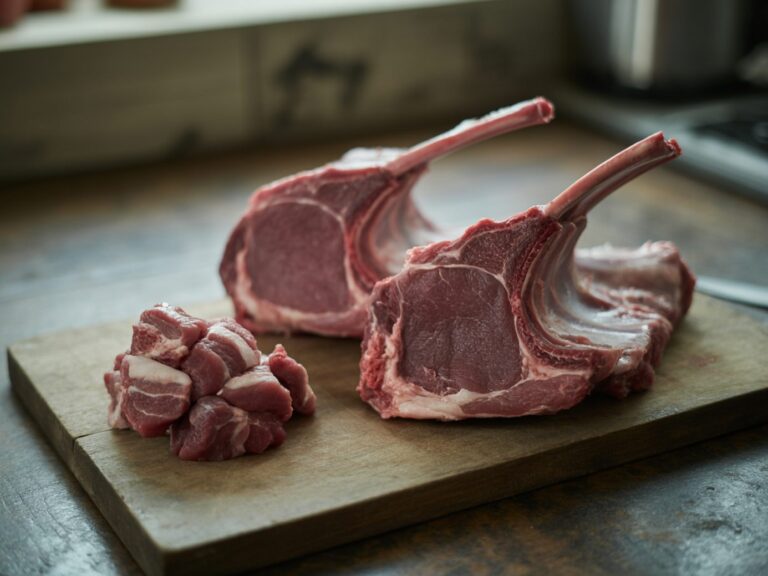
- Veal Chops: Rib or loin chops with a delicate bone; excellent grilled or pan-roasted and finished with a simple herb butter.
- Osso Buco (Cross-Cut Shank): Bone-in shank rounds rich in collagen; the classic braising cut that yields luxuriously gelatinous sauce and a marrow-filled center bone.
- Ground Veal: Used in meatball blends, stuffed pastas, and meat sauces to add lightness and a subtle sweetness alongside pork or beef.
Recipes using veal
21 recipes across our recipe sites use veal. A few favorites:
Cooking with veal tonight?
Find veal recipes that match your diet — keto, high-protein, vegan, under 30 minutes — and build a shopping list in one tap.
History & origin
Veal has been eaten since antiquity—the Roman culinary text Apicius included elaborate veal recipes, and the meat held a place of prestige throughout medieval European banquets. In the 19th and early 20th centuries, classic French haute cuisine elevated veal to the cornerstone of its sauce tradition, with chefs relying on veal bones for the gelatin-rich stocks that underpinned everything from velouté to demi-glace. Italian-American cooks brought dishes like veal parmigiana and piccata to the United States, where veal became synonymous with fine dining through much of the 20th century. Consumer concerns about animal welfare practices in the 1980s caused demand to drop sharply, but the rise of humanely raised, pasture-based rose veal has sparked a quiet revival among home cooks who want an elegant, lean protein with real culinary tradition behind it.
How it’s made
Veal comes from male calves of dairy breeds—primarily Holstein—that are not kept for milk production. Traditional milk-fed (or formula-fed) veal is raised in carefully managed indoor environments on a diet of milk or milk-substitute formula, which produces the characteristic pale color and fine texture. Rose or pasture-raised veal allows the calves access to outdoor space and a mixed diet including forage and grain; this results in a slightly pinker, more flavorful meat. Milk-fed veal calves are typically slaughtered between 16 and 18 weeks of age, when the muscle fibers are still fine-grained and the connective tissue has not yet toughened; rose veal calves may be raised somewhat longer, up to 35 weeks. After slaughter, the carcass is chilled rapidly and the meat is typically sold fresh or aged briefly; the bones—especially the knuckles—are prized separately for stock production.
Good to know
- Veal bones contain significantly more collagen per pound than adult beef bones, which is why professional kitchens have relied on them for centuries to make rich, gelatinous stocks.
- Wiener Schnitzel, Austria’s national dish, is traditionally made with veal cutlet—not pork—pounded paper-thin, breaded, and pan-fried in clarified butter or lard.
- The word veal traces to the Old French veel and Latin vitellus, meaning ‘little calf,’ the same root that gives us the Italian vitello.
- Rose veal raised on pasture tends to have a fatty-acid profile with modestly higher omega-3 levels than conventional milk-fed veal, in a way broadly comparable to the difference seen between grass-fed and grain-fed beef.
- A single veal shank for osso buco typically weighs 12 to 16 ounces (340–450g) and contains enough natural gelatin to enrich its own braising liquid without any added starch.