Yellow Wax Beans
Yellow wax beans bring a mild, buttery sweetness to the table that makes them one of summer’s most underrated garden treasures.
In a nutshell
Yellow wax beans are simply a pale-podded variety of common green bean, bred to have a creamy yellow color and a slightly more delicate, buttery flavor. They cook quickly, hold their shape well, and work beautifully in everything from a quick weeknight side dish to a tangy summer pickle. Their mellow taste makes them especially appealing to picky eaters who find green beans a bit too grassy.
Nutrition
≈ 5 Calories and 0g fat per tablespoon.
Yellow wax beans are a genuinely low-calorie vegetable with almost no fat, making them a smart choice when you’re trying to add volume and nutrition without many calories. They deliver a solid hit of vitamin C and vitamin K, both important for immune function and bone health respectively. They also provide meaningful amounts of folate and manganese, and their modest fiber content supports healthy digestion. The near-zero sodium level means they’re a naturally heart-friendly ingredient right out of the garden. Nutrition per 100 g.
Culinary uses & pairings
Yellow wax beans shine as a simple side dish — blanched until just tender and tossed with a little butter, lemon zest, and flaky salt, they need almost nothing else. They’re equally at home sautéed in olive oil with garlic and a pinch of red pepper flakes, or steamed and served cold in a Niçoise-style salad where their pale color creates a lovely contrast against darker olives and greens.
Their firm texture makes them excellent for pickling; a quick bread-and-butter or dill brine preserves that satisfying snap and adds a tangy pop to charcuterie boards and relish trays. They can also be worked into soups, stews, and casseroles much the same way you’d use green beans, though their paler color will fade with extended cooking, so add them toward the end for the best visual appeal.
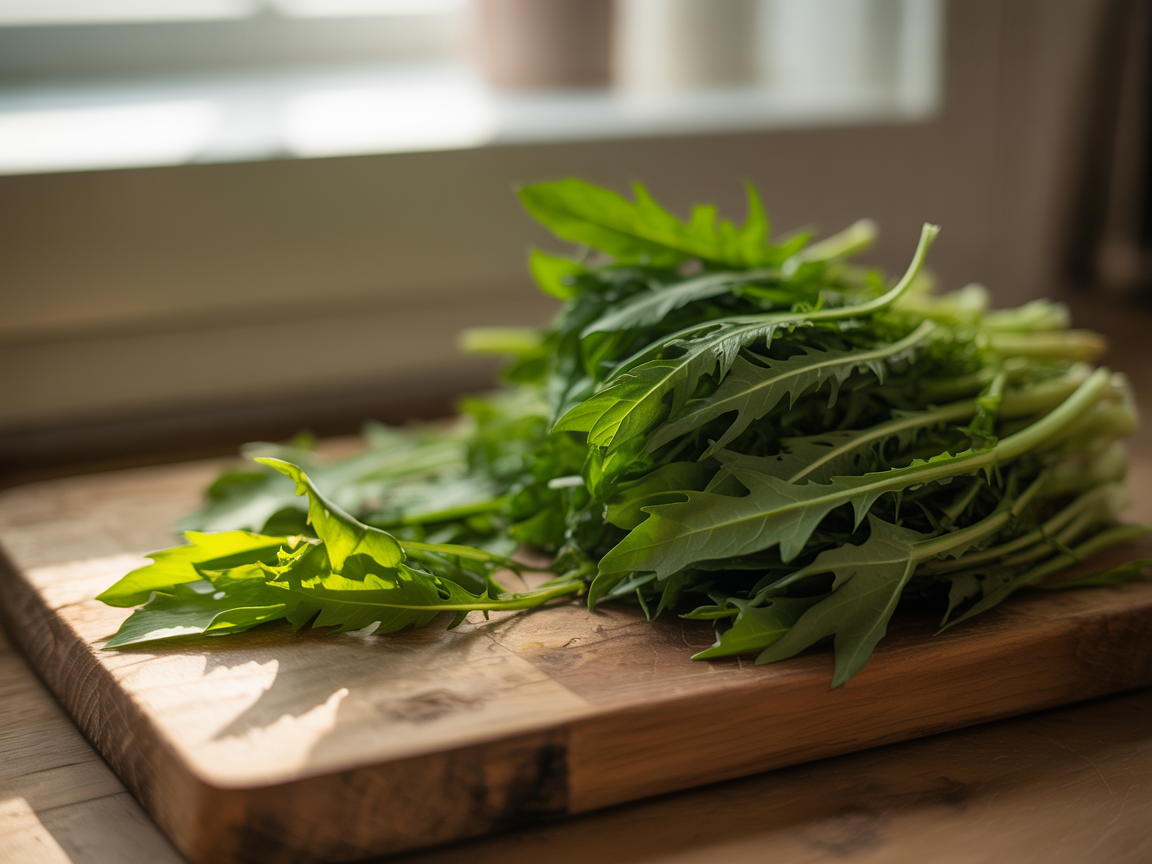
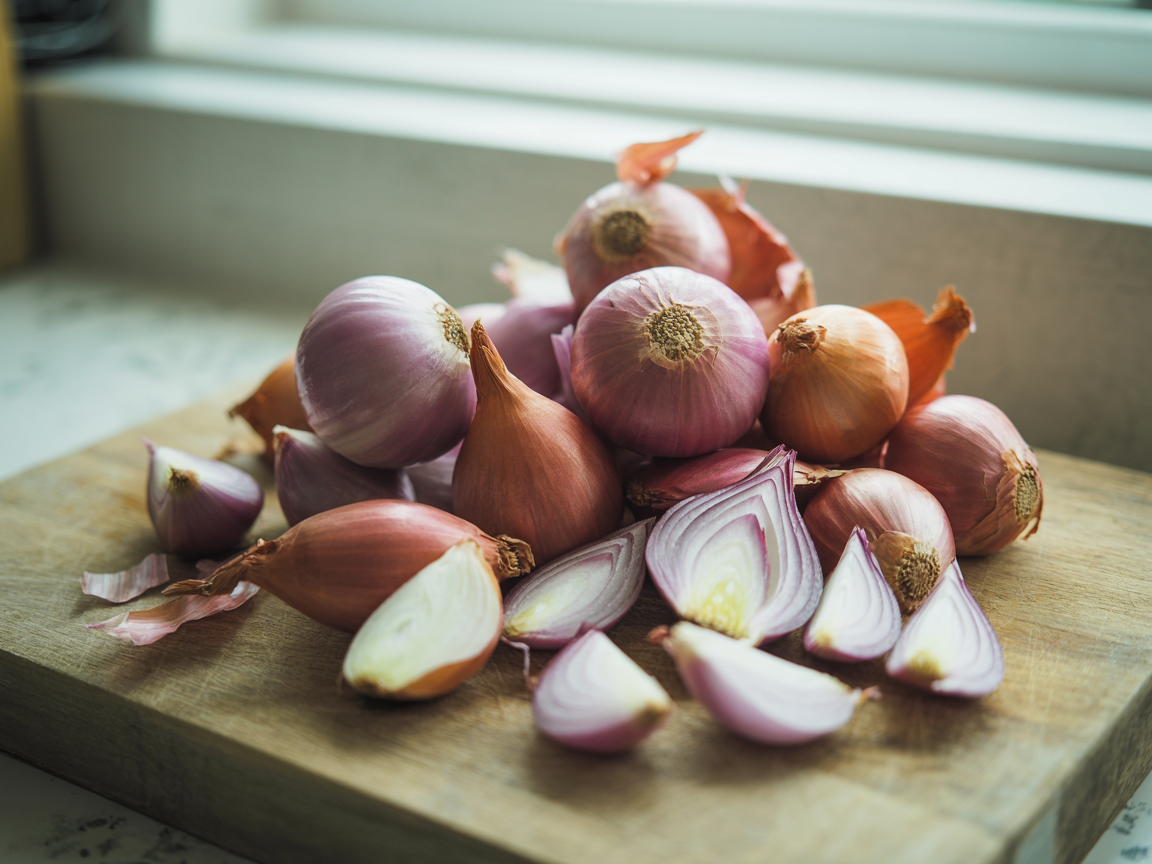
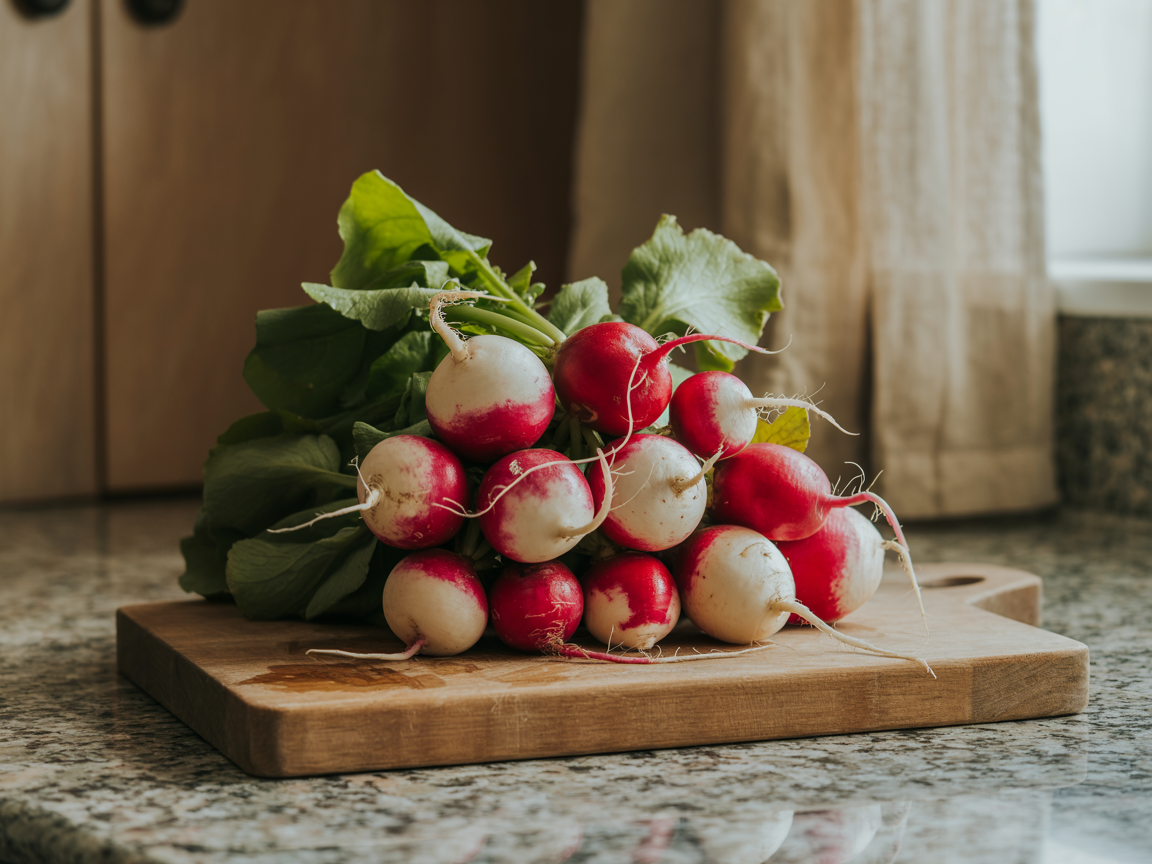
Pairs well with
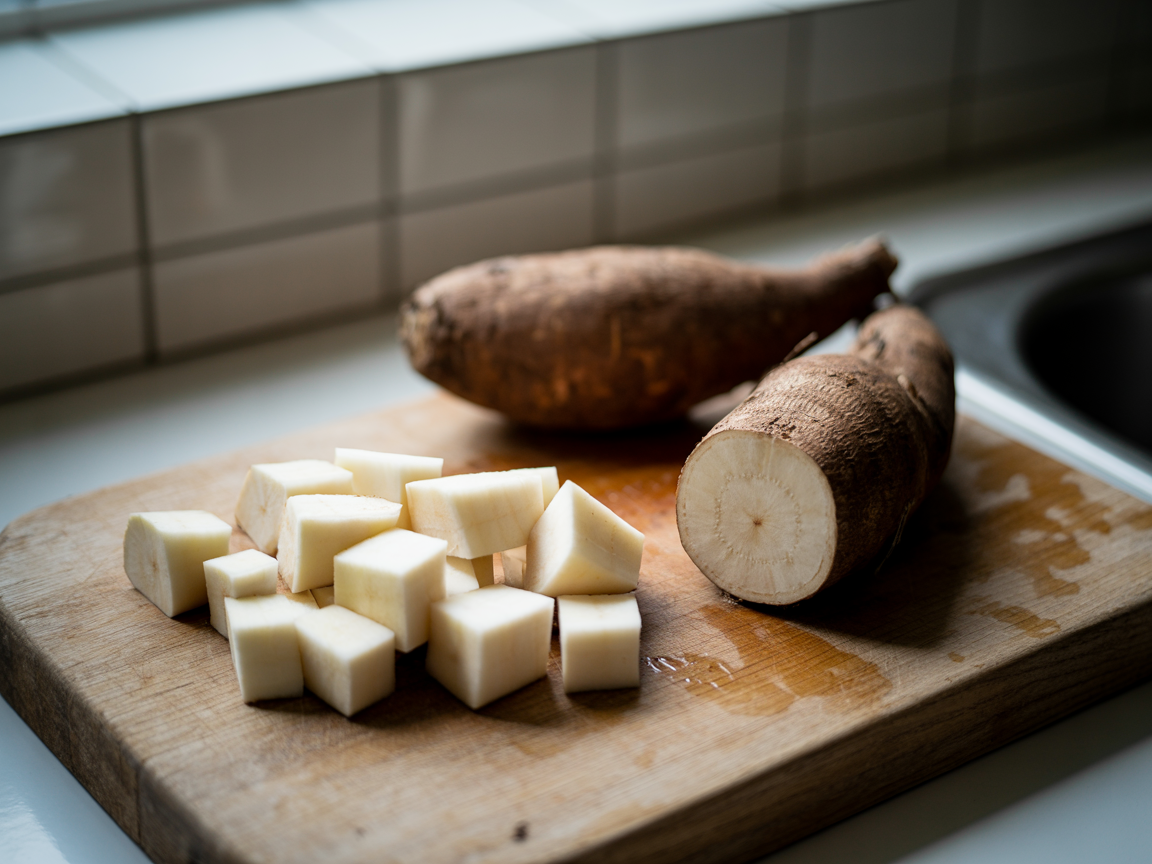
Substitutions
Buying & storage
Look for pods that are firm, smooth, and bright yellow without any brown spots, wrinkling, or limpness — those are signs the beans are past their prime. The pods should snap crisply and cleanly when bent; a rubbery bend means they’ve been sitting too long. Smaller, thinner pods tend to be more tender and flavorful than very large ones, which can be fibrous and starchy. At farmers markets in summer you’ll often find them freshest, but grocery store wax beans are perfectly good when they look plump and dry rather than damp or shriveled.
Varieties
- Pencil Pod Golden Wax: A classic heirloom variety with slender, round pods and a clean, buttery flavor; one of the most widely grown.
- Cherokee Wax: Produces thick, straight pods that are especially crisp and hold up well to pickling and canning.
- Dragon Tongue: A striking Dutch heirloom with yellow pods streaked in purple; mild and tender, best eaten fresh or lightly cooked.
- Rocdor: A French variety prized for its long, slender, stringless pods and reliably sweet flavor; a favorite at specialty markets.
Recipes
We do not have recipes featuring yellow wax beans in our collection just yet — but you can discover thousands of recipes, filtered to your diet and your pantry, over at Tucker Finder.
Find your next recipe
Discover thousands of recipes — matched to your diet, your pantry, and your schedule — and build a shopping list in one tap.
History & origin
Yellow wax beans are a cultivated variety of Phaseolus vulgaris, the common bean, which was first domesticated thousands of years ago in Mesoamerica and South America. Beans were already widely grown by Indigenous peoples across North America long before European contact; colonists encountered them and incorporated them into their agriculture, and selective breeding over centuries produced pod colors ranging from the familiar green to purple, speckled, and pale yellow. The term ‘wax bean’ refers to the smooth, waxy sheen of the pod rather than any wax content. By the 19th century, yellow wax varieties were popular in American kitchen gardens both for their ornamental appearance and for the perception — accurate or not — that they were more tender and less fibrous than green-podded types. They remain a staple of summer farmers markets and home vegetable gardens across the United States.
How it’s made
Yellow wax beans are grown much like any bush or pole bean — seeds are direct-sown into warm soil after the last frost, ideally when soil temperatures reach at least 60°F (16°C). Bush varieties mature in roughly 50 to 60 days and don’t require staking, making them a favorite for home gardens. The pale yellow color comes from a natural reduction in chlorophyll during pod development, a trait that has been selectively bred and stabilized over generations. Pods are harvested by hand when they’re young and tender, usually before the seeds inside swell noticeably, since older pods become tough and starchy. Commercial growers in states like Wisconsin, Oregon, and New York supply much of the US market, with peak season running from mid-summer through early fall.
Good to know
- Despite their different color, yellow wax beans and green beans are the same species — the color difference is entirely due to chlorophyll levels in the pod.
- The name ‘wax bean’ comes from the smooth, glossy sheen of the pod, not from any actual wax content.
- Yellow wax beans were a prized canning vegetable in the early 20th century because their pale color stayed more visually appealing in jars than darker beans.
- Dragon Tongue’s striking purple streaks fade significantly when cooked, though the pods shift toward green and yellow rather than turning entirely one color.
- Bush-type wax beans are one of the fastest vegetables a home gardener can grow from seed to harvest, often ready to pick in under two months.