Kamut
Kamut is an ancient grain with a rich, buttery flavor that makes every bowl feel like something special.
In a nutshell
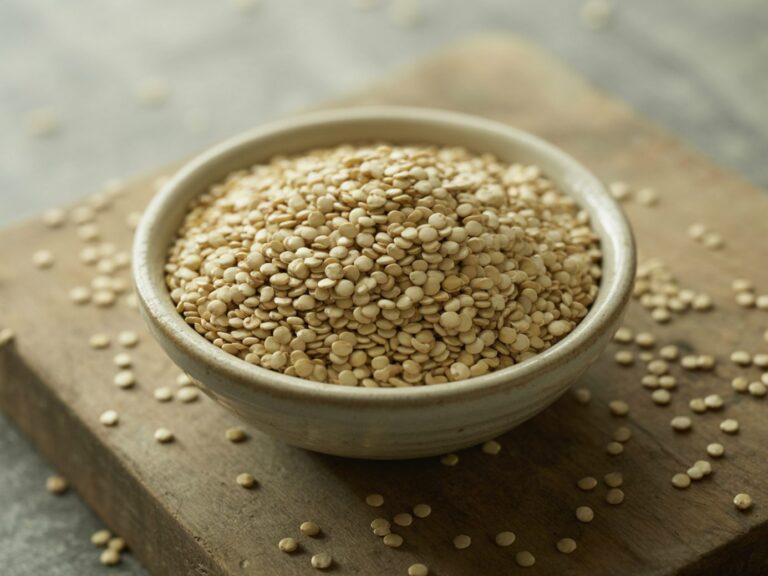
Kamut is the trademarked brand name for Khorasan wheat, an ancient grain with large, amber kernels and a naturally sweet, buttery taste. It has never been hybridized or genetically modified, so it retains the nutritional profile of wheat as it existed thousands of years ago. Home cooks love it as a chewy, satisfying swap for rice or farro in hearty dishes.
Nutrition
≈ 45 Calories and 0.3g fat per tablespoon.
Kamut punches well above its weight nutritionally. Its roughly 14–15 grams of protein per 100 grams (cooked) outpaces many common grains, making it a meaningful plant-based protein source. The substantial fiber content supports digestive health and helps keep you fuller longer. Kamut is also a notable source of selenium, an antioxidant mineral, along with zinc, magnesium, and B vitamins like niacin and thiamine that support energy metabolism. Its fat content is modest and skews toward polyunsaturated and monounsaturated fats, with very little saturated fat. Some research suggests that people with mild wheat sensitivities may tolerate Kamut better than modern wheat, though it absolutely contains gluten and is not safe for those with celiac disease. Nutrition per 100g via Spoonacular.
Culinary uses & pairings
Cooked Kamut berries bring a satisfying, al dente chewiness to grain bowls, salads, and pilafs. Toss them warm with roasted vegetables and a lemon vinaigrette, or stir them into a hearty soup or stew in place of barley — they hold their texture beautifully even after long simmering.
Kamut flour, milled from the same grain, can replace all-purpose or whole-wheat flour in breads, pancakes, pasta, and baked goods. It has a slightly higher fat content than standard whole-wheat flour, which contributes a tender, almost rich crumb. Because it produces a more extensible but less elastic dough than high-gluten bread flour, it works best blended with a stronger-gluten flour for yeast breads, but it shines on its own in quick breads and cookies.
Pairs well with
Substitutions
Buying & storage
Look for Kamut in the bulk bins or natural foods aisle of well-stocked grocery stores, co-ops, and health food shops, or order it online. The grain is sold as whole Kamut berries (best for cooking whole) or milled into flour. Because the Kamut trademark requires certified organic, non-GMO grain, any product labeled Kamut® is held to those standards by default — a useful quality signal. Choose berries that are plump, uniformly amber in color, and free of any musty or rancid smell.
Grades
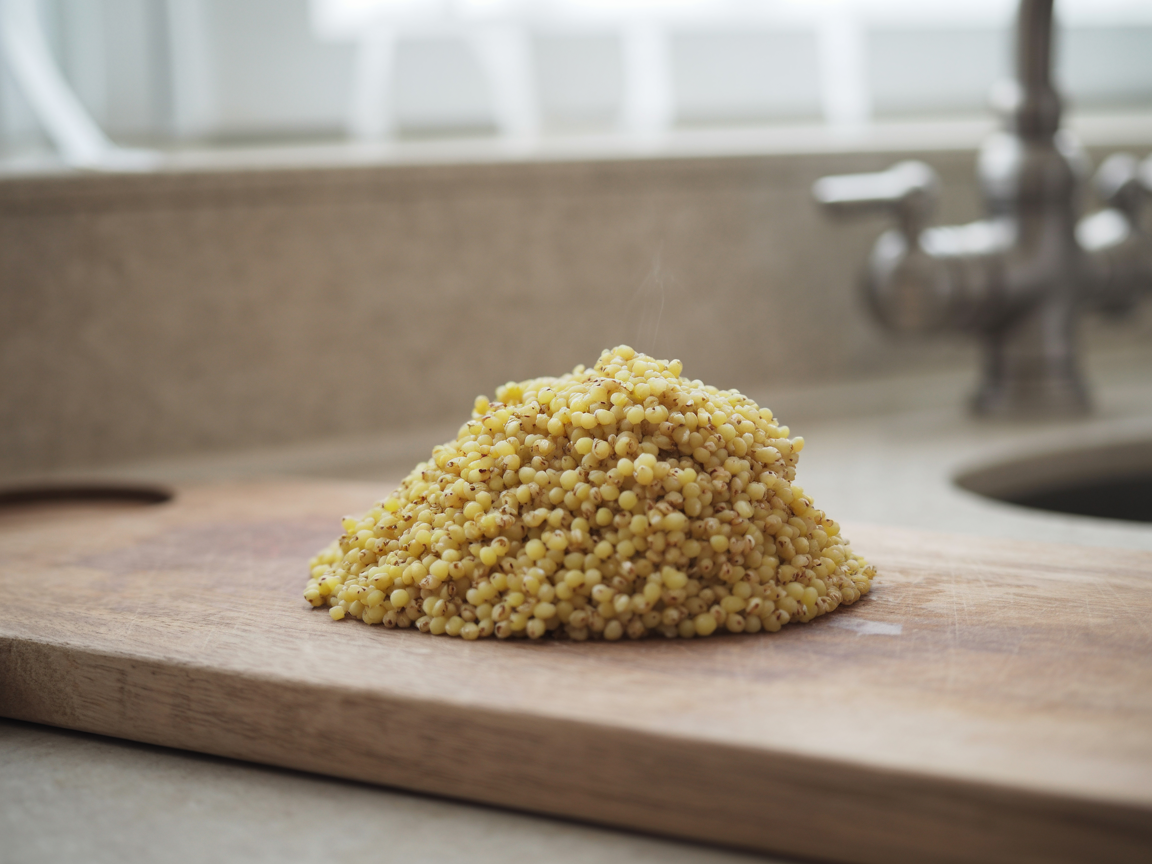
- Kamut® Khorasan Wheat Berries: The whole, minimally processed grain. Requires soaking and longer cooking but delivers the fullest nutrition and chewy texture.
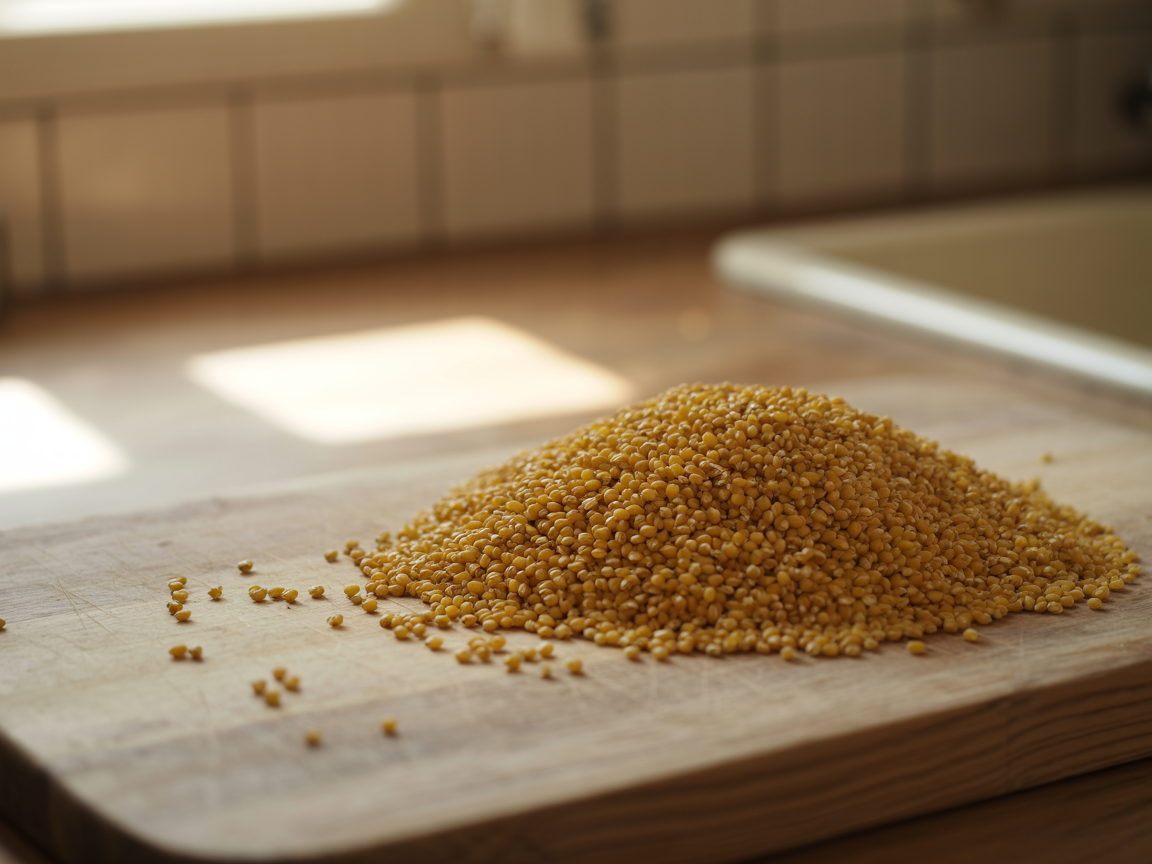
- Kamut® Flour: Stone-ground or roller-milled from the whole grain. Adds a sweet, slightly buttery flavor to breads, pastas, and pastries.
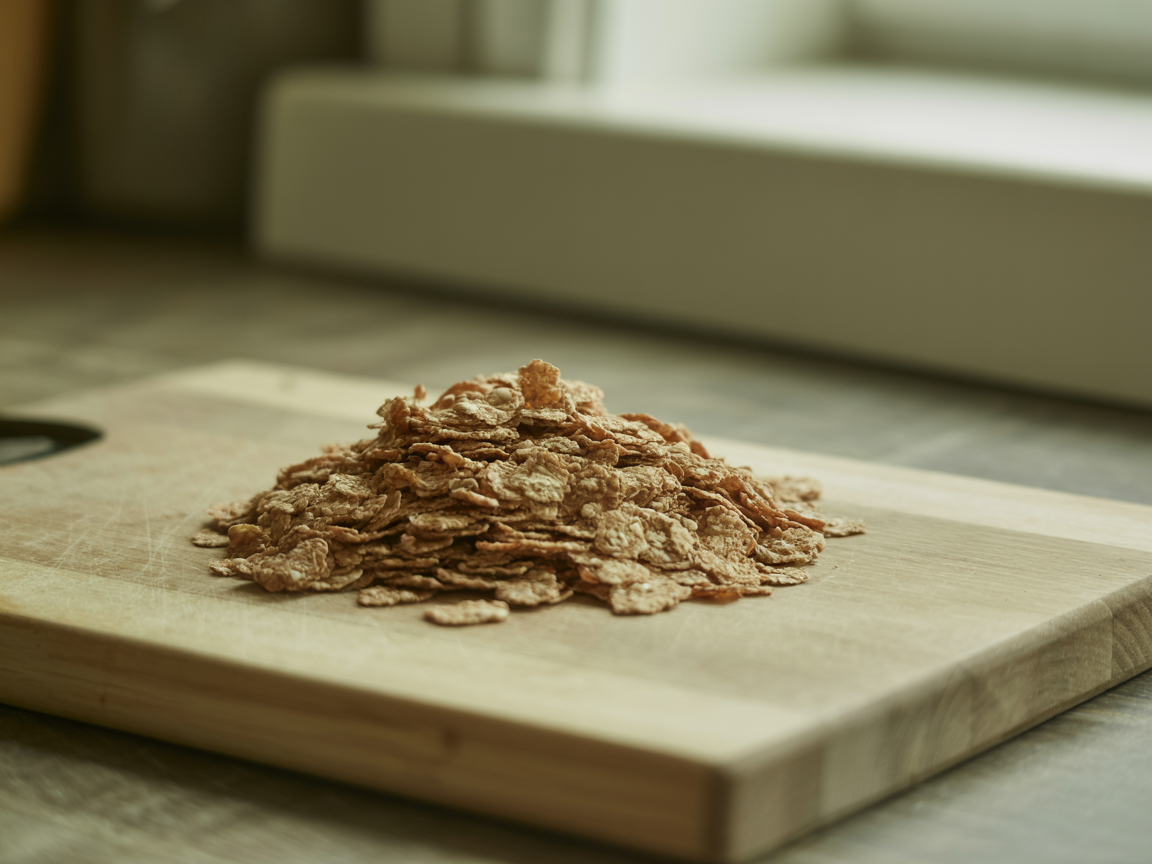
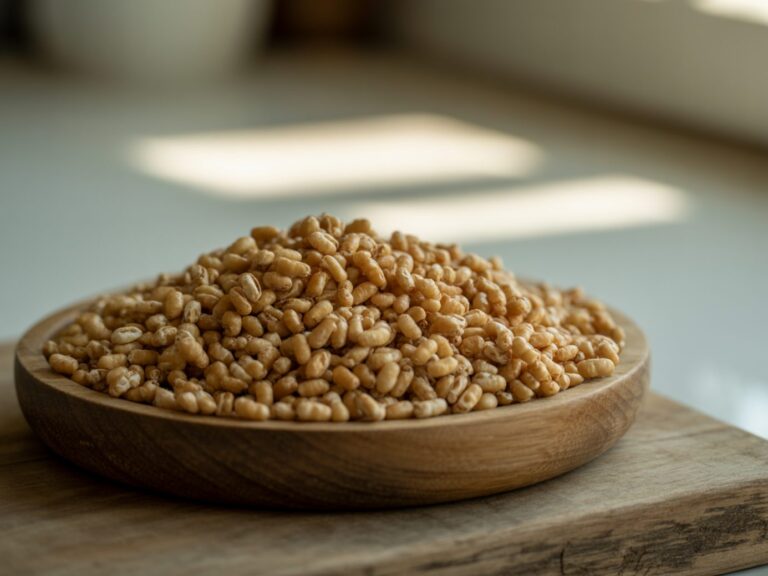
- Kamut® Puffed Cereal: Whole berries that have been heat-puffed into a light breakfast cereal; widely available in natural food stores.
Cooking with kamut tonight?
Find kamut recipes that match your diet — keto, high-protein, vegan, under 30 minutes — and build a shopping list in one tap.
History & origin
Khorasan wheat takes its name from the historical Khorasan region of Persia, roughly modern northeastern Iran and neighboring Central Asia, where it has been cultivated for thousands of years. Archaeological evidence places related ancient wheats in the Fertile Crescent, and a romanticized legend — almost certainly apocryphal — claims that seeds were once found in Egyptian tombs and dubbed ‘King Tut’s wheat.’ In the late 1940s, a handful of kernels reportedly made their way to a Montana farmer, and the grain was grown quietly for decades. In 1990, Montana farmers Bob and Mack Quinn trademarked the name Kamut® (a word drawn from ancient Egyptian, used to mean wheat) and built a certification program ensuring the grain would always be grown organically and never hybridized, deliberately positioning it as a premium, heritage alternative to modern wheat.
How it’s made
Kamut is grown much like other hard wheat varieties, planted in the fall or spring in well-drained fields, though it grows on longer stalks than modern wheat and is somewhat more drought-tolerant. Because the Kamut trademark mandates certified organic production, no synthetic pesticides or fertilizers are used. After harvest, the large kernels — roughly two to three times the size of a modern wheat berry — are cleaned and either sold whole as berries or milled into flour. Stone milling is common for Kamut flour because it preserves more of the bran and germ, retaining the grain’s characteristic flavor and nutrition. No hybridization or genetic modification is permitted under the trademark agreement, keeping the grain genetically close to its ancient form.
Good to know
- Kamut berries are two to three times the size of an ordinary modern wheat berry, making them easy to spot in a bulk bin.
- The trademark rules require all Kamut® grain to be certified organic — so buying Kamut automatically means buying organic.
- Some studies have found that switching to Kamut-based products reduced markers of inflammation and oxidative stress in participants compared to eating equivalent modern wheat products.
- Kamut has a higher selenium content than most other wheat varieties, a mineral many Americans don’t get enough of.
- Despite its ancient origins, Kamut was virtually unknown outside a small circle of specialty growers until the 1990s health food boom brought it to natural grocery store shelves across the US.