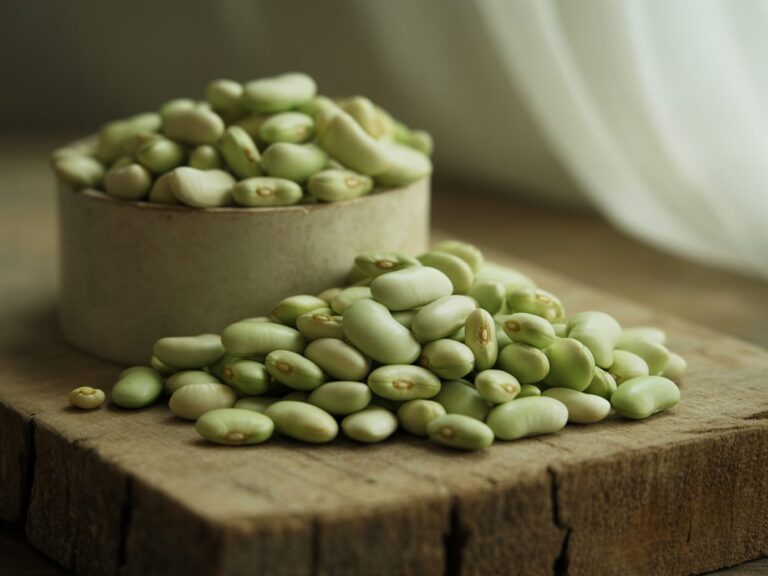
Tarwi (Andean Lupin)
Tarwi is a mighty Andean legume with a creamy texture and impressive protein punch that deserves a spot in every adventurous kitchen.
In a nutshell
Tarwi (Lupinus mutabilis) is a high-protein bean-like legume native to the Andes, prized for centuries by Indigenous peoples of Peru, Bolivia, and Ecuador. After a simple but essential soaking and rinsing process to remove bitter alkaloids, it delivers a mild, nutty flavor and satisfying creamy bite. Think of it as a South American cousin to the fava bean — versatile, nutritious, and quietly making its way into US specialty and health-food stores.
Nutrition
Tarwi is one of the most protein-dense legumes on the planet, with analyses placing its protein content at 38–50% of dry weight — rivaling soy. It’s also rich in healthy unsaturated fats, including oleic and linoleic acids, which sets it apart from most legumes. You’ll get a solid hit of dietary fiber, supporting gut health and satiety, along with meaningful amounts of iron, calcium, zinc, and magnesium. It’s naturally gluten-free and has a low glycemic index, making it a smart choice for people managing blood sugar. The seed also contains quinolizidine alkaloids that must be removed by soaking and washing — once debittered, it’s perfectly safe and nutritious. Nutrition per 100 g.
Culinary uses & pairings
Cooked, debittered tarwi works beautifully in hearty soups and stews — stir it into a tomato-based vegetable soup or a spiced Andean-style locro alongside potatoes and squash. It also shines in grain bowls and salads, tossed with quinoa, fresh herbs, citrus vinaigrette, and roasted vegetables for a protein-packed lunch. Mash it into a chunky dip with garlic, lemon, and olive oil as a South American spin on hummus.
Ground dried tarwi flour can be blended into bread, pancake, or muffin batter to boost protein and add a subtly earthy flavor — swap in up to 20–30% of all-purpose flour without dramatically changing texture. Whole cooked seeds are also excellent pan-fried with spices as a crunchy snack, or blended into plant-based patties and veggie burgers where their dense texture holds together well.
Pairs well with
Substitutions
Buying & storage
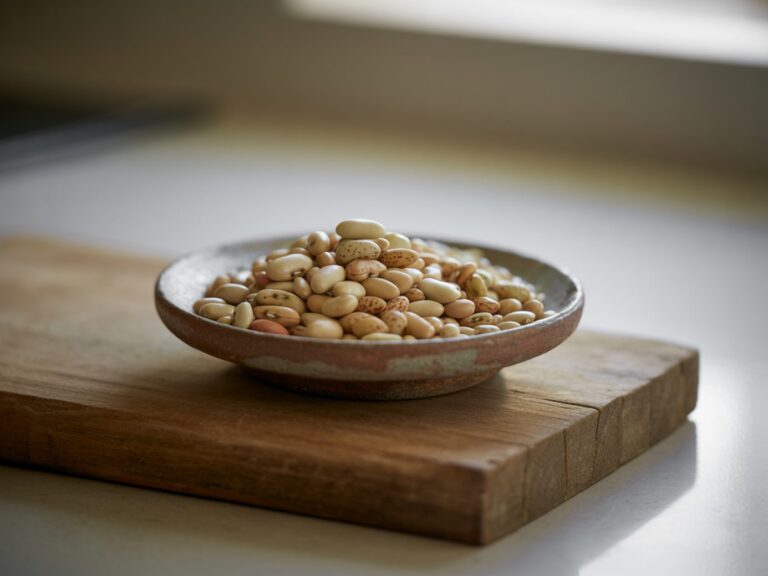
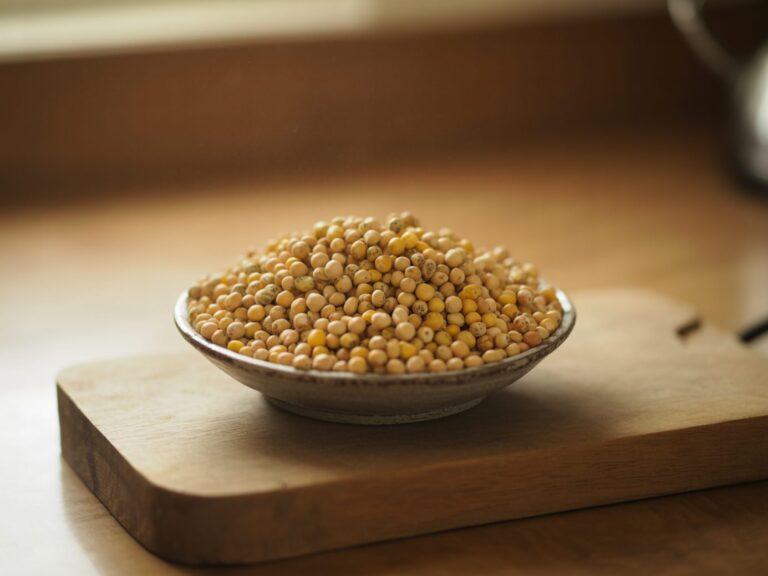
In the US, tarwi is most commonly found as dried whole seeds or tarwi flour at Latin American grocery stores, Andean specialty retailers, and online health-food shops. When buying dried seeds, look for uniformly cream-colored, plump beans free from shriveling, discoloration, or musty smell. Tarwi flour should be fine-textured, pale yellow, and sealed in airtight packaging with a recent production date — check that the label specifies debittered or pre-processed if you want to skip the soaking step at home. Organic options are increasingly available and worth seeking out given the crop’s minimal pesticide requirements.
Varieties
- Lupinus mutabilis (Common Tarwi): The primary cultivated species, grown across Peru, Bolivia, and Ecuador; seeds range from white to mottled brown and vary in alkaloid content by region.
- Sweet Lupin (Low-Alkaloid Lines): Selectively bred varieties with dramatically reduced alkaloid levels, requiring shorter debittering times; increasingly popular in health-food product development.
- Andean White Tarwi: A traditional Peruvian landrace with large, pale seeds and a particularly creamy texture after cooking; favored for fresh eating and salads.
Recipes
We do not have recipes featuring tarwi in our collection just yet — but you can discover thousands of recipes, filtered to your diet and your pantry, over at Tucker Finder.
Find your next recipe
Discover thousands of recipes — matched to your diet, your pantry, and your schedule — and build a shopping list in one tap.
History & origin
Tarwi has been cultivated in the Andean highlands for at least 1,500 to 3,000 years, with archaeological evidence of its use found at pre-Inca sites across Peru and Bolivia. It was a dietary staple of the Tiwanaku and Inca civilizations, valued not only as food but also as a natural fertilizer — tarwi fixes atmospheric nitrogen into the soil, enriching it for companion crops like corn and potatoes. Indigenous communities developed the traditional debittering technique of soaking seeds in running water for several days, a practice still used today. Despite its ancient pedigree and extraordinary nutrition, tarwi largely faded from wider attention after Spanish colonization disrupted Andean food systems. It has experienced a meaningful revival since the late 20th century, driven by food scientists and nutritionists recognizing its potential as a sustainable protein source.
How it’s made
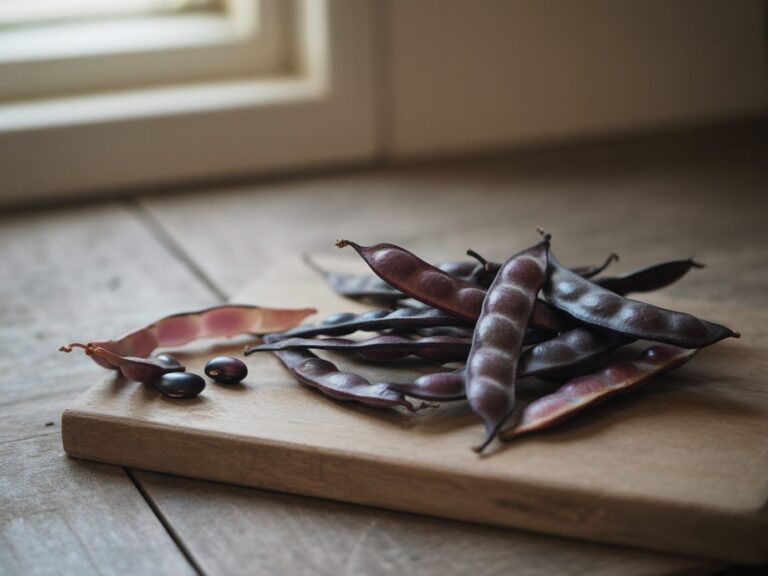
Tarwi is a cool-weather crop that thrives at altitudes between 5,000 and 12,000 feet (roughly 1,500 to 3,700 meters), tolerating frost, poor soils, and dry conditions that challenge most other legumes. The plant grows 3 to 6 feet tall with striking blue-purple flower spikes and produces seed pods containing 3 to 8 seeds each. Seeds are harvested when the pods are dry and mature, then sun-dried for storage. Before eating, dried seeds must be debittered: they’re soaked in water for 12 to 24 hours, boiled, then soaked again in frequently changed or running water for 3 to 5 days until the bitter quinolizidine alkaloids leach out. The result is a mild, creamy, fully edible legume. For flour production, debittered seeds are dried and stone- or roller-milled into a fine powder.
Good to know
- Tarwi seeds can contain up to 50% protein by dry weight in some analyses, placing them among the highest-protein plant foods documented.
- The crop is so effective at fixing nitrogen that Andean farmers traditionally rotated tarwi with potato fields specifically to restore soil fertility.
- Quinolizidine alkaloids in raw tarwi aren’t just bitter — they also act as a natural pesticide, which is why the crop can be grown with very little chemical intervention.
- Tarwi water (the soaking liquid used during debittering) has traditionally been used in the Andes as a natural insecticide for crops.
- The UN Food and Agriculture Organization has identified tarwi as a crop of interest for food security given its resilience to climate stress and strong nutritional profile.