Turnip Greens
Turnip greens are a Southern soul-food staple that pack bold, peppery flavor and serious nutrition into every tender leaf.
In a nutshell
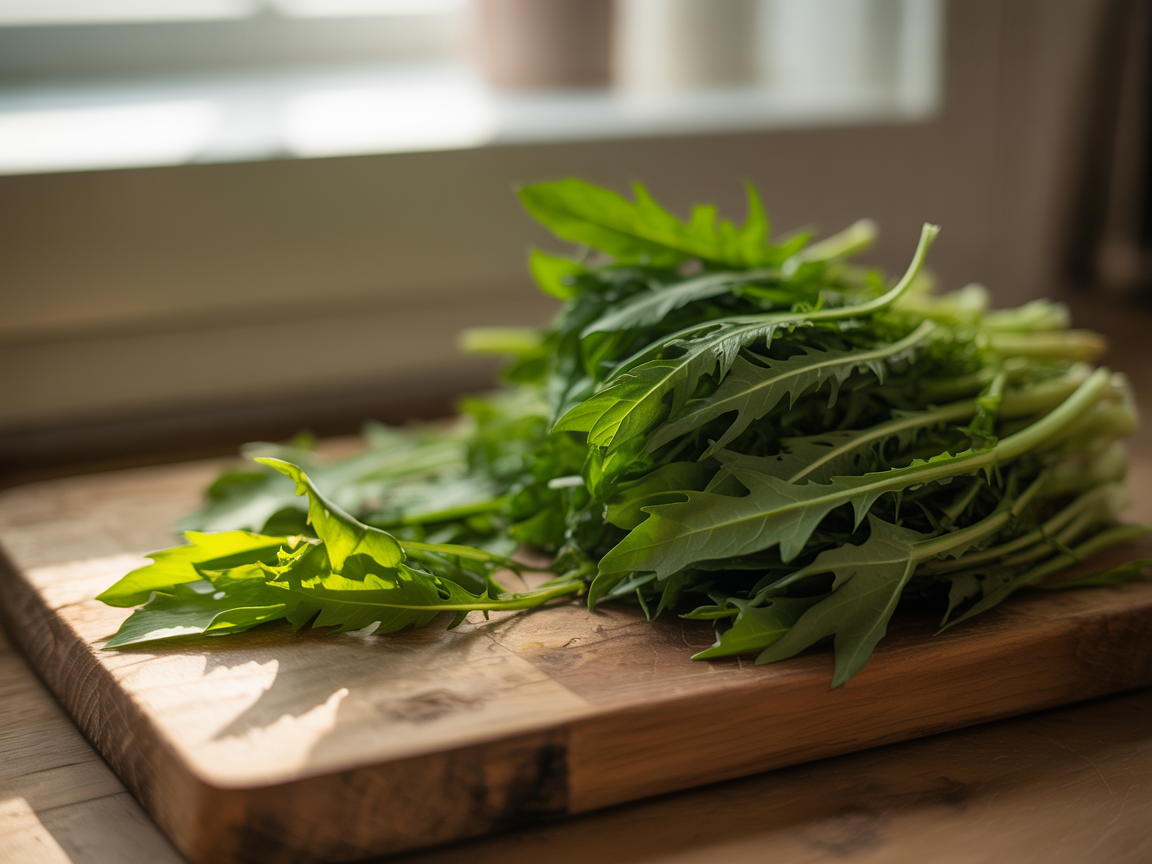
Turnip greens are the leafy tops of the turnip plant, prized in Southern cooking for their slightly bitter, peppery bite. They’re most often slow-braised with smoked pork, but they’re just as good quickly sautéed with garlic and olive oil. Exceptionally low in calories and high in fiber, they’re one of the most nutritious greens you can put on the table.
Nutrition
≈ 4 Calories and 0g fat per tablespoon.
Turnip greens are a nutritional powerhouse hiding behind a modest calorie count. They’re an outstanding source of vitamin K, which supports bone health and proper blood clotting, and they deliver generous amounts of vitamin C and vitamin A (as beta-carotene), both important antioxidants. The greens provide a solid hit of folate, making them especially valuable during pregnancy, along with calcium and manganese for bone support. Their notable fiber content relative to their low calorie load makes them excellent for digestive health and satiety, and like other cruciferous greens, they contain glucosinolates — compounds studied for potential anti-inflammatory and cancer-protective properties. Nutrition per 100g via Spoonacular.
Culinary uses & pairings
The classic American preparation is a long, slow braise: turnip greens are simmered for 30 to 45 minutes with smoked ham hocks, bacon, or fatback until silky and deeply savory. The flavorful pot liquor left behind is treasured in the South — sop it up with cornbread or drink it straight from the bowl. They’re also excellent in bean soups, lentil stews, and slow-cooked pots of field peas where the greens add body and earthy depth.
For a quicker weeknight approach, sauté turnip greens in olive oil with garlic and a pinch of red pepper flakes for about 5 to 7 minutes until just wilted — a splash of apple cider vinegar or lemon juice at the end balances their natural bitterness beautifully. They can also be stirred into pasta, added to grain bowls, blended into a hearty white bean soup, or used anywhere you’d reach for kale or collard greens.
Pairs well with
Substitutions
Buying & storage
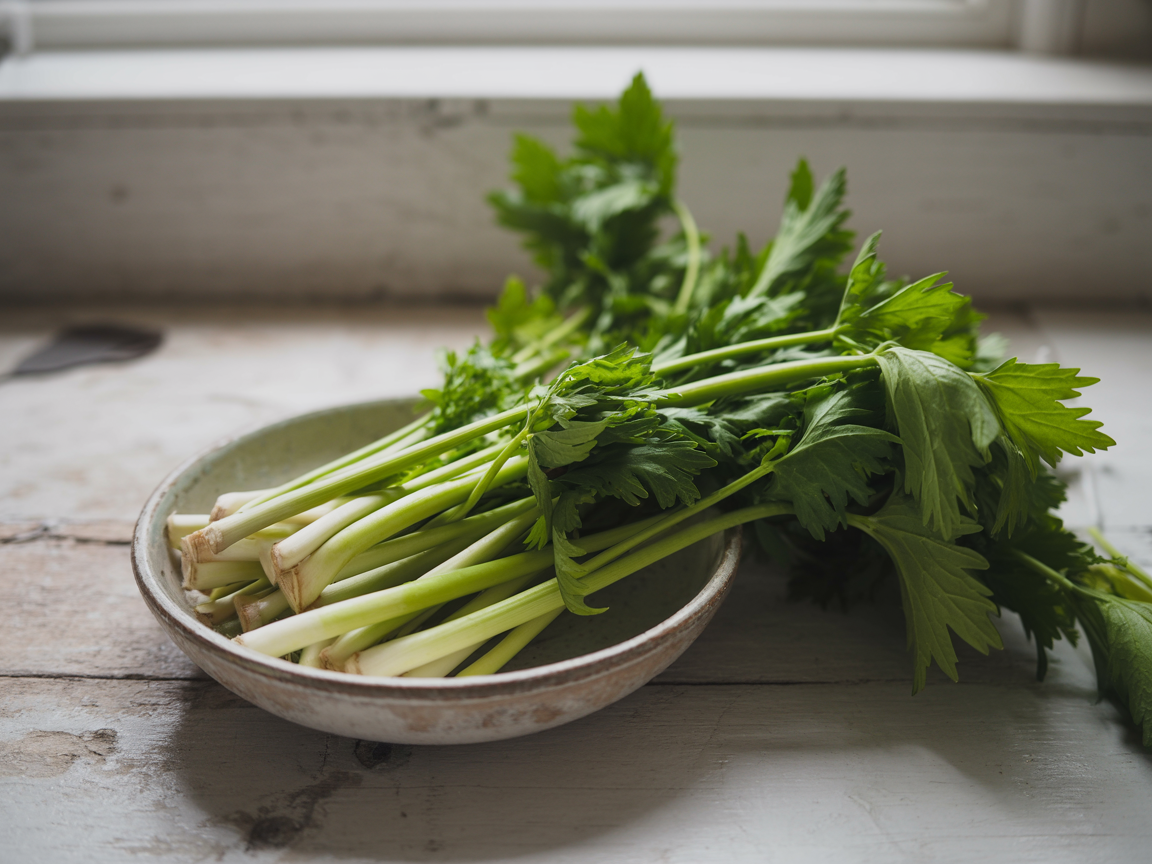
Look for bunches with deep green, firm leaves that show no yellowing, wilting, or slimy spots — these are signs of age. Smaller, younger leaves tend to be more tender and less bitter, while larger, more mature leaves have a stronger flavor that holds up beautifully in long braises. Fresh-cut stems that look moist rather than dried out are a good sign of freshness. At the farmers market, you may find them still attached to small turnip roots, which is a bonus. Frozen turnip greens are a perfectly respectable pantry staple and work wonderfully in long-cooked dishes.
Types
- Standard turnip greens: The leafy tops harvested from common purple-top turnips; bold, peppery flavor and widely available at grocery stores.
- Seven Top turnip greens: A variety grown specifically for its greens rather than the root; produces large, abundant leaves with a classic assertive flavor.
- Shogoin turnip greens: A Japanese-origin variety that produces tender, mildly flavored leaves; great for quick sautés and raw applications.
- Baby turnip greens: Young, small leaves harvested early; noticeably more tender and less bitter, well suited to salads and light sautés.
Cooking with turnip greens tonight?
Find turnip greens recipes that match your diet — keto, high-protein, vegan, under 30 minutes — and build a shopping list in one tap.
History & origin
Turnips have been cultivated for at least 2,000 years across Europe and Asia, with some evidence of use stretching further back, though claims of 4,000 years of deliberate cultivation are not well supported for turnips specifically. In the American South, enslaved Africans played a central role in elevating the greens from a byproduct into a culinary tradition. Turnip roots were among the foods made available to enslaved people, and out of necessity and ingenuity, the greens were transformed into deeply flavorful, slow-braised dishes using smoked pork scraps. That cooking tradition became central to Southern foodways and soul food culture, and turnip greens have remained a beloved comfort food staple across the American South ever since.
How it’s made
Turnip greens are simply the leafy tops of the turnip plant (Brassica rapa), a cool-season crop in the mustard family. They thrive in the mild temperatures of spring and fall, which is why they’re at peak quality from September through April across much of the US. Farmers either grow dual-purpose varieties for both roots and greens or plant dedicated leafy varieties like Seven Top specifically for the tops. The greens are harvested by cutting the leaves before or as the root matures; once temperatures warm significantly in summer, the plant bolts and the leaves turn tough and excessively bitter.
Good to know
- The pot liquor (the liquid left after braising turnip greens) is rich in water-soluble vitamins leached from the leaves — many Southern cooks consider it more prized than the greens themselves.
- Turnip greens are a cool-weather crop, which means a light frost can improve the flavor by converting some of the plant’s starches to sugars.
- They belong to the Brassica family, making them nutritional cousins of broccoli, cabbage, and kale — and sharing many of the same beneficial plant compounds.
- Turnip greens have been a New Year’s Day tradition in the South for generations, eaten alongside black-eyed peas and cornbread to bring health and prosperity in the coming year.
- A single cup of raw turnip greens provides more than 100% of the daily recommended vitamin K for most adults.