Pea
Fresh or frozen peas bring a burst of natural sweetness and vivid green color to almost any dish on your table.
In a nutshell
Peas are small, round legumes harvested from the pod of Pisum sativum and enjoyed around the world. They’re one of the few vegetables that deliver serious protein alongside their natural sweetness. Fresh peas shine briefly in spring, but frozen peas lock in flavor and nutrition year-round.
Nutrition
≈ 16 Calories and 0.1g fat per tablespoon.
Peas punch well above their weight nutritionally — a 100-gram serving packs roughly 5 grams of protein, making them one of the more protein-rich vegetables in the produce aisle. Their 5.5 grams of fiber supports digestive health and helps you feel full, while their low fat content keeps the overall calorie load modest. Peas are also a solid source of vitamin C, vitamin K, folate, and manganese, and their natural plant compounds, including flavonoids and carotenoids, offer antioxidant support. Nutrition per 100 g.
Culinary uses & pairings
Peas are a weeknight workhorse. Toss them into pasta dishes, fried rice, or grain bowls in the last few minutes of cooking to keep their color bright and their texture tender-crisp. They dissolve beautifully into soups and stews — think classic split pea soup or a silky spring pea bisque — and they hold their own alongside proteins like salmon, chicken, or lamb.
For a lighter touch, blanch fresh or frozen peas and fold them into salads, dips, or crostini toppings. Pea purée spread on toast with mint and lemon is a springtime staple. They also star in Indian matar paneer, British mushy peas, and countless Mediterranean sides, proving their global versatility.
Pairs well with
Substitutions
Buying & storage
When buying fresh peas, look for bright green, firm pods that feel full and heavy without being bloated or yellowing — give a pod a gentle squeeze and listen for a slight squeak. Avoid pods that feel spongy or have dry, papery ends. Because peas convert their sugars to starch very quickly after harvest, frozen peas are often the smarter choice: they’re flash-frozen within hours of picking and reliably sweet year-round. Choose a bag that feels loose rather than one solid frozen block, which signals thawing and refreezing. Canned peas are convenient but turn soft and dull-colored, so save them for dishes where texture doesn’t matter.
Varieties
- Garden Peas (English Peas): The classic shelling pea with a tough, inedible pod; prized for their sweet, starchy flavor.
- Snow Peas: Flat, edible pods with tiny immature peas inside; mild and crisp, a staple in Asian stir-fries.
- Sugar Snap Peas: A cross between garden and snow peas with thick, crunchy, fully edible pods and plump sweet peas inside.
- Petit Pois: Very small, extra-tender French garden peas harvested young; sweeter and more delicate than standard garden peas.
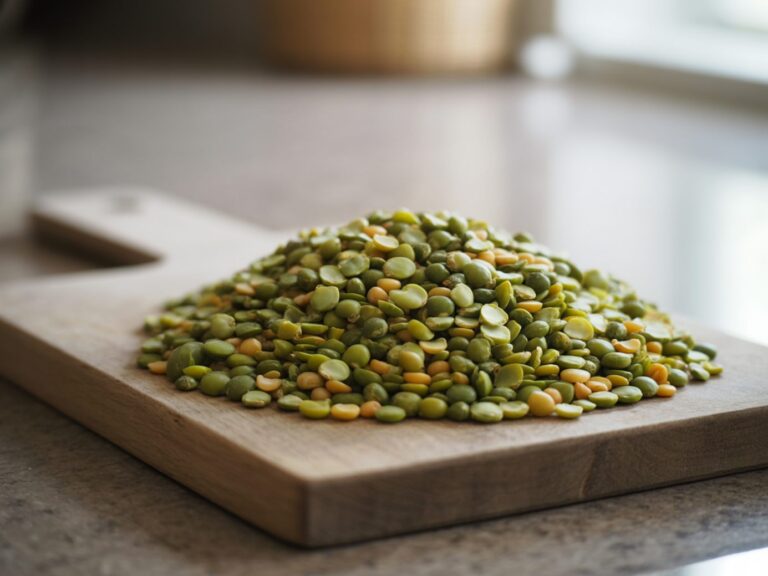
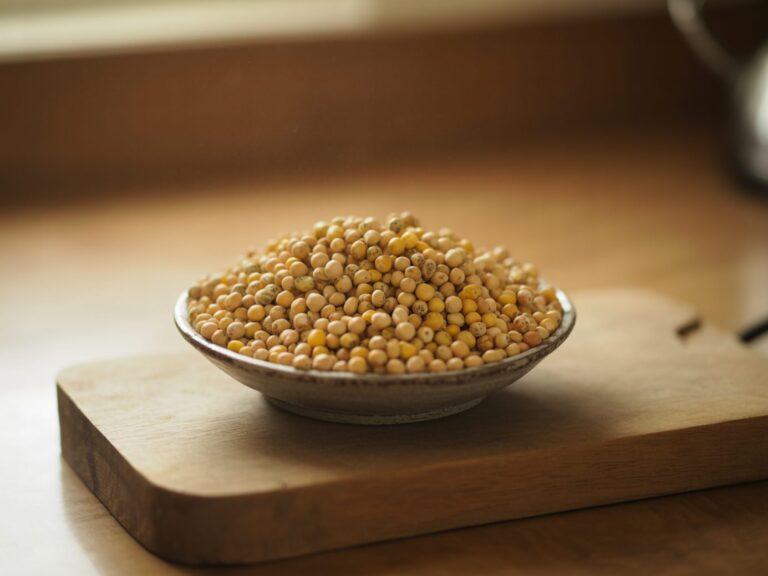
- Split Peas: Dried, hulled, and split garden peas — green or yellow — the backbone of hearty split pea soup.
Recipes using pea
66 recipes across our recipe sites use pea. A few favorites:
Cooking with pea tonight?
Find pea recipes that match your diet — keto, high-protein, vegan, under 30 minutes — and build a shopping list in one tap.
History & origin
Peas are among the oldest cultivated crops in human history, with archaeological evidence of their use in the Near East dating back more than 10,000 years. Ancient Greeks and Romans ate them dried, and by the Middle Ages dried peas were a dietary staple across Europe. Fresh green peas became a luxury obsession in 17th-century France — the court of Louis XIV reportedly went mad for them — and eating fresh petits pois out of season became a fashionable extravagance. European colonists brought peas to the Americas, and Gregor Mendel’s famous genetics experiments in the 1860s used garden pea plants to lay the foundations of modern genetics.
How it’s made
Garden peas grow on climbing vines that thrive in cool, moist weather — they’re a true cool-season crop planted in early spring or fall. The plants produce white or purple flowers that self-pollinate, forming elongated pods. For fresh market peas, pods are harvested by hand or machine when the peas inside are plump but not starchy, typically 60 to 70 days after planting. For frozen peas, harvesting and flash-freezing happen in rapid succession — often within a few hours of picking — to lock in sugar content and color. Split peas are made from field peas allowed to mature and dry on the vine, then hulled and split mechanically along their natural seam.
Good to know
- Gregor Mendel studied seven traits in pea plants to discover the foundational laws of heredity — making the humble pea one of the most scientifically important vegetables ever grown.
- Peas are technically a fruit botanically speaking, since they develop from a flower and contain seeds, but every cook and nutritionist treats them as a vegetable.
- Frozen peas can actually be more nutritious than ‘fresh’ supermarket peas because they’re frozen within hours of harvest, while refrigerated fresh peas lose sweetness and some nutrients within days.
- The United States grows peas primarily in Washington, Minnesota, and Wisconsin, which together produce the bulk of the country’s processing pea crop.
- One cup of cooked peas contains roughly 8 grams of protein, making them a surprisingly powerful plant-based protein source.