Zucchini
Zucchini is the easygoing summer squash that soaks up bold flavors and keeps weeknight cooking light and fast.
In a nutshell
Zucchini is a mild, tender summer squash harvested young before its seeds harden. It cooks in minutes, pairs with nearly everything, and adds bulk to a dish without loading up calories. Home cooks love it raw, roasted, grilled, or shredded into breads and fritters.
Nutrition
≈ 2 Calories and 0g fat per tablespoon.
Zucchini is remarkably low in calories while still delivering a modest hit of vitamin C, vitamin B6, and potassium, making it a smart choice for anyone watching their energy intake. Its skin contains antioxidants including lutein and zeaxanthin, which support eye health — so skip the peeler whenever you can. The combination of fiber and high water content (roughly 95%) helps with satiety and hydration, and the very low sodium naturally supports heart-healthy eating patterns. Nutrition per 100g via Spoonacular.
Culinary uses & pairings
In savory cooking, zucchini is a workhorse. Slice it and sauté in olive oil with garlic for a quick side, toss spears on the grill until charred and tender, or roast halves cut-side down at 425°F (220°C) until caramelized. It shines in ratatouille, stir-fries, pasta dishes, frittatas, and soups, and it holds its shape well enough for stuffing with meat or grain fillings.
On the sweeter side, shredded zucchini adds incredible moisture to quick breads, muffins, and chocolate cake without imparting much flavor. Spiralized zucchini — often called zoodles — stands in for pasta in low-carb meals and picks up sauces beautifully. Thin raw ribbons work well in salads dressed with lemon and Parmesan.
Pairs well with
Substitutions
Buying & storage
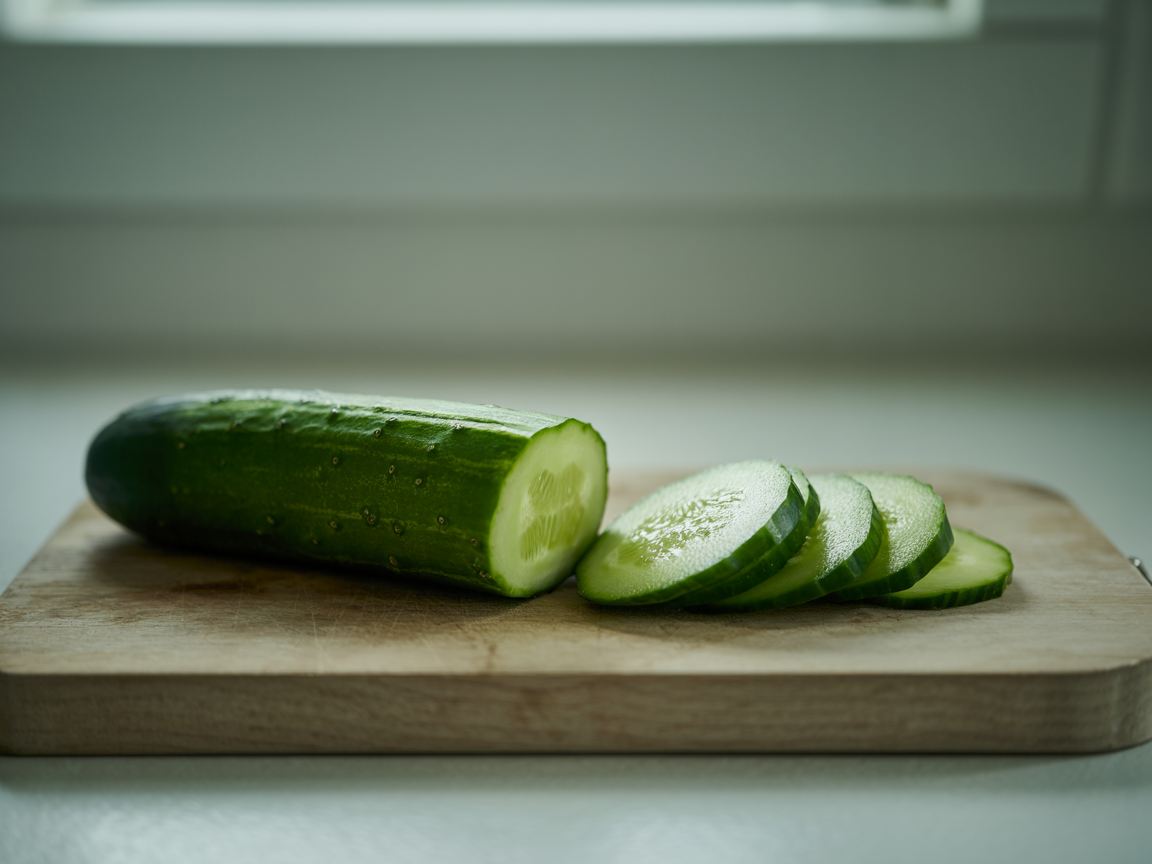
Look for zucchini that feels firm and heavy for its size, with glossy, unblemished skin and a fresh-cut stem end. Smaller zucchini — roughly 6 to 8 inches long and no wider than 2 inches — are sweeter, more tender, and have fewer developed seeds than the overgrown giants. Avoid any that feel soft, have wrinkled skin, or show moldy spots near the blossom end. At farmers markets in summer you may find them still attached to their edible blossoms, which is a bonus.
Varieties
- Classic green (Black Beauty): The standard grocery-store type with deep green skin and creamy white flesh; mild and versatile in any recipe.
- Golden zucchini: Yellow-skinned with a slightly sweeter, more buttery flavor; cooks identically to green but adds color to the plate.
- Costata Romanesco: An Italian heirloom with ridged skin and a nuttier, more complex flavor; a favorite at farmers markets for grilling.
- Round zucchini (Eight Ball): Globe-shaped and perfect for stuffing whole; flesh is dense and holds up beautifully in the oven.
- Pattypan (scallop squash): Technically its own type but often grouped with zucchini; flying-saucer shape with a firm, mildly nutty bite.
Recipes using zucchini
200 recipes across our recipe sites use zucchini. A few favorites:
Cooking with zucchini tonight?
Find zucchini recipes that match your diet — keto, high-protein, vegan, under 30 minutes — and build a shopping list in one tap.
History & origin
Zucchini’s wild ancestors originated in Mesoamerica, where Native Americans cultivated squash as part of the legendary Three Sisters planting system alongside corn and beans for thousands of years. The specific variety we know today was developed in northern Italy — likely in the Milan region — during the late 19th century, and the name comes straight from the Italian zucchina, the diminutive of zucca (gourd). Italian immigrants brought it to the United States in the early 20th century, but it didn’t truly catch on with mainstream American cooks until the 1970s, when the back-to-the-land movement and home vegetable gardening made it a backyard staple.
How it’s made
Zucchini is a warm-season annual grown from seed directly in the garden after the last frost, when soil reaches at least 60°F (16°C). It grows on a bush-type plant and produces large yellow flowers — both male and female — that require pollination, typically by bees. The fruit develops rapidly from the base of the female flower and can go from blossom to harvest-ready in as little as four to five days under ideal conditions, which is why home gardeners sometimes find baseball-bat-sized squash hiding under leaves. Commercial growers harvest by hand at a consistent small size for uniformity, while the blossoms are harvested separately as a specialty item for stuffing and frying.
Good to know
- Zucchini is botanically a fruit — it develops from a fertilized flower — but every cook in the world treats it as a vegetable.
- The flowers are fully edible and considered a delicacy; they’re commonly stuffed with ricotta and fried in Italian and Mexican cuisines.
- A single zucchini plant can produce prolifically throughout the season, which is why gardeners are famous for leaving bags of them on neighbors’ doorsteps.
- Zucchini contains about 95% water by weight, making it one of the most hydrating vegetables you can eat.
- The word zucchini is already plural in Italian; the singular is zucchina, though most Americans use zucchini for both one and many.