Pumpkin
Pumpkin brings cozy sweetness and earthy depth to everything from soups to pies — a true fall pantry hero.
In a nutshell
Pumpkin is a hard-shelled winter squash prized for its mildly sweet, earthy flavor and velvety texture when cooked. At just 26 calories per 100 grams, it’s one of the most nutrient-dense vegetables you can cook with. Fresh or canned, it’s endlessly versatile in both sweet and savory kitchens.
Nutrition
≈ 4 Calories and 0g fat per tablespoon.
Pumpkin is a low-calorie, nutrient-rich vegetable that punches well above its weight healthwise. Its deep orange color signals an abundance of beta-carotene, a precursor to vitamin A that supports eye health and immune function — one cup of cooked pumpkin delivers well over 100% of your daily vitamin A needs. It also provides a solid hit of vitamin C, potassium, and riboflavin, supporting heart health and energy metabolism. Because nearly all of its carbohydrates come with a low glycemic load and it carries very little fat, pumpkin is an excellent choice for anyone watching their caloric intake without sacrificing satisfaction. Nutrition per 100g via Spoonacular.
Culinary uses & pairings
In savory cooking, pumpkin shines in soups, stews, and curries where its natural sweetness balances bold spices. Roast cubes at 400°F (205°C) with olive oil and salt until caramelized for a simple side dish, or purée the flesh into a silky bisque. It’s equally at home stuffed and baked whole, folded into risotto, or blended into pasta sauces with sage and brown butter.
On the sweet side, pumpkin purée is the backbone of classic pumpkin pie, but it also lends moisture and warmth to muffins, quick breads, pancakes, cheesecakes, and even smoothies. Its mild flavor absorbs spices like cinnamon, nutmeg, cloves, and ginger beautifully, making it a natural partner for the warm spice blends American bakers love in autumn.
Pairs well with
Substitutions
Buying & storage
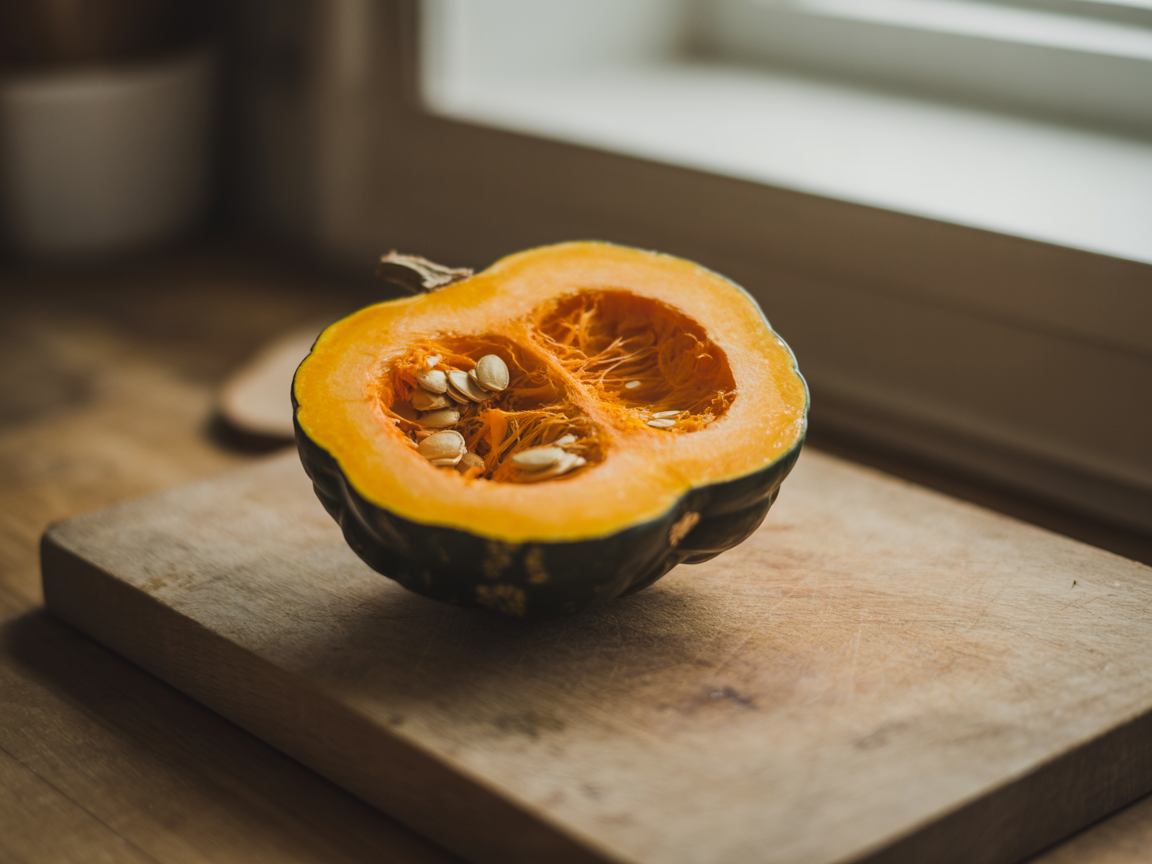
When choosing a fresh pumpkin for cooking, look for small to medium “sugar” or “pie” varieties — such as Sugar Pie or Long Island Cheese — rather than large jack-o’-lantern types, which tend to be watery and bland. The skin should feel hard and matte with no soft spots or cracks, and the stem should be dry and firmly attached. A heavy pumpkin for its size signals dense, flavorful flesh. If you’re baking and short on time, plain canned pumpkin purée is an excellent option year-round — just check the label to make sure it’s 100% pumpkin with no added spices or sugar.
Varieties
- Sugar Pie (New England Pie): The go-to baking pumpkin — small, dense, and finely textured with sweet, dry flesh that purées beautifully.
- Long Island Cheese: An heirloom variety with a flattened, ribbed shape resembling a wheel of cheese; prized by chefs for its rich, complex flavor.
- Cinderella (Rouge Vif d’Étampes): A striking French heirloom with deep red-orange skin; excellent for soups and roasting with a smooth, sweet flesh.
- Jarrahdale: A blue-grey Australian variety with sweet orange flesh; great for roasting and makes a stunning decorative centerpiece too.
- Jack-o’-Lantern: The classic carving pumpkin; edible but stringy and watery with little flavor — not recommended for cooking.
Recipes using pumpkin
23 recipes across our recipe sites use pumpkin. A few favorites:
Cooking with pumpkin tonight?
Find pumpkin recipes that match your diet — keto, high-protein, vegan, under 30 minutes — and build a shopping list in one tap.
History & origin
Pumpkins are among the oldest cultivated crops in the Americas, with seeds found at Mexican archaeological sites dating back over 7,500 years. Native peoples throughout North and Central America grew pumpkins as one of the sacred “Three Sisters” alongside corn and beans, eating the flesh, seeds, and even the flowers. When European settlers arrived in the 17th century, pumpkin quickly became a survival food — colonial New Englanders hollowed out pumpkins and filled them with milk, honey, and spices to bake in embers, a preparation sometimes cited as an early ancestor of the American pie. By the 19th century, pumpkin pie had become a Thanksgiving institution, a tradition that continues today.
How it’s made
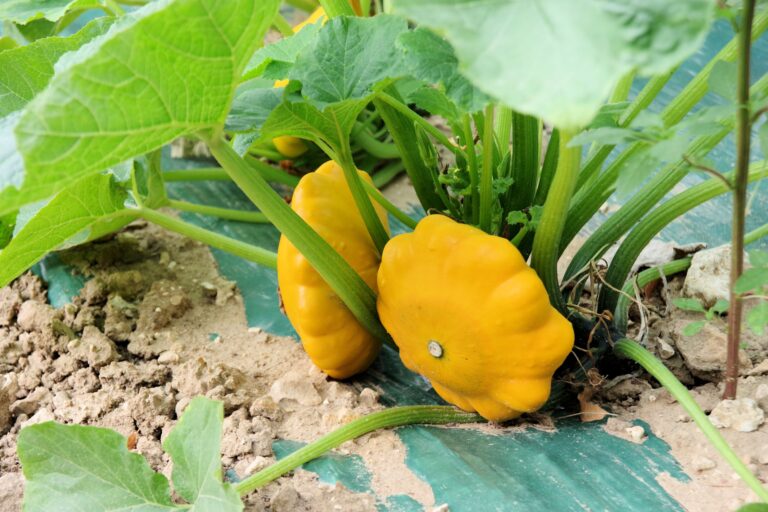
Pumpkins are warm-season vine crops in the Cucurbitaceae family, planted after the last frost in well-drained, fertile soil. They need plenty of space — vines can sprawl 10 to 20 feet — along with full sun and consistent moisture. Bees and other pollinators transfer pollen from male to female flowers, and once pollinated, the fruit swells rapidly over 75 to 100 days depending on variety. Harvest happens in late summer through fall when the skin has hardened and the stem begins to dry; the pumpkin is then cured in warm, dry conditions for about 10 days to toughen the skin and help extend shelf life.
Good to know
- The word “pumpkin” traces back to the Greek pepon, meaning “large melon,” which passed through French pompon and early English forms before arriving at the word we use today.
- Pumpkin seeds — often called pepitas when hulled — are just as nutritious as the flesh, loaded with zinc, magnesium, and healthy fats.
- The United States grows over 1 billion pounds of pumpkins each year, with Illinois consistently leading all states in production.
- Despite being treated as a vegetable in cooking, pumpkin is botanically a fruit — it develops from a flower and contains seeds.
- Canned pumpkin purée sometimes contains other winter squash varieties, as the FDA permits certain squashes closely related to pumpkin to be included under that label.