Winter Squash
Winter squash brings natural sweetness, vibrant color, and hearty substance to your fall and winter table.
In a nutshell
Winter squash is a group of hard-shelled gourds harvested in late summer and fall, then stored through winter. Their dense, sweet flesh softens beautifully with heat, making them endlessly versatile in both savory and sweet cooking. Butternut, acorn, delicata, and kabocha are the varieties you’ll spot most often at US grocery stores and farmers markets.
Nutrition
≈ 6 Calories and 0g fat per tablespoon.
Winter squash is a low-calorie, nearly fat-free vegetable that still manages to feel filling and satisfying. Its most impressive nutritional story is its beta-carotene content — the pigment behind that deep orange flesh — which the body converts to vitamin A, supporting eye health and immune function. It’s also a solid source of vitamin C and potassium, with a modest fiber contribution that supports digestive health. The carbohydrates are primarily natural sugars and complex starches, which is why the flesh tastes pleasantly sweet after roasting — the heat caramelizes those sugars beautifully. Nutrition per 100g via Spoonacular.
Culinary uses & pairings
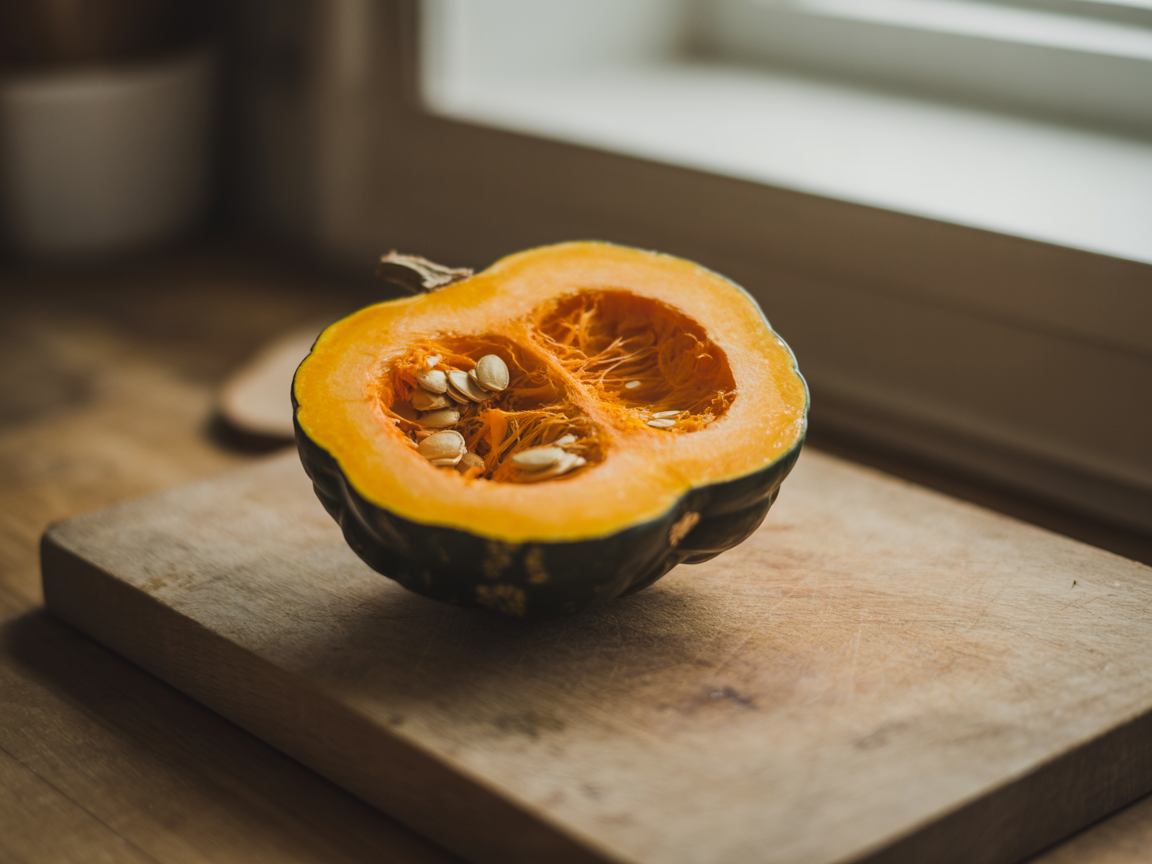
Winter squash is a roasting superstar: halve it, brush with a little oil, and let a 400°F (205°C) oven do the work until the flesh is tender and caramelized at the edges. From there it can be scooped into soups, mashed into a side dish, folded into pasta fillings, or simply eaten straight from the shell with butter and a pinch of salt. It also blends silky-smooth into bisques and puréed soups, and it’s a natural in curries and grain bowls.
On the sweeter side, winter squash purée is a go-to swap for pumpkin in pies, quick breads, muffins, and pancakes — many home cooks actually prefer the flavor. Cubed squash can be tossed into risottos and braised dishes, and thinner-skinned varieties like delicata can be sliced into rings and roasted skin-on for an easy side you don’t even have to peel.
Pairs well with
Substitutions
Buying & storage
Look for squash that feels heavy for its size, with a hard, blemish-free rind and a dry, corky stem — a dry, intact stem signals the squash was properly cured after harvest. Avoid any with soft spots, cracks, or shiny skin, which can indicate immaturity or damage. Deeper, richer color generally means more beta-carotene and better flavor, especially in butternuts and kabochas. At the farmers market you’ll often find more interesting varieties than the supermarket carries, and vendors can tell you how long they’ve been cured.
Varieties
- Butternut: The most widely available variety; smooth tan skin, creamy orange flesh, and a mellow, nutty sweetness that makes it the easiest to peel and cook.
- Acorn: Small, ribbed, and typically dark green, though it also comes in gold and white; its mild, slightly fibrous flesh is perfect for halving and stuffing, and the shell makes a natural serving bowl.
- Delicata: Cream-colored with green stripes and a thin, edible skin; sweet and tender, it’s the easiest winter squash to prep since peeling is optional.
- Kabocha: A Japanese variety with deep green skin and intensely sweet, dry flesh closer to a baked sweet potato in texture; excellent in curries and roasted preparations.
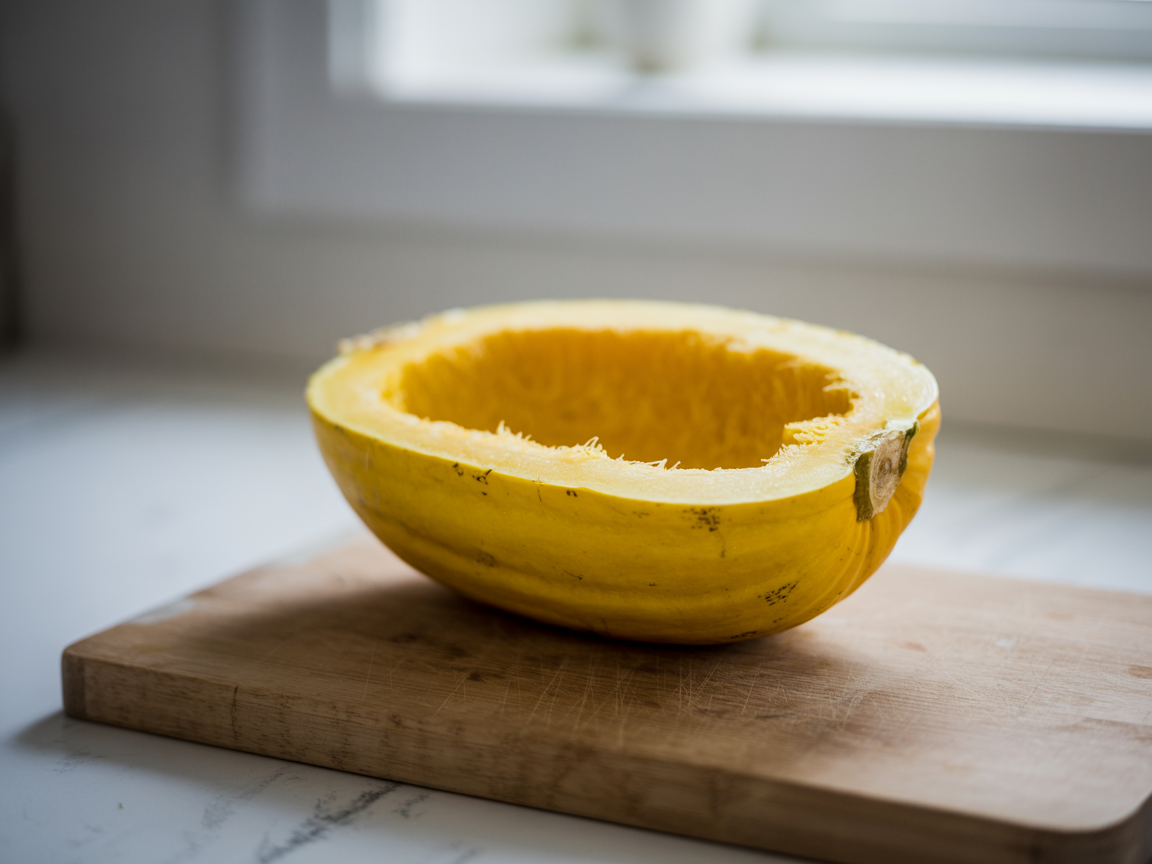
- Spaghetti: When cooked, the pale yellow flesh separates into noodle-like strands, making it a popular lower-calorie stand-in for pasta.
- Hubbard: A large, bumpy variety with very dense, dry flesh that’s ideal for pies and purées; often sold pre-cut in US supermarkets because of its size.
Cooking with winter squash tonight?
Find winter squash recipes that match your diet — keto, high-protein, vegan, under 30 minutes — and build a shopping list in one tap.
History & origin
Winter squash belongs to the genus Cucurbita and is one of the oldest cultivated crops in the Americas, with archaeological evidence of squash use dating back roughly 10,000 years in Mesoamerica. Indigenous peoples across North America grew squash as one of the celebrated Three Sisters — alongside corn and beans — a companion-planting system that sustained communities for millennia. European colonists quickly adopted squash after contact, and by the 18th century it was a staple stored cellar vegetable across New England and the Mid-Atlantic. The enormous diversity of varieties we enjoy today reflects centuries of selection by Indigenous farmers long before any written horticultural tradition.
How it’s made
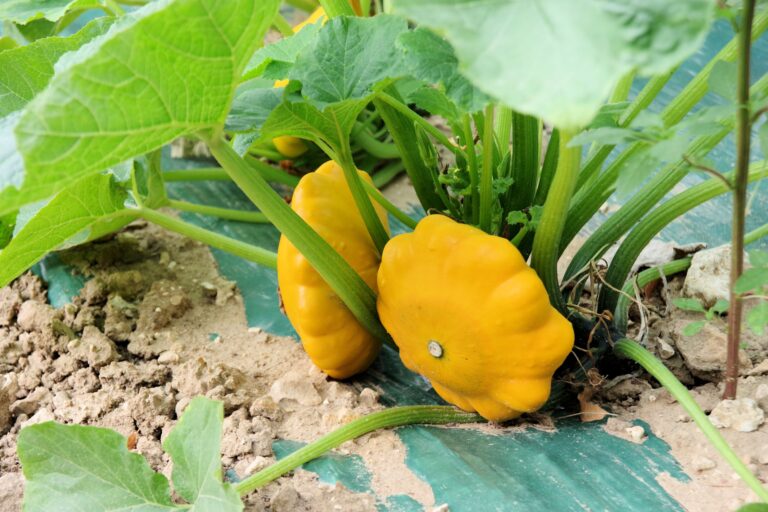
Winter squash is a warm-season vine crop seeded directly in the ground after the last frost, typically in late spring in most US climates. The plants sprawl widely, producing large yellow blossoms that are pollinated by bees before the fruit sets. Unlike summer squash, winter varieties are left on the vine until fully mature — the rind hardens and the skin dulls in color as a signal of readiness, usually in late summer to early fall. After harvest, they undergo a curing process of one to two weeks in warm, dry conditions, which toughens the skin, heals surface wounds, and converts some starches into sugars, deepening the flavor and extending shelf life dramatically.
Good to know
- The name ‘winter squash’ has nothing to do with when it grows — it refers to its ability to be stored through winter, unlike tender summer squash.
- Squash blossoms are fully edible and are a delicacy in Italian and Mexican cooking, often stuffed and fried.
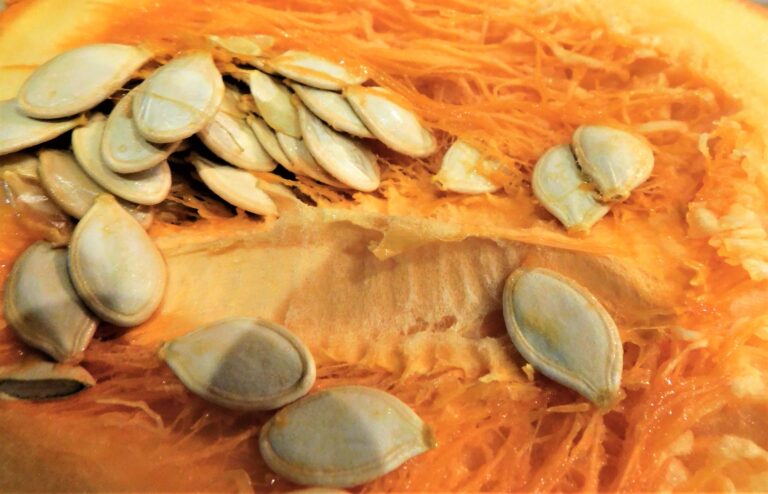
- The seeds of winter squash can be prepared much like pumpkin seeds — rinse, season, and roast them at 325°F (165°C) for a crunchy, nutritious snack.
- Kabocha is so naturally sweet and dry that it’s sometimes used in Japanese sweets and confections.
- One cup of cubed butternut squash delivers more than 100% of the daily recommended intake of vitamin A, all for around 60–65 calories.