Venison (Deer)
Venison brings lean, richly flavored wild-game meat to your table with a depth that beef simply can’t match.
In a nutshell
Venison is the culinary name for deer meat, prized by hunters and adventurous home cooks alike. It’s exceptionally lean, deeply savory, and takes boldly to herbs, berries, and wine-based sauces. Whether you’re working with backstrap, shoulder, or ground, it rewards low-and-slow cooking or a quick hot sear.
Nutrition
≈ 16 Calories and 0.3g fat per tablespoon.
Venison is a nutritional standout among red meats, delivering 23 grams of protein per 100 grams while keeping total fat remarkably low at just around 2–3 grams — much of which is unsaturated fat. That lean profile means fewer calories than beef or lamb, making it a strong choice for high-protein diets. It’s also a meaningful source of iron, zinc, and B vitamins — especially B12 and niacin — which support energy metabolism and immune function. Because wild deer graze on natural forage, venison tends to carry a more favorable omega-3 to omega-6 ratio than conventionally raised beef, adding another reason to embrace it beyond its flavor. Nutrition per 100g via Spoonacular.
Culinary uses & pairings
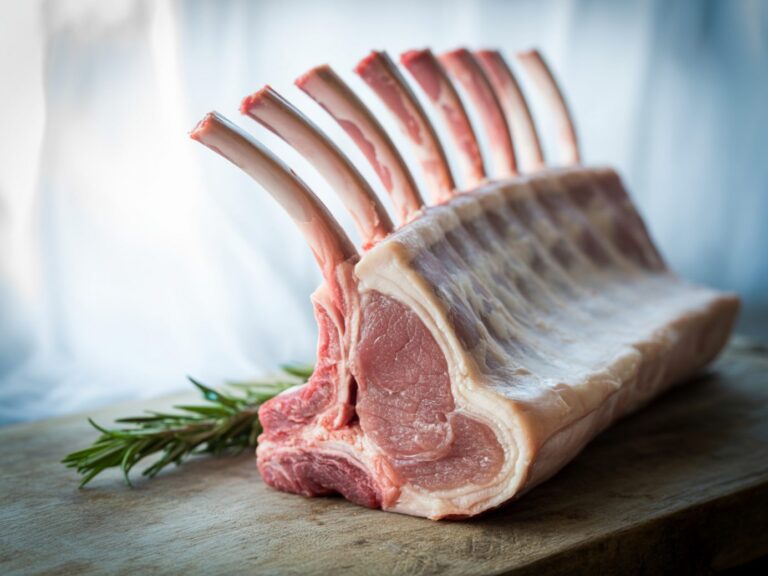
Tender cuts like the backstrap (loin) and tenderloin shine when seared quickly in a hot cast-iron skillet or grilled over high heat to a rosy medium-rare — pull them at 130–135 °F (54–57 °C) before resting, since the low fat content means they dry out fast. Rack of venison roasted with garlic and fresh thyme makes an impressive centerpiece, while bone-in leg or haunch rewards a long, slow braise in red wine.
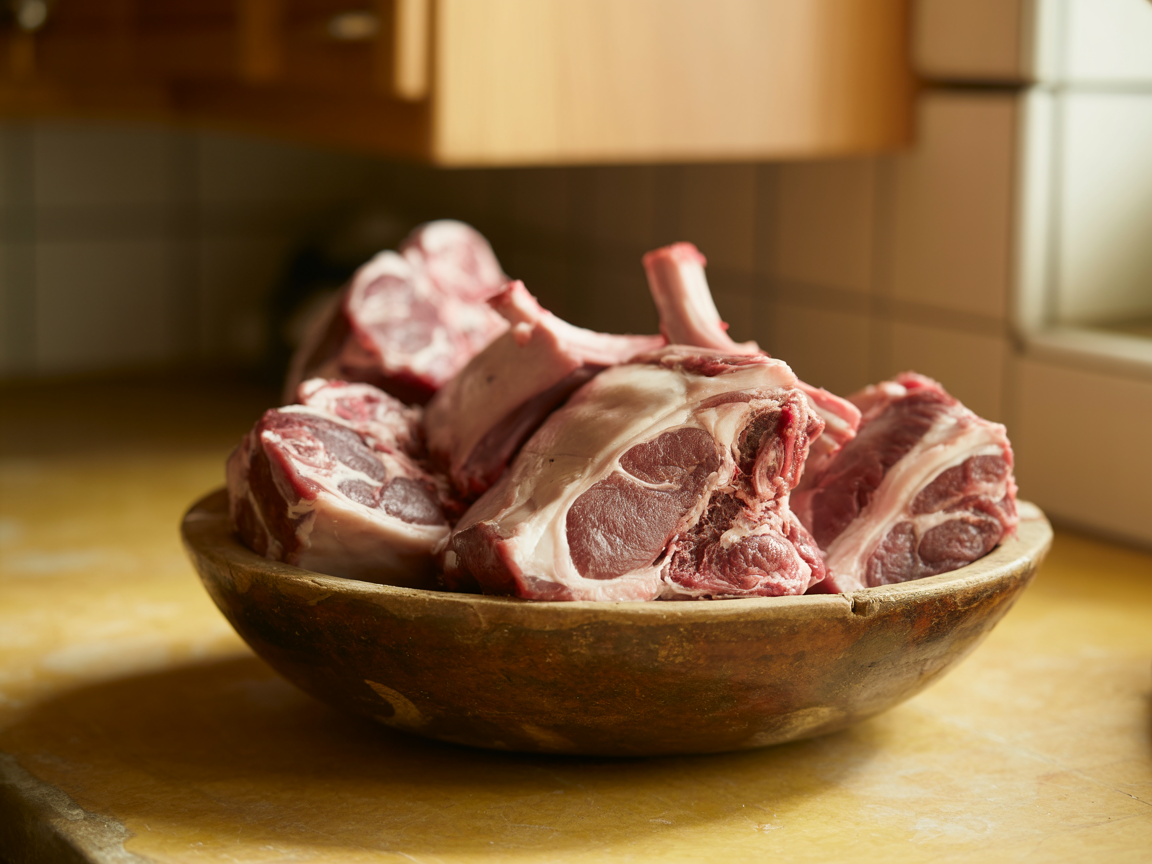
Tougher shoulder, neck, and shank cuts beg for braising, slow-cooker treatments, or Dutch-oven stews where collagen has time to break down into silky body. Ground venison is wonderfully versatile — use it in chili, burgers, meat sauces, or meatballs, but consider blending in a little beef fat or pork fat since the ultra-lean grind can turn crumbly. Venison sausage and jerky are beloved ways to preserve the harvest through the off-season.
Pairs well with
Substitutions
Buying & storage
When buying farmed or ranch-raised venison — increasingly available at specialty butchers and online — look for meat that’s deep burgundy-red with fine-grained muscle and minimal visible fat; any fat present should be white, not yellowed. Wild-harvested venison from a hunter should be field-dressed promptly and aged properly (typically 7–14 days at 34–37 °F / 1–3 °C) to tenderize the meat and mellow sharpness. Avoid cuts with a gray or brownish tinge, off aromas beyond a clean gamey scent, or signs of freezer burn if buying frozen. Ask your butcher whether the animal was grain-finished (milder flavor) or purely wild-foraged (more complex), since that shapes how aggressively you’ll want to season it.
Cuts
- Backstrap (Loin): The prime, tender strip running along the backbone; best seared or grilled to medium-rare.
- Tenderloin: Smaller and even more delicate than the backstrap; cook fast and hot, serve immediately.
- Haunch (Hindquarter / Leg): Large roasting joint that can be slow-roasted whole or broken into steaks and braising cuts.
- Shoulder: Well-worked muscle perfect for low-and-slow braising, pulled preparations, or stew.
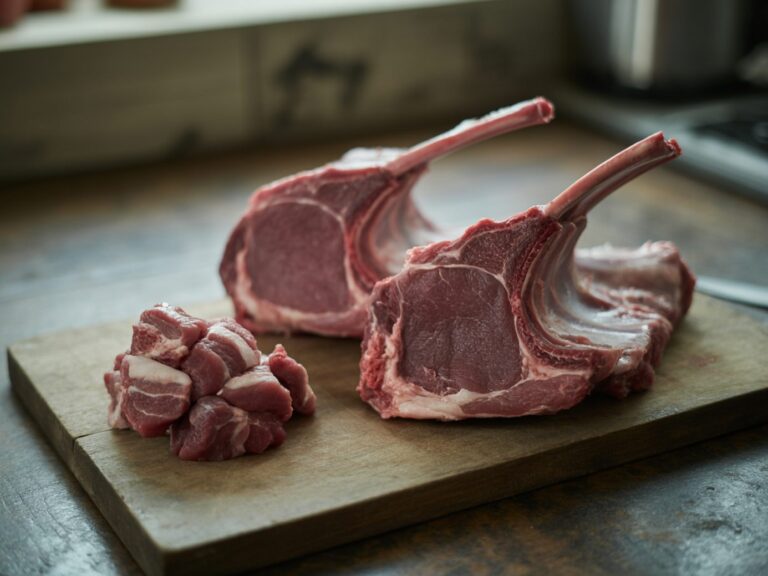
- Ribs and Rack: Delicate rack cuts make elegant presentations; spare ribs are great braised or smoked.
- Ground Venison: Ultra-lean grind ideal for chili, burgers, and bolognese; often blended with pork or beef fat.
- Shank: Collagen-rich lower leg that becomes fork-tender and silky when braised osso-buco style.
Recipes using venison
32 recipes across our recipe sites use venison. A few favorites:
Cooking with venison tonight?
Find venison recipes that match your diet — keto, high-protein, vegan, under 30 minutes — and build a shopping list in one tap.
History & origin
Deer have been hunted for food across every inhabited continent for tens of thousands of years, making venison one of humanity’s oldest protein sources. Native American peoples developed sophisticated hunting practices and used every part of the deer — hide, bone, sinew, and organ meat — wasting nothing. European aristocrats codified deer hunting as a noble pursuit during the Middle Ages, and venison graced the tables of kings and lords while being largely off-limits to common people through strict game laws. Early American colonists relied heavily on wild deer alongside other game to survive harsh winters, and venison remained a frontier staple well into the 19th century. Today it enjoys a renaissance as both a hunter’s harvest and a sustainably farmed specialty meat sought by chefs and health-conscious home cooks.
How it’s made
Most venison in the US comes from two sources: wild-harvested deer taken during regulated hunting seasons, and ranch-raised or farm-raised deer (often fallow or red deer) processed under USDA inspection. Wild deer are field-dressed immediately after harvest to cool the carcass quickly, then transported to a processor or home butcher shop where the hide is removed and the carcass is broken into primal cuts. A dry-aging period of one to two weeks at near-freezing temperatures allows enzymes to tenderize the muscle and mellows the intensity of the gamey notes. Farm-raised venison follows a path similar to beef processing — animals are finished on pasture or supplemental grain, harvested humanely, and inspected before being cut, vacuum-packaged, and distributed to specialty retailers.
Good to know
- A single white-tailed deer yields roughly 50–70 lbs (23–32 kg) of boneless meat, enough to feed a family for months.
- Venison has been found in archaeological sites dating back over 10,000 years across North America and Europe.
- The word ‘venison’ comes from the Latin venatio, meaning ‘hunting’ — it once referred to any hunted game, not just deer.
- Because wild deer forage on grasses, browse, and other natural vegetation, wild venison contains no added hormones or antibiotics.
- Deer meat is naturally free of carbohydrates, making it a go-to protein for keto and carnivore-style diets.