Vanilla Bean
Vanilla beans are the fragrant pods of a tropical orchid — the soul of countless beloved desserts.
In a nutshell
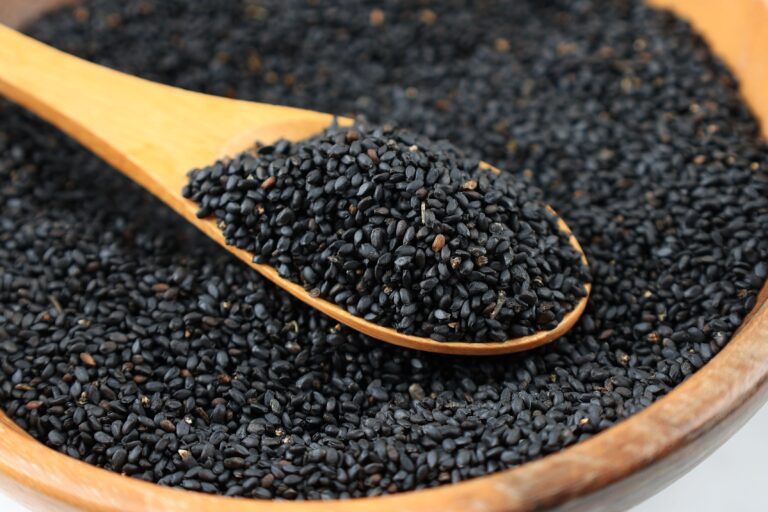
Vanilla beans are the cured seed pods of Vanilla planifolia, a climbing orchid native to Mexico. Inside each pod are thousands of tiny seeds — the little black specks you see in fine ice cream and pastry cream — carrying an intensely floral, warm, almost caramel-like aroma. A single bean can perfume an entire batch of custard, making it one of the most powerful flavor ingredients in a home cook’s pantry.
Nutrition
≈ 32 Calories and 2g fat per tablespoon.
Vanilla beans contain a modest amount of calories for a spice used in such tiny quantities that it rarely matters in practice. What does matter is the extraordinary concentration of vanillin and hundreds of other aromatic compounds that make vanilla one of the most complex flavors in the plant kingdom. Trace amounts of B vitamins and potassium are present, and emerging research suggests vanillin carries antioxidant properties, though you’d need far more than culinary amounts to see measurable effects. Nutrition per 100g via Spoonacular.
Culinary uses & pairings
Split a vanilla bean lengthwise, scrape out the paste with the back of a knife, and stir it directly into custards, ice cream bases, whipped cream, or cake batters for deep, speckled vanilla flavor. The scraped pod is just as valuable — drop it into a saucepan of warm milk, a jar of sugar, or a bottle of vodka to extract every last bit of flavor.
Beyond sweets, vanilla pairs beautifully with savory applications like lobster bisque, butter sauces for fish, or vinaigrettes. A spent pod simmered into a simple syrup transforms cocktails and fruit compotes, and burying used pods in a canister of granulated sugar produces fragrant vanilla sugar within a week or two.
Pairs well with
Substitutions
Buying & storage
Look for beans that are plump, moist, and pliable — a good bean should bend without cracking and feel slightly tacky on the surface, a sign of high vanillin content. Avoid dry, brittle, or shriveled pods, which have lost much of their aromatic compounds. Beans sold in glass tubes at specialty grocery stores are often fresher than those in plastic packets on supermarket shelves. For the best value, buy in bulk from reputable online spice merchants. Grade A (gourmet) beans are plumper and more moisture-rich, ideal for applications where the bean is front and center; Grade B beans are drier and less expensive, making them practical for extracts and infusions.
Varieties
- Madagascar (Bourbon) Vanilla: By far the most widely used variety; rich, creamy, and classically sweet — the flavor most Americans think of as ‘vanilla.’
- Tahitian Vanilla: Plumper pods with a distinctly floral, cherry-like aroma; generally lower in vanillin than Bourbon but prized by pastry chefs for delicate desserts. Tahitian vanilla is typically Vanilla tahitensis, a distinct species from Vanilla planifolia.
- Mexican Vanilla: The original variety with a smooth, spicy, slightly woody character; excellent in chocolate-based recipes and mole-inspired desserts.
- Indonesian Vanilla: Smoky and bold with earthy undertones; widely used in commercial food production and a budget-friendly option for infusions.
- Ugandan Vanilla: A newer player in the specialty market; dark, fudgy, and intensely sweet — growing in popularity among US craft bakers.
Recipes using vanilla bean
27 recipes across our recipe sites use vanilla bean. A few favorites:
Cooking with vanilla bean tonight?
Find vanilla bean recipes that match your diet — keto, high-protein, vegan, under 30 minutes — and build a shopping list in one tap.
History & origin
Vanilla originated in Totonac territory along the Gulf Coast of present-day Mexico, where indigenous peoples had cultivated and prized it for centuries before the Aztecs adopted it as a tribute commodity. Spanish conquistadors encountered it flavoring royal cacao drinks in the early 16th century and brought it back to Europe, where it quickly became one of the most coveted — and expensive — spices in the world. For centuries Mexico held a near-monopoly because the native Melipona bee and other local pollinators were uniquely effective at pollinating the flowers outside their native habitat. That changed in 1841 when Edmond Albius, a 12-year-old enslaved boy on the French island of Réunion, devised the hand-pollination technique still used today, making large-scale cultivation possible wherever the orchid could grow.
How it’s made
Vanilla beans begin as the blossoms of Vanilla planifolia, a vining orchid that must be hand-pollinated within hours of opening — each flower blooms for just one day. After pollination, the green seed pods take roughly nine months to mature on the vine. Harvested while still unripe, the pods undergo a labor-intensive curing process that typically involves brief heat exposure (sun, oven, or hot water) to halt enzymatic activity, followed by weeks of slow sweating in insulated boxes and gradual air-drying on wooden racks. This curing triggers the enzymatic reactions that convert flavorless glucovanillin precursors into vanillin and the hundreds of other aroma compounds that give finished beans their familiar complex scent. The entire process — from planting to packaged bean — takes about three to five years, which explains why real vanilla is one of the world’s most expensive spices.
Good to know
- Vanilla is the only fruit-bearing member of the orchid family that humans cultivate commercially for flavoring — and orchids are the largest family of flowering plants on Earth.
- A single vanilla bean contains roughly thousands of tiny black seeds; the seeds themselves contribute texture rather than much flavor, as most of the aroma comes from the surrounding pod wall and inner tissue.
- Real vanilla extract gets its complexity from over 200 identified flavor compounds — synthetic vanillin, made from sources such as lignin or guaiacol, contains essentially one.
- Vanilla was once considered an aphrodisiac and was prescribed by 18th-century European physicians as a nerve tonic and digestive aid.
- Madagascar and Indonesia together produce roughly 80% of the world’s vanilla supply, making both countries’ weather patterns a significant factor in global vanilla prices.