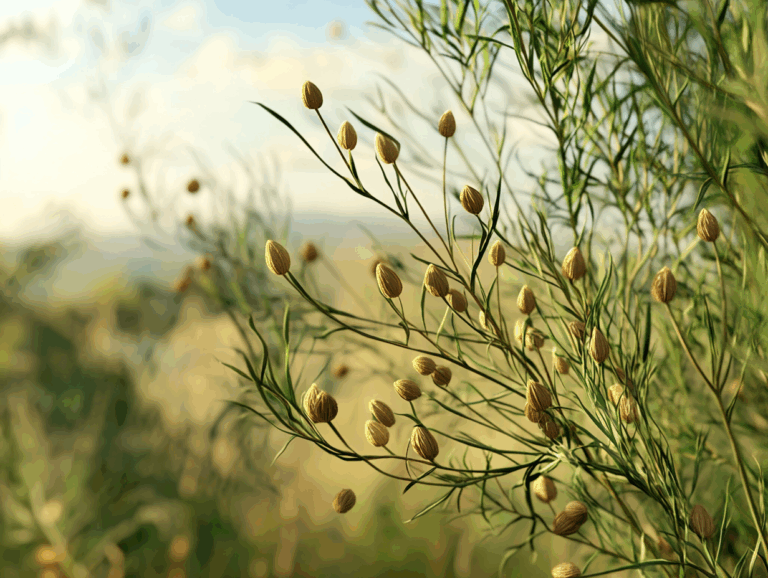
Thyme
Thyme is a tiny-leaved Mediterranean herb that punches far above its weight in almost every savory dish.
In a nutshell
Thyme is one of the most versatile herbs in a home cook’s arsenal, lending a warm, earthy, faintly floral flavor to everything from slow braises to quick pan sauces. Fresh sprigs are added early and removed before serving; dried thyme is more concentrated and goes in at almost any stage. It’s a cornerstone of French, Mediterranean, and Southern US cooking.
Nutrition
≈ 14 Calories and 0.2g fat per tablespoon.
Thyme is surprisingly rich in dietary fiber for an herb, and its protein content is notably higher than most leafy seasonings—though you’d rarely eat it by the cupful. Its real nutritional story is in its micronutrients and phytochemicals: thyme is an excellent source of vitamin C and vitamin A, and it delivers meaningful amounts of iron, manganese, and calcium. The volatile oil thymol is the star of the show—it has well-documented antimicrobial and antioxidant properties and is the active ingredient in many natural mouthwashes and throat remedies. Carvacrol, another compound in thyme’s essential oil, is also studied for anti-inflammatory effects. Because thyme is used in small amounts, think of its nutrients as a bonus rather than a primary source. Nutrition per 100g via Spoonacular.
Culinary uses & pairings
Thyme is almost indispensable in slow-cooked dishes—drop a few fresh sprigs into braised short ribs, chicken stew, or a pot of beans and they’ll quietly build a savory backbone over hours. It’s equally at home in quick applications: strip the tiny leaves from the stem and scatter them over roasted vegetables or a pizza just before baking, stir them into compound butter, or muddle a sprig into a cocktail. The stems themselves are flavorful and can be tossed directly into stock or a braise, then fished out at the end.
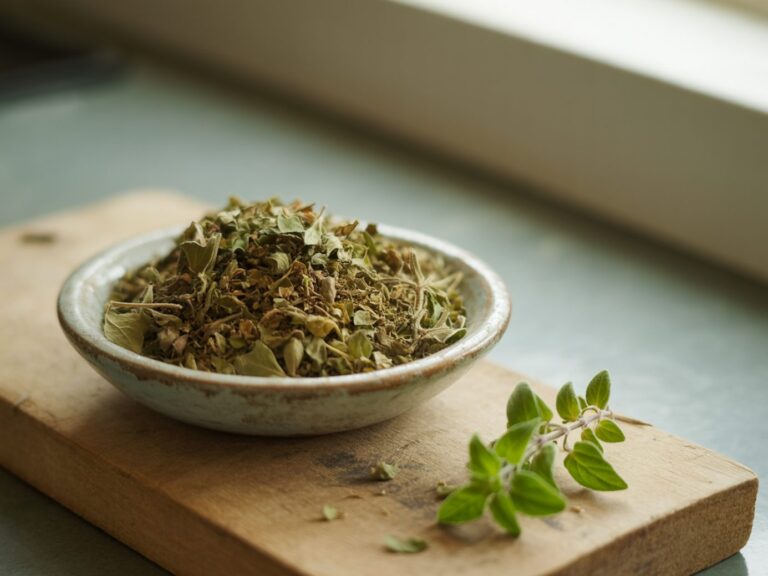
In dried form, thyme is a workhorse spice-rack staple. Rub it onto chicken or pork with olive oil and garlic before roasting, blend it into herb breading for fried foods, or whisk it into a vinaigrette. It’s one of the three classic herbs in a bouquet garni alongside parsley and bay leaf, and it’s a required ingredient in Herbes de Provence. A light hand goes a long way—dried thyme is roughly three times more potent than fresh.
Pairs well with
Substitutions
Buying & storage
When buying fresh thyme, look for sprigs with bright green, firmly attached leaves and no yellowing or wilted stems—avoid bunches that smell musty or look slimy. Farmers’ market thyme is often more aromatic than supermarket bunches because it hasn’t traveled as far. For dried thyme, buy it in small quantities from a store with decent turnover; rub a pinch between your fingers before purchasing if you can—it should release a strong, pleasant fragrance. Whole dried thyme leaves hold their flavor longer than ground thyme, so opt for whole-leaf when possible and crumble it yourself.
Varieties
- Common Thyme (Thymus vulgaris): The standard culinary workhorse with a classic earthy, faintly minty flavor; what you’ll find in nearly every grocery store.
- Lemon Thyme (Thymus citriodorus): Bright citrus aroma layered over the classic thyme base; excellent with fish, poultry, and desserts where a floral note is welcome.
- French Thyme: A variety of common thyme with a slightly more refined, less pungent flavor; preferred by many professional cooks for delicate sauces.
- Creeping Thyme (Thymus serpyllum): A low-growing ground-cover variety that is edible and mildly flavored; more popular as a garden plant than a kitchen staple.
- Caraway Thyme (Thymus herba-barona): Has a distinctive caraway-like scent; traditionally used in Corsican cooking and interesting as an accent on roasted meats.
Recipes using thyme
303 recipes across our recipe sites use thyme. A few favorites:
Cooking with thyme tonight?
Find thyme recipes that match your diet — keto, high-protein, vegan, under 30 minutes — and build a shopping list in one tap.
History & origin
Thyme has been cultivated for at least three thousand years, prized long before it ever reached a kitchen. Ancient Egyptians used it in embalming; ancient Greeks burned it as incense in temples and associated it with courage. The Romans spread it across Europe as their empire expanded, planting it in Britain and Gaul where it naturalized readily in the rocky, well-drained soils that suited it perfectly. By the Middle Ages, European herbalists were recommending thyme for everything from nightmares to respiratory ailments, and it became a fixture in monastery gardens. Its culinary prominence grew steadily through French classical cuisine, where it anchored foundational preparations like stock, bouquet garni, and the mother sauces, cementing its status as one of the indispensable herbs of Western cooking.
How it’s made
Thyme is a woody perennial herb in the mint family (Lamiaceae) native to the rocky Mediterranean hillsides of southern Europe and North Africa. It thrives in well-drained, even poor soil with full sun and low moisture—conditions that concentrate its essential oils and intensify flavor. Commercial thyme is grown from cuttings or seed, harvested just before or during flowering when the oil content peaks, then either sold fresh or dried quickly at low temperatures to preserve volatile compounds. Thymol, the primary essential oil, is extracted from the plant industrially for use in pharmaceuticals, cosmetics, and cleaning products, but in the kitchen the whole leaf—fresh or dried—is simply the most flavorful and practical form to use.
Good to know
- The word thyme is thought to derive from the Greek thymos, meaning courage or strength, reflecting its association with bravery in ancient Greek culture.
- Thymol, thyme’s signature essential oil, is a key active ingredient in some commercial mouthwashes and has been shown in studies to inhibit the growth of several foodborne bacteria.
- Thyme is one of the few herbs that holds up well during long cooking, making it well suited to braises and slow-simmered dishes.
- Bees are famously attracted to thyme blossoms, and honey produced near thyme fields—particularly in Greece—is considered some of the finest and most aromatic in the world.
- A single thyme plant can live for decades in the right conditions; gardeners often find that older, more established plants produce the most richly scented leaves.