Amaranth
Amaranth is an ancient seed that cooks up creamy, pops like a tiny kernel, and packs a serious nutritional punch.
In a nutshell
Amaranth is a gluten-free pseudo-grain harvested from a flowering plant, not a true grass like wheat or rice. It cooks into a thick, slightly sticky porridge and can also be popped, milled into flour, or stirred into baked goods. Its mild, earthy, faintly peppery flavor makes it one of the most versatile ancient seeds in a modern pantry.
Nutrition
≈ 50 Calories and 0.9g fat per tablespoon.
Amaranth earns its reputation as a nutritional powerhouse largely through its protein profile — it’s one of the few plant foods that delivers a complete amino acid profile, including lysine, which is scarce in most grains. With more protein per cup than wheat or rice, it supports muscle maintenance and satiety. Its fat content leans heavily toward heart-friendly unsaturated fats, and its meaningful fiber content promotes digestive health and steady blood sugar. Amaranth is also a noteworthy source of iron, magnesium, phosphorus, and manganese, nutrients often under-consumed on plant-forward diets. Because it’s naturally gluten-free, it’s a welcome addition for those with celiac disease or gluten sensitivity — though cross-contamination is always worth checking on the label. Nutrition per 100g via Spoonacular.
Culinary uses & pairings
Cooked whole amaranth is most commonly prepared as a hot porridge or grain bowl base, simmered in water or milk at roughly a 2-to-1 liquid-to-grain ratio until it reaches a creamy, polenta-like consistency. It can also be added to soups and stews as a natural thickener, stirred into veggie burgers for texture, or folded into meatballs and grain salads. Its slightly sticky quality helps it bind without eggs or glue-like additives.
Popped amaranth is a beloved street snack throughout Mexico and Latin America — just drop a tablespoon of dry seeds into a very hot, dry skillet and they puff up in seconds. Scatter the popped seeds over yogurt, salads, or avocado toast for a nutty crunch, or press them together with honey or chocolate to make alegría-style bars. Amaranth flour, ground from the raw seed, works well replacing up to 25% of all-purpose flour in muffins, pancakes, and quick breads, lending a subtle earthy depth.
Pairs well with
Substitutions
Buying & storage
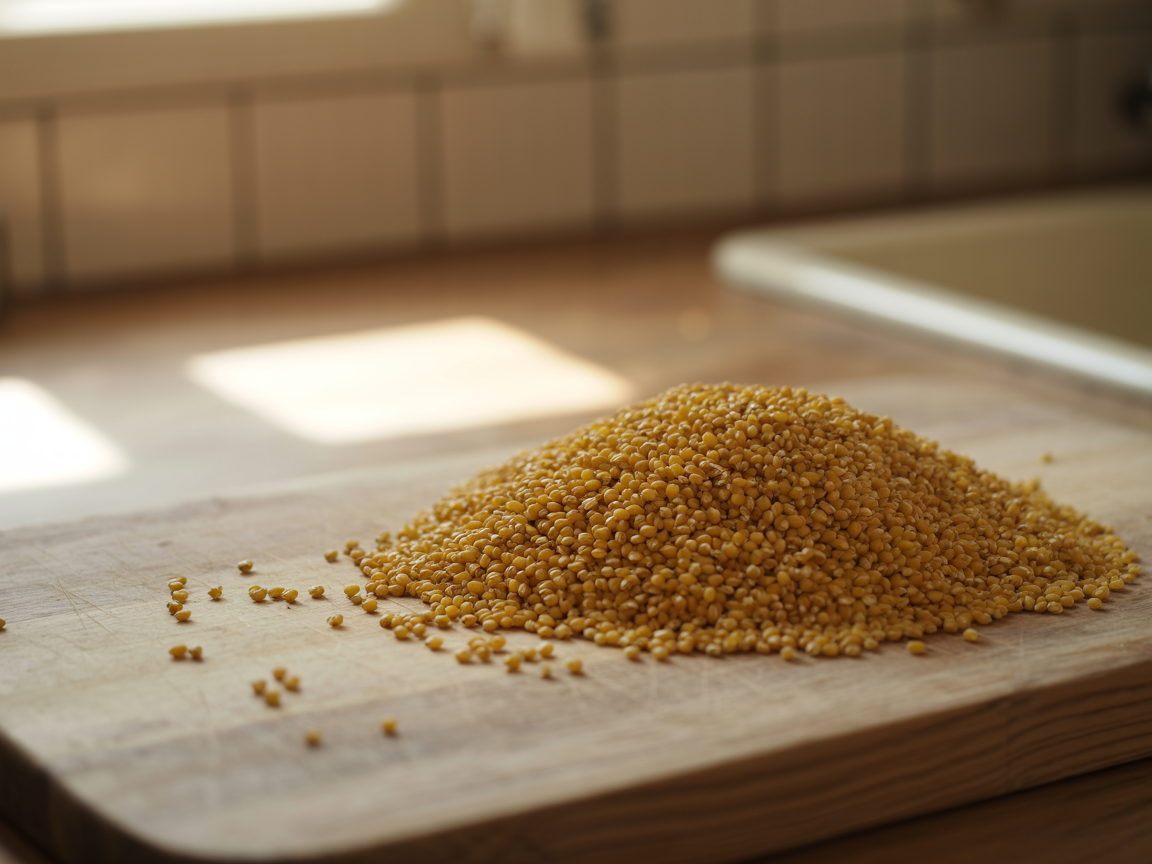
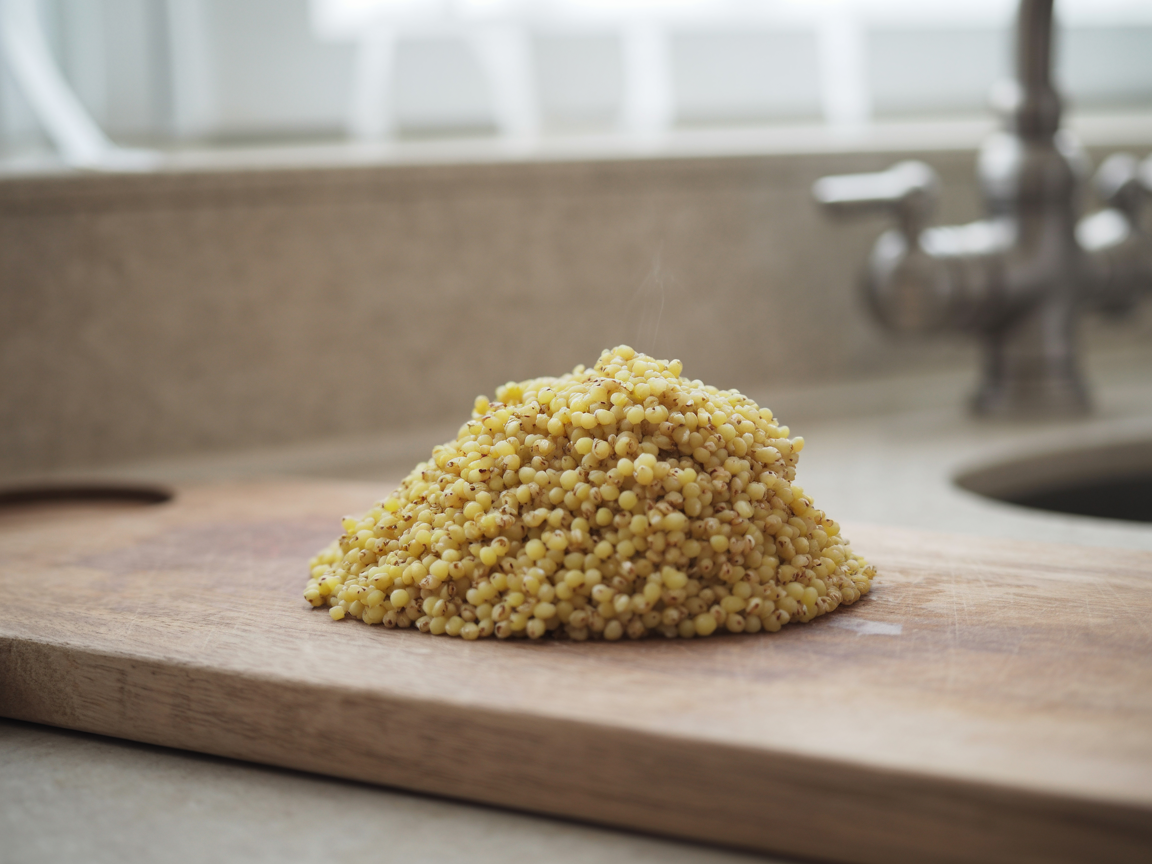
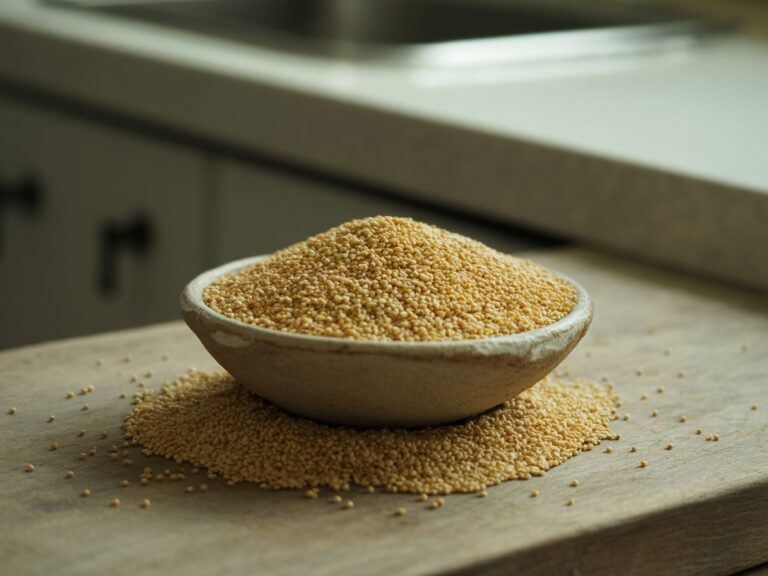
Look for whole amaranth seeds in the bulk bins or natural-foods aisle of well-stocked grocery stores, co-ops, or online. The seeds should be uniformly pale golden or cream-colored with a clean, faintly nutty aroma — any musty or rancid smell is a red flag. Opt for bags labeled gluten-free certified if you’re cooking for someone with celiac disease, since shared equipment can introduce cross-contact. Amaranth flour is sold separately and goes stale faster than whole seeds, so buy it in smaller quantities unless you bake with it regularly.
Types
- Grain amaranth (Amaranthus cruentus / hypochondriacus): The most common type sold for eating; small pale seeds used for porridge, popping, and flour milling.
- Amaranth flour: Ground from raw seeds; has a slightly earthy, nutty taste and works best blended with other flours in baking.
- Popped amaranth: Heat-puffed whole seeds sold ready to eat; light and crunchy, used as a topping or pressed into confection bars.
- Amaranth greens: The leafy tops of the plant are edible and popular in South Asian and African cuisines — cooked like spinach.
Recipes using amaranth
2 recipes across our recipe sites use amaranth. A few favorites:
Cooking with amaranth tonight?
Find amaranth recipes that match your diet — keto, high-protein, vegan, under 30 minutes — and build a shopping list in one tap.
History & origin
Amaranth has been cultivated for at least 8,000 years, serving as one of the primary staple crops of the Aztec civilization in Mesoamerica. It held deep ceremonial significance for the Aztecs, who mixed popped amaranth with honey and sometimes human blood to form ritual figures — a practice that alarmed Spanish colonizers, who suppressed its cultivation after the conquest of Mexico in the early 1500s. Despite efforts to discourage it, amaranth survived in remote communities. It experienced a global revival beginning in the 1970s when researchers and natural-food advocates highlighted its exceptional nutrition, and today it’s grown commercially across the Americas, India, and China.
How it’s made
Amaranth is grown as an annual flowering plant that thrives in warm climates with well-drained soil, tolerating drought and poor growing conditions better than most conventional grains. The plant grows tall — sometimes reaching 6 to 8 feet — and produces dramatic feathery plumes packed with thousands of tiny seeds. At harvest, the seed heads are cut and dried, then threshed and winnowed to separate the seeds from the chaff. Because the seeds are so small, specialized harvesting equipment is typically used in commercial production. The seeds require no further processing before cooking, though they’re also cold-milled into flour or heat-popped for other applications.
Good to know
- A single amaranth plant can produce up to 60,000 seeds — one reason ancient civilizations relied on it so heavily as a calorie crop.
- Amaranth is one of only a handful of plant foods considered a complete protein, containing all nine essential amino acids.
- The name comes from the Greek amarantos, meaning ‘unfading’ — a nod to the plant’s long-lasting, brilliantly colored flowers.
- Popped amaranth is a staple street food in Mexico sold as alegría bars — seeds bound with honey or piloncillo and sometimes studded with dried fruit or nuts.
- NASA studied amaranth as a candidate crop for long-duration space missions because it produces both edible seeds and nutritious greens in a compact, fast-growing plant.