Freekeh
Freekeh is an ancient roasted green wheat with a smoky, nutty depth that makes everyday grains feel extraordinary.
In a nutshell
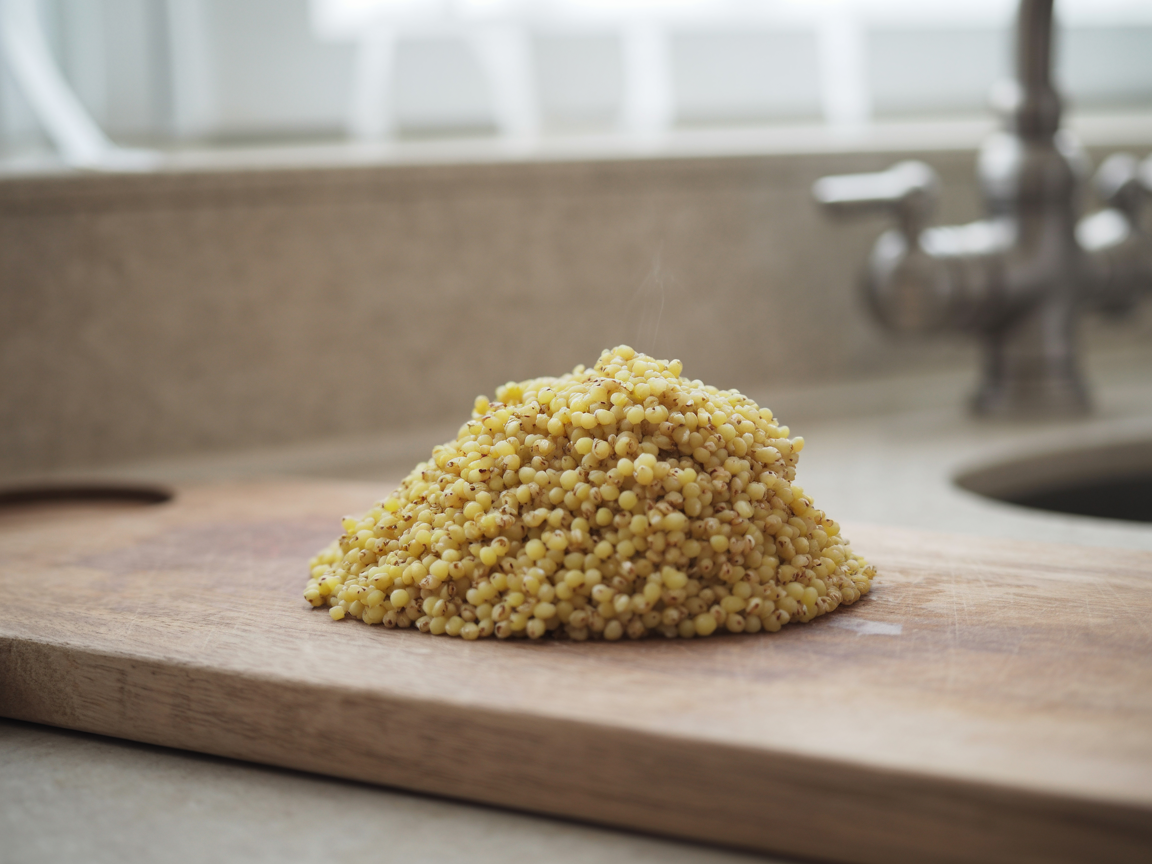
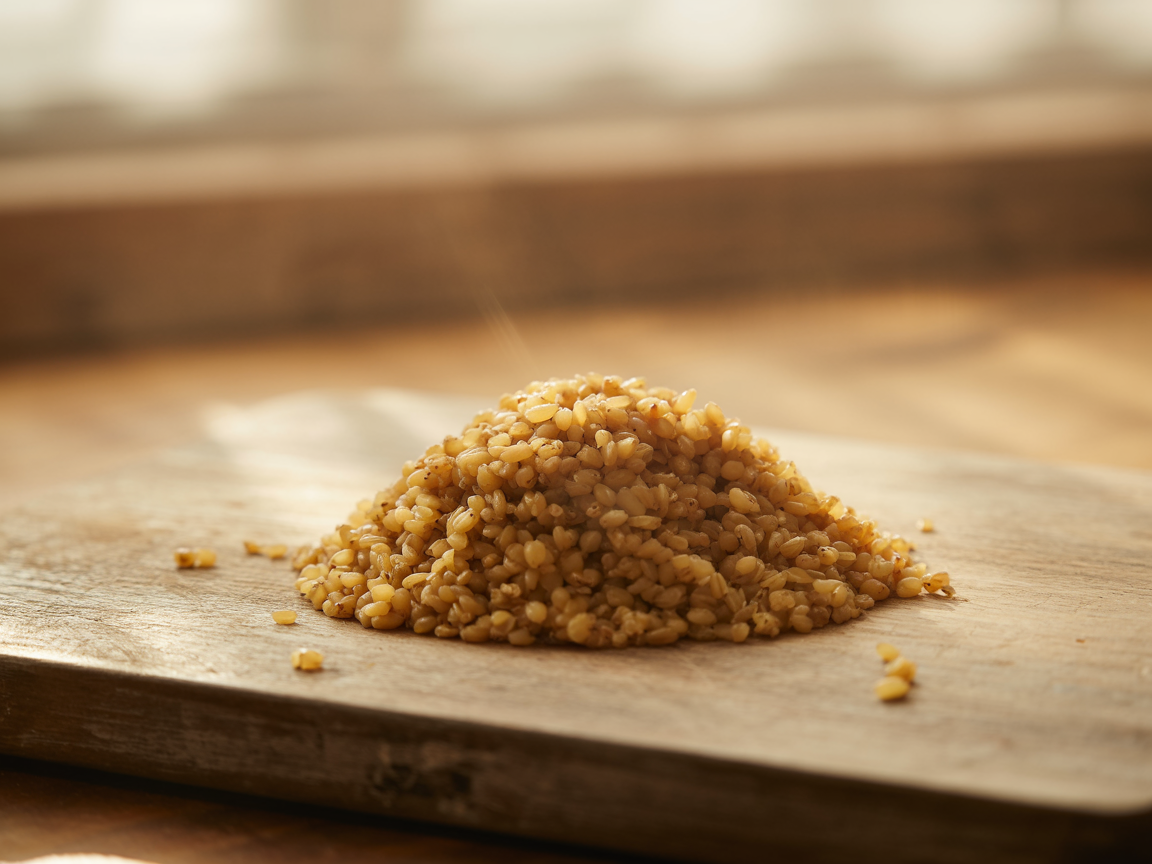
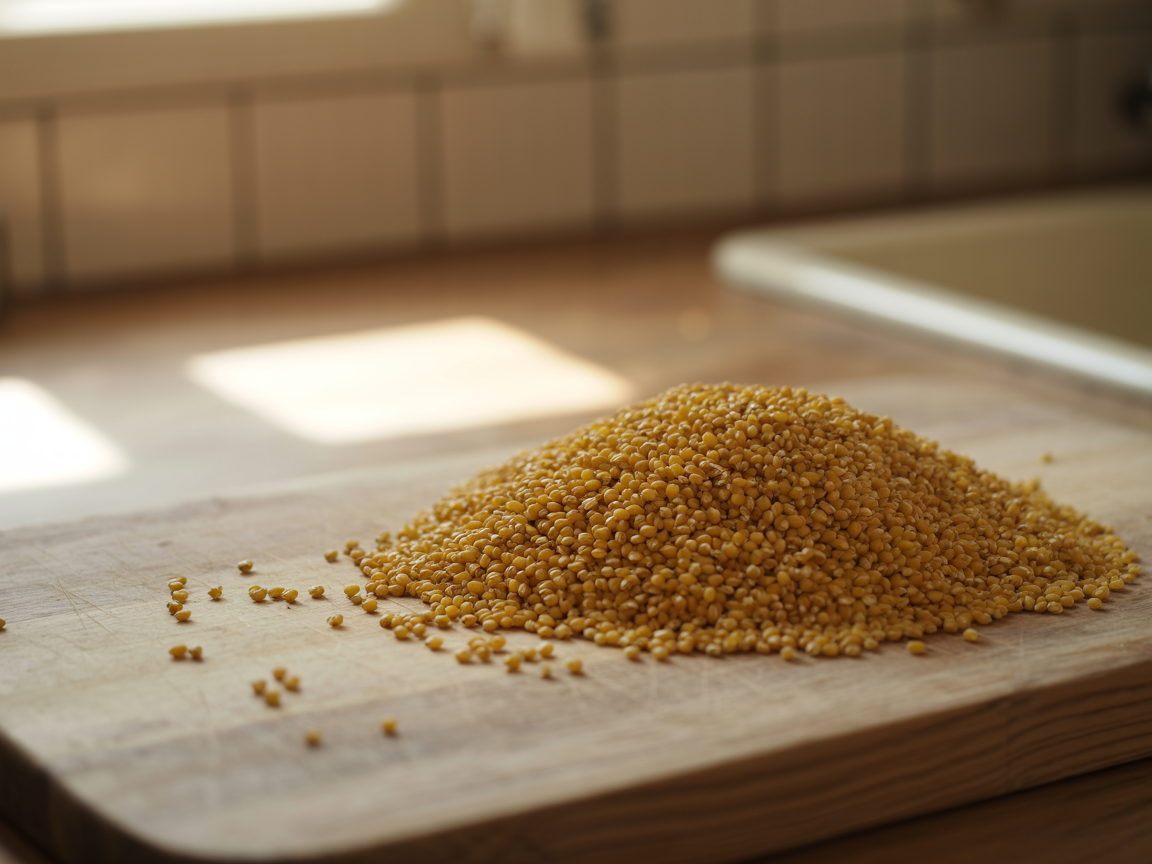
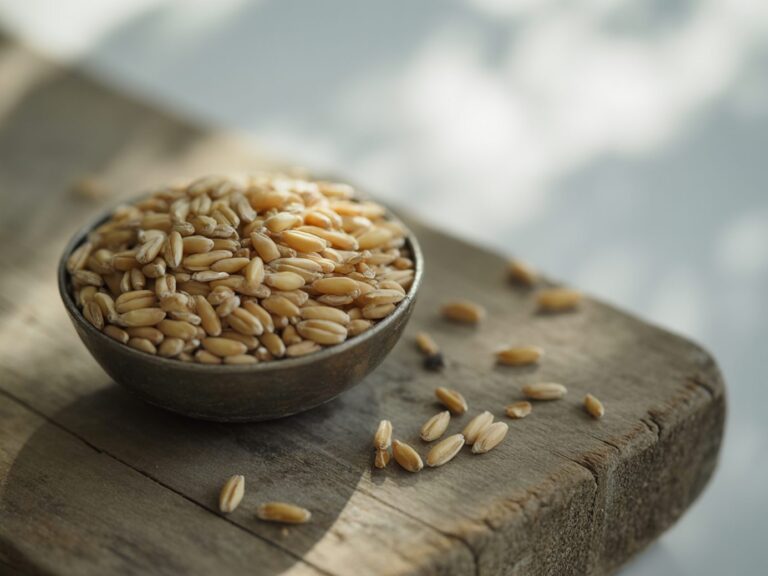
Freekeh is young durum wheat that’s harvested while still green, then roasted over an open flame to lock in a distinctive smoky, slightly grassy flavor. It comes in whole-grain and cracked forms, the latter cooking much faster. Think of it as a more complex, protein-rich alternative to rice or bulgur.
Nutrition
≈ 44 Calories and 0.3g fat per tablespoon.
Freekeh punches well above its weight nutritionally. With roughly 12–13 grams of protein per 100 grams (dry), it outpaces most other grains and makes it a strong choice for plant-forward diets. Its 7–8 grams of fiber support digestive health and help you feel full longer, while its relatively modest fat content keeps it lean. Because it’s harvested young, it retains a higher concentration of certain vitamins and minerals—including iron and zinc—compared with fully mature wheat. The combination of protein and fiber also means freekeh has a lower glycemic impact than refined grains, supporting steadier blood sugar. Nutrition per 100 g.
Culinary uses & pairings
Cracked freekeh is the weeknight workhorse: it cooks in about 15–20 minutes and slips beautifully into pilafs and grain bowls, soaking up spiced broths, roasted vegetable juices, and bright herb-lemon dressings. Whole freekeh takes 40–45 minutes but rewards the wait with a chewy, satisfying bite perfect for hearty soups and stews—it holds its texture where softer grains would turn mushy.
Beyond savory applications, freekeh’s smoky nuttiness makes it surprisingly versatile. Try it as a stuffing base for roasted chicken or squash, fold it into stuffed peppers in place of rice, or use it cold in salads dressed with pomegranate molasses and fresh herbs. It also works as a warm breakfast porridge topped with honey, nuts, and dried fruit when cooked in milk instead of water.
Pairs well with
Substitutions
Buying & storage
Look for freekeh in the bulk bins or international aisle of well-stocked grocery stores, natural food stores, or online. Cracked freekeh is the most common form in the US and the easiest to cook; whole freekeh is less processed and better for slow-cooked dishes. Check the packaging date—fresher product will have a more vivid, grassy-smoky aroma when you open the bag. Avoid any bags with visible moisture or clumping, which signals improper storage.
Types
- Cracked Freekeh: The grain is broken into smaller pieces after roasting, cutting cook time to about 15–20 minutes. Most common in US stores and great for quick weeknight meals.
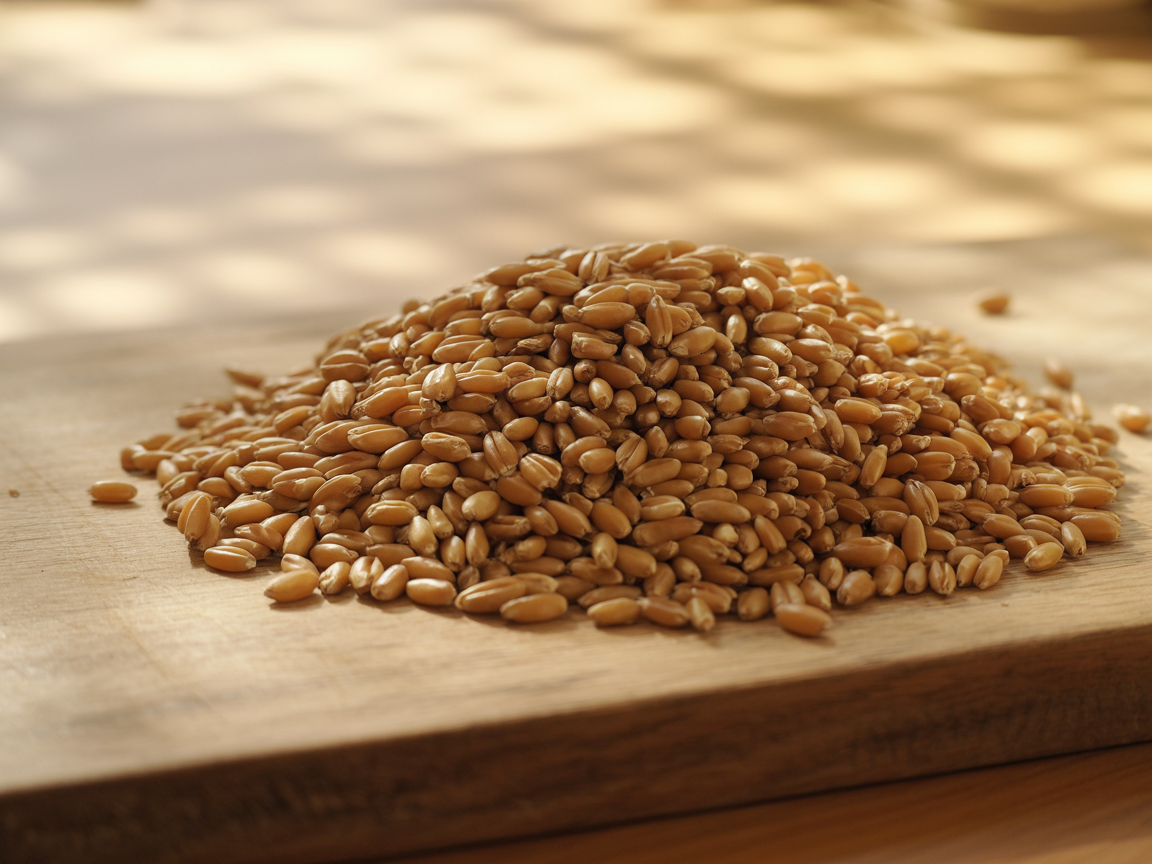
- Whole Freekeh: The intact berry takes 40–45 minutes to cook and delivers a chewier texture. Ideal for soups, stews, and dishes where the grain needs to hold up over long simmer times.
Recipes using freekeh
1 recipes across our recipe sites use freekeh. A few favorites:
Cooking with freekeh tonight?
Find freekeh recipes that match your diet — keto, high-protein, vegan, under 30 minutes — and build a shopping list in one tap.
History & origin
Freekeh’s roots reach back at least 2,000 years across the Levant, Egypt, and North Africa, where it is still a staple comfort food today. Legend holds that its production was discovered by accident when a village’s young wheat crop caught fire—resourceful locals rubbed away the charred chaff and found the roasted green grain inside tasted extraordinary. Whether or not the story is true, the technique of harvesting wheat before full maturity and fire-roasting it became deeply embedded in the cuisines of Syria, Lebanon, Jordan, Palestine, and Egypt. It appears in Arabic culinary texts dating to the medieval period, often paired with spiced meats and fragrant rice or served as a dish in its own right.
How it’s made
Freekeh production begins in late spring when durum wheat is still young and green—before the grain fully dries and hardens. Farmers harvest the stalks while the berries are soft and moist, then pile them and set them alight. Because the grain’s high moisture content protects it from burning, the outer straw and chaff char away while the inner kernel toasts. After the fire dies down, the grain is threshed to remove the blackened debris, then sun-dried and cleaned. For cracked freekeh, the roasted whole berries are then milled into smaller pieces. The result is a grain that carries genuine smoke from an actual fire—not an added flavoring—giving it a character no other wheat product can replicate.
Good to know
- Despite its ancient origins, freekeh only began appearing widely on US restaurant menus and grocery shelves around 2012, riding the wave of interest in ancient grains.
- The name ‘freekeh’ comes from the Arabic word farīk, meaning ‘rubbed,’ referring to the threshing step where charred straw is rubbed away from the grain.
- Because it is harvested young, freekeh contains more of the wheat’s original moisture and nutrients than mature dried wheat—some researchers suggest it retains higher lutein levels, which support eye health.
- Freekeh is a traditional centerpiece of freekeh bil dajaj, a beloved Levantine dish of slow-cooked chicken over spiced freekeh pilaf, enjoyed across Syria, Lebanon, Palestine, and Jordan at celebrations and family gatherings.