Sago
Sago is a starchy, neutral-flavored staple that turns silky and translucent when cooked — a fun pantry surprise.
In a nutshell
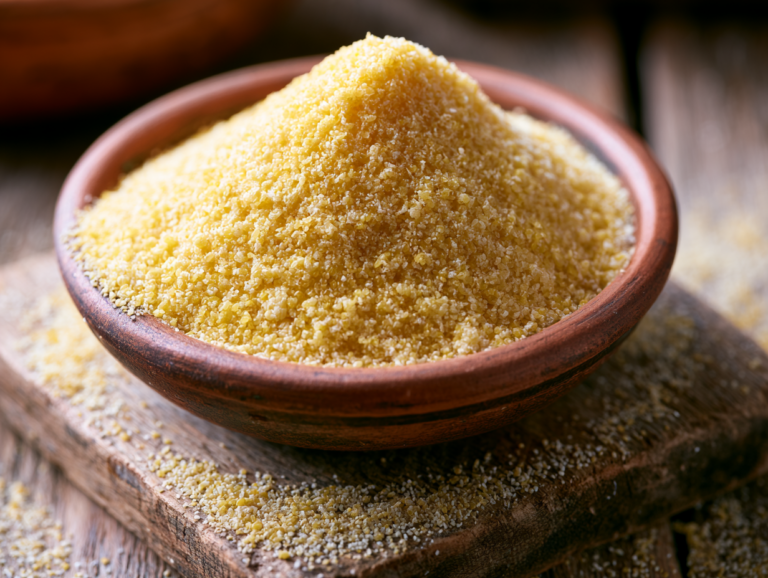
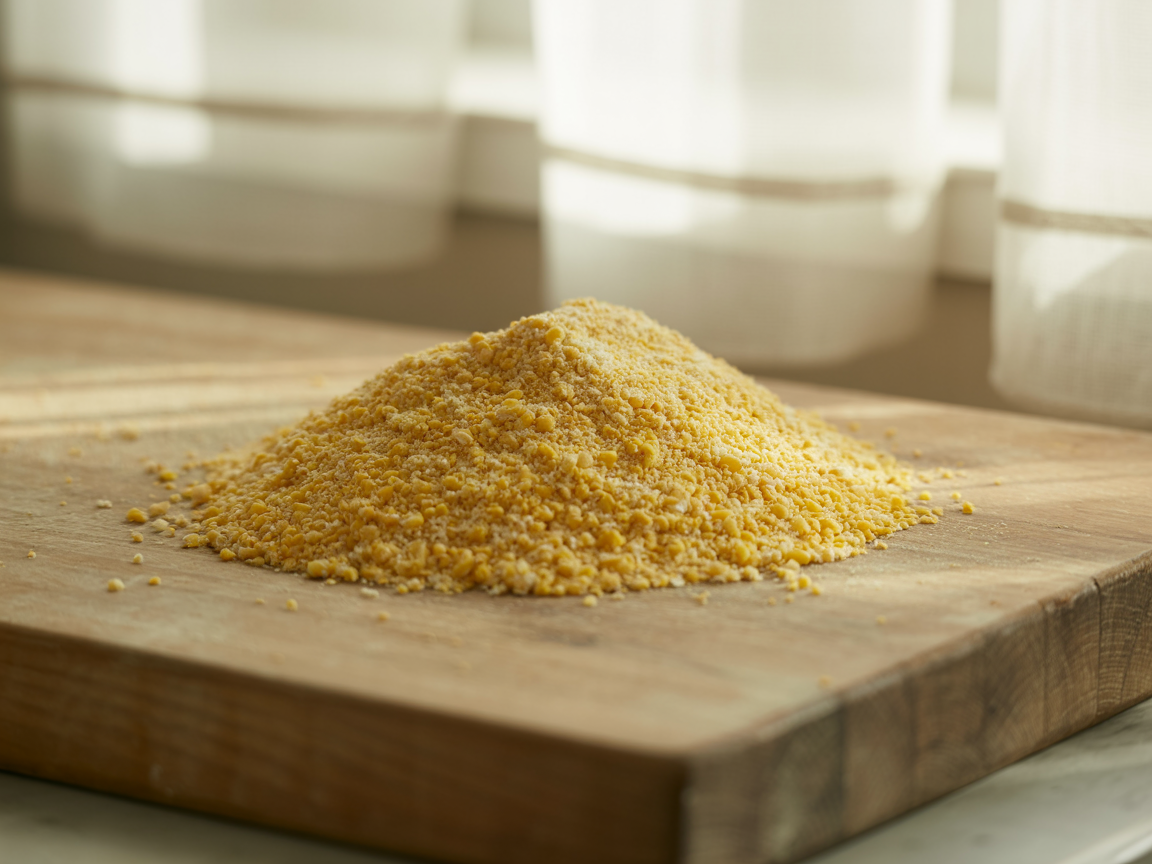
Sago is a pure starch extracted from the pith of tropical palm trees, sold as tiny dried pearls or a fine powder. When simmered in liquid the pearls turn from chalky white to glassy, jewel-like spheres with a pleasing chewy texture. It’s a naturally gluten-free thickener and comfort-food ingredient beloved across South and Southeast Asia.
Nutrition
≈ 28 Calories and 0g fat per tablespoon.
Sago is almost entirely simple carbohydrate, making it a quick, easily digestible energy source that’s naturally free of fat and protein — a quality that makes it gentle on sensitive stomachs and popular in recovery diets. It contains negligible fiber — closer to 0–1 gram per 100 g — which is expected of such a highly refined starch. Because it contributes almost no micronutrients on its own, sago is best treated as a carrier ingredient, paired with nutrient-rich milks, fruits, or legumes that bring vitamins and minerals to the bowl. Nutrition per 100g via Spoonacular.
Culinary uses & pairings
In the United States sago pearls are most familiar in creamy milk puddings — simmered slowly in whole milk or coconut milk with sugar and vanilla until the pearls turn translucent and the custard thickens to a silky, lightly gelled consistency. The same technique works beautifully with plant-based milks, and a handful of cardamom or pandan leaf can take the dessert in an Indian or Southeast Asian direction. Smaller-pearl sago also works as a swap for tapioca in bubble tea.
Beyond dessert, sago powder or small pearls act as a neutral thickener in clear soups, congees, and braised dishes, creating a glossy, velvety body without clouding the broth or adding flavor. In Indian cooking, sago (called sabudana) is soaked, then pan-fried with peanuts, cumin, and green chile for the popular sabudana khichdi — a filling dish eaten during religious fasting days.
Pairs well with
Substitutions
Buying & storage
Look for sago in Asian grocery stores, Indian supermarkets, or online; it’s usually sold as small white pearls (2–4 mm) labeled ‘sago pearls’ or, in Indian stores, as sabudana. Choose packages that are pure white without yellowing or clumping, and check that the pearls are uniform in size so they cook evenly. Sago powder is less common but can be found in specialty baking shops. Avoid confusing sago with large ‘boba’ tapioca pearls — while related in texture, they’re a different product and require different cooking times.
Types
- Small sago pearls: The most common form in the US — roughly 2–3 mm, cooks in about 15–20 minutes and suits puddings, soups, and khichdi.
- Large sago pearls: Less common; closer in size to boba, chewier when cooked, and well suited to bubble-tea-style drinks and dessert soups.
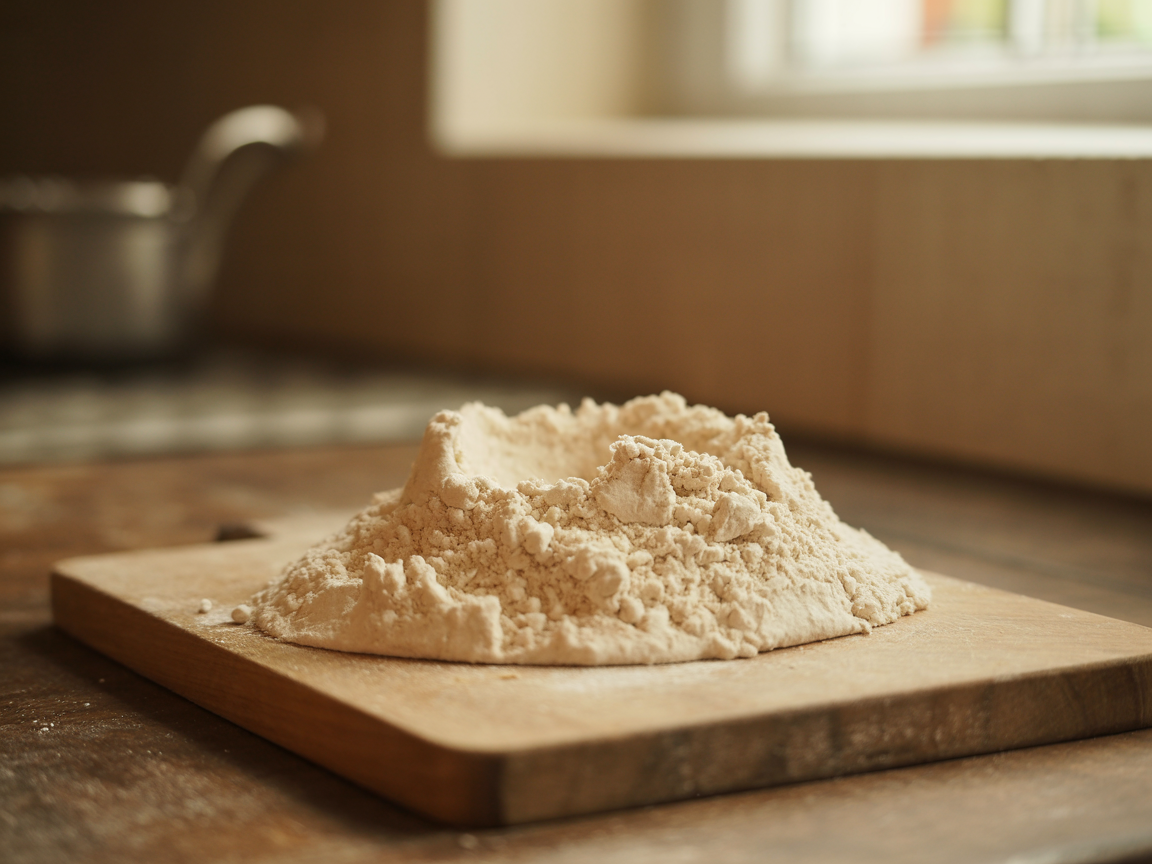
- Sago flour / powder: Finely milled sago starch used as a pure thickener or in gluten-free baking; gives a slightly glossier result than cornstarch.
Cooking with sago tonight?
Find sago recipes that match your diet — keto, high-protein, vegan, under 30 minutes — and build a shopping list in one tap.
History & origin
Sago has been a dietary staple in the rainforests of New Guinea, Indonesia, and Malaysia for thousands of years, where indigenous communities relied on sago palms as a critical famine food — a single mature palm can yield a significant quantity of starch, making it a vital calorie source. Arab and Indian traders carried sago across the Indian Ocean to South Asia centuries ago, and European colonists later introduced it to Britain and beyond as a nursery food and invalid diet staple. By the 19th century, ‘sago pudding’ was a fixture of British and American nursery cooking, considered easily digestible and nourishing for children and the ill. Today sago remains an everyday ingredient across South and Southeast Asia, while in the West it is enjoying a quiet revival among gluten-free and plant-based cooks.
How it’s made
Sago starch comes from the sago palm (Metroxylon sagu), which stores enormous quantities of starch in its trunk in the years just before it flowers for the first time. Harvesters fell the palm just before flowering — typically at 7–15 years — and split the trunk to expose the starchy pith. The pith is rasped, mixed with water, and kneaded to release the starch granules, which are then filtered and settled out of the liquid. The wet starch is dried, then pushed through a sieve or extruded to form the familiar small round pearls; heat during processing partially gelatinizes them into their finished opaque white shape. Much of the traditional processing is done by hand in small mills across Indonesia, Malaysia, and Papua New Guinea.
Good to know
- A single mature sago palm can yield between 400 and 800 pounds (180–360 kg) of dry starch, making it one of the most productive starch crops per plant.
- Sago was a fixture of British nursery and invalid cooking in the 1800s; it was sometimes called ‘poor man’s tapioca’ in that context, though the two plants are entirely unrelated.
- Unlike most crops, the sago palm grows in tropical swamps and requires relatively little cultivation, irrigation, or fertilizer compared to conventional starch crops, lending it a low-input profile.
- The word ‘sago’ comes from the Malay word sagu, which has been used for centuries to describe both the palm and the starch it produces.
- Sago is one of the few staple foods naturally free of the top common allergens — no gluten, no nuts, no dairy — making it a go-to for cooks managing multiple food sensitivities.