Flageolet Beans
Flageolet beans are the delicate, pale-green darlings of French country cooking—mild, creamy, and endlessly versatile.
In a nutshell
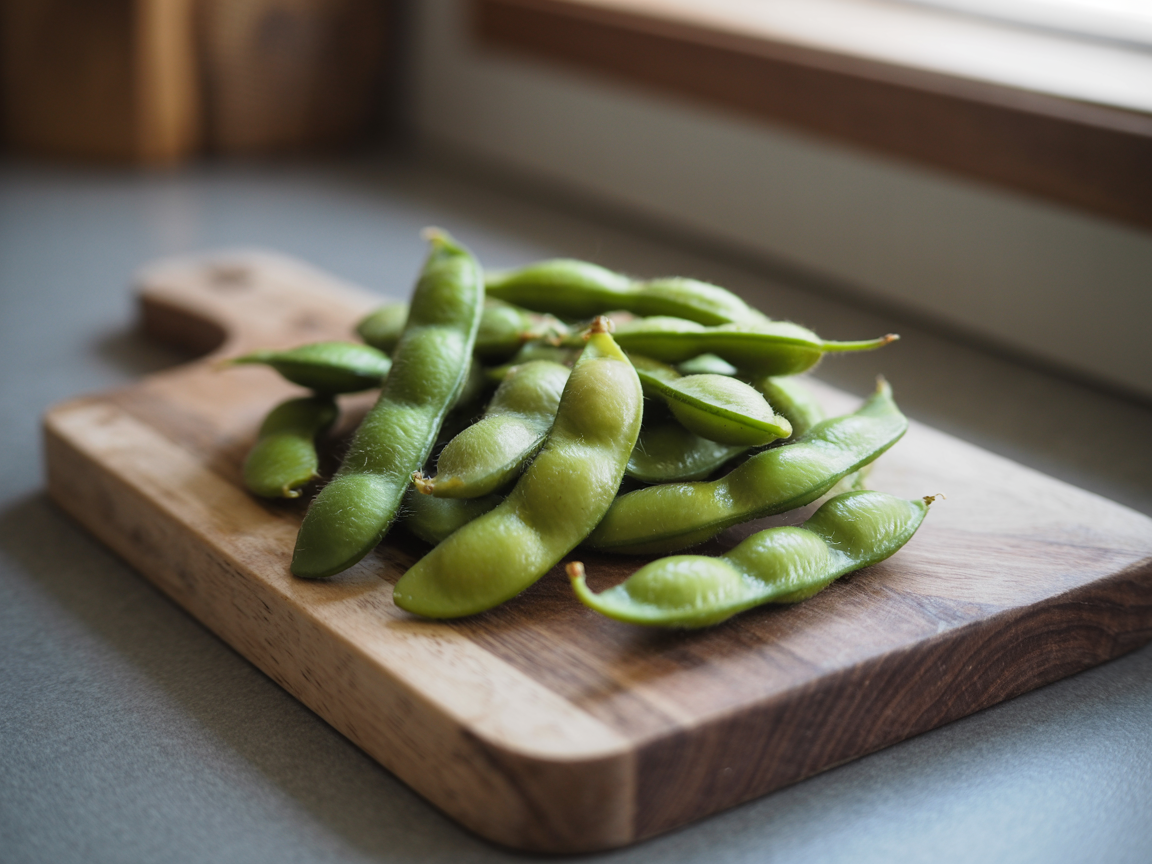
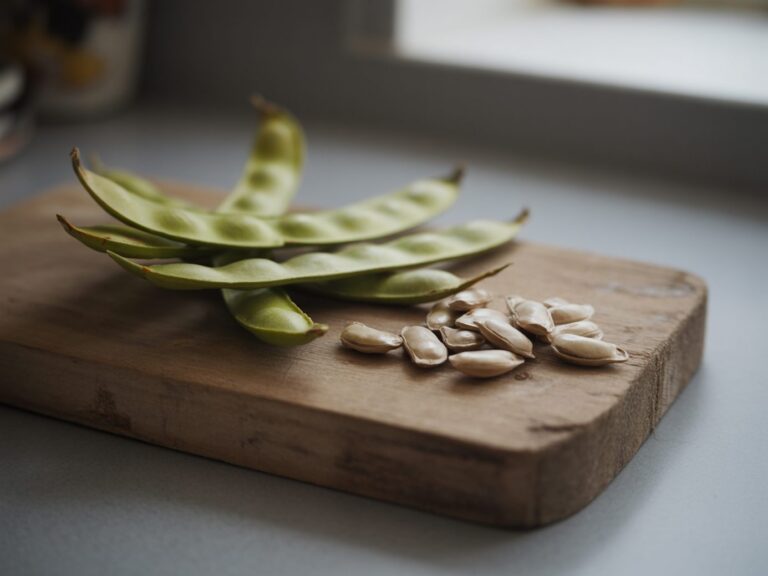
Flageolet beans are small, kidney-shaped legumes harvested young, which gives them a soft celadon color and a gentle, slightly herby flavor. They’re a French classic, famous as the traditional partner to roast lamb. Their thin skin and buttery texture make them one of the most refined beans you can put on the table.
Nutrition
≈ 45 Calories and 0.1g fat per tablespoon.
Flageolets punch well above their weight nutritionally, delivering a meaningful amount of plant-based protein—roughly 6–8 grams per 100 grams cooked, or around 22–23 grams per 100 grams dried—making them a solid legume choice for home cooks. Their carbohydrate content fuels steady energy, and because they’re naturally very low in fat with virtually no saturated fat, they’re a heart-friendly choice. Sodium is remarkably low in the dried form, giving you full control over seasoning. Like most legumes, they’re a source of iron, potassium, and B vitamins, including folate, which supports cell health and is especially important during pregnancy. Nutrition per 100g via Spoonacular.
Culinary uses & pairings
Flageolets are the quintessential French braising bean. They’re most famously simmered slowly with aromatics—garlic, thyme, bay leaf, and a splash of white wine—and served alongside a leg of lamb or tucked into a classic cassoulet. Their thin skins absorb braising liquid beautifully without breaking apart, so they hold their elegant shape even after long cooking.
Beyond French classics, flageolets shine in simple preparations that let their flavor speak. Toss warm, cooked beans with good olive oil, shallots, fresh herbs, and a squeeze of lemon for an effortless side dish. They also work beautifully in creamy soups, rustic white-bean stews, and grain bowls, and they can be mashed into a smooth purée as an alternative to mashed potatoes.
Pairs well with
Substitutions
Buying & storage
Look for dried flageolets at specialty grocery stores, French or European delis, or online retailers—they can be tricky to find at a standard supermarket. Choose bags where the beans are uniform in size with a pale sage-green to ivory color; deeply yellowed or dull-gray beans are old and will cook up chalky. Canned flageolets are sometimes available at gourmet shops and are a perfectly respectable convenience option; check that the only ingredients are beans, water, and perhaps a little salt. Avoid any bags with visible cracks, shriveling, or dusty residue at the bottom.
Types
- Flageolet Vert: The classic French variety harvested when young and still green; prized for its delicate color, thin skin, and subtle herby sweetness.
- Chevrier Vert: An heirloom variety developed in France in the 1870s and considered the benchmark; it retains its green color especially well after cooking.
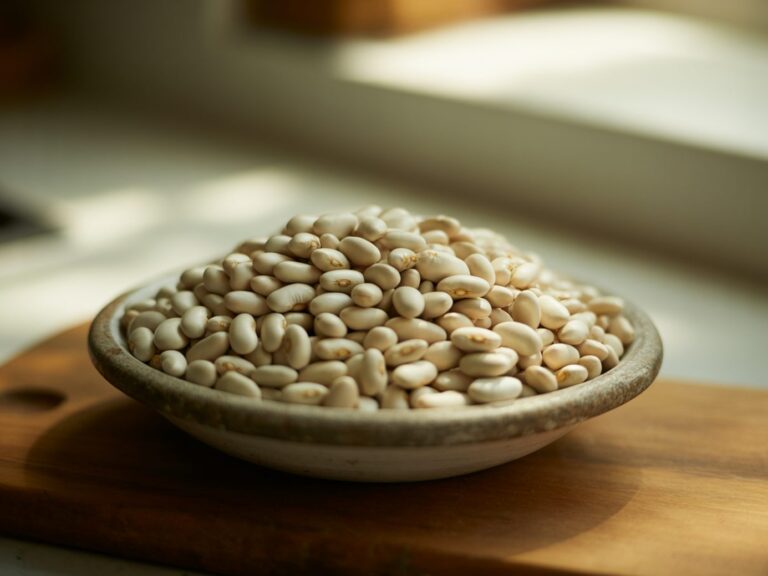
- Dried (fully mature) flageolet: Beans allowed to dry fully in the pod turn pale ivory or cream; milder in color but still deliver the characteristic smooth, creamy texture.
Cooking with flageolet beans tonight?
Find flageolet beans recipes that match your diet — keto, high-protein, vegan, under 30 minutes — and build a shopping list in one tap.
History & origin
Flageolet beans are a distinctly French culinary treasure, developed in the mid-19th century by Gabriel Chevrier, a market gardener from Bretigny-sur-Orge in the Essonne region south of Paris, who selectively bred kidney beans to be harvested young and green. The Chevrier Vert variety that carries his name became the gold standard and remains so today. The beans became deeply embedded in French cuisine, and their association with roast leg of lamb—a pairing so classic it’s considered almost a culinary law in France—cemented their status as a special-occasion bean. They were introduced to American cooks gradually through French culinary influence but remain far less common in US kitchens than they deserve.
How it’s made
Flageolets are a type of common bean (Phaseolus vulgaris) grown much like other shell beans, but harvested at a critical window—after the seeds have fully formed but before the pod dries. This early harvest is what locks in the signature pale-green color and tender texture. The freshly harvested beans can be sold as fresh shell beans (rare outside France) or are gently dried at low temperatures to preserve color and prevent the skins from toughening. Because they’re not fully matured on the vine the way standard dried beans are, flageolets have thinner skins and a finer texture once cooked. Most of the flageolets sold in the US arrive as dried beans, having been grown primarily in France or, increasingly, on specialty farms in the Pacific Northwest.
Good to know
- The name flageolet is said to derive from the Latin phaseolus (bean), though a popular folk etymology links it to the French word for a small flute, referencing the bean’s slender shape.
- In France, serving flageolets with a gigot d’agneau (roast leg of lamb) is so traditional that the beans are sometimes called ‘the chevrier’ in homage to their creator.
- Flageolets are harvested by hand because the timing is so precise—just a few days too long on the vine and they lose their green color and delicate texture.
- Fresh flageolets are a seasonal treat in France during late summer, but they’re almost never sold fresh in US markets, making the dried version the default choice for American cooks.
- Despite their refined reputation, flageolets are considered one of the easier beans to digest, a quality often attributed to their thin skins and early harvest before full starch development.