Camel
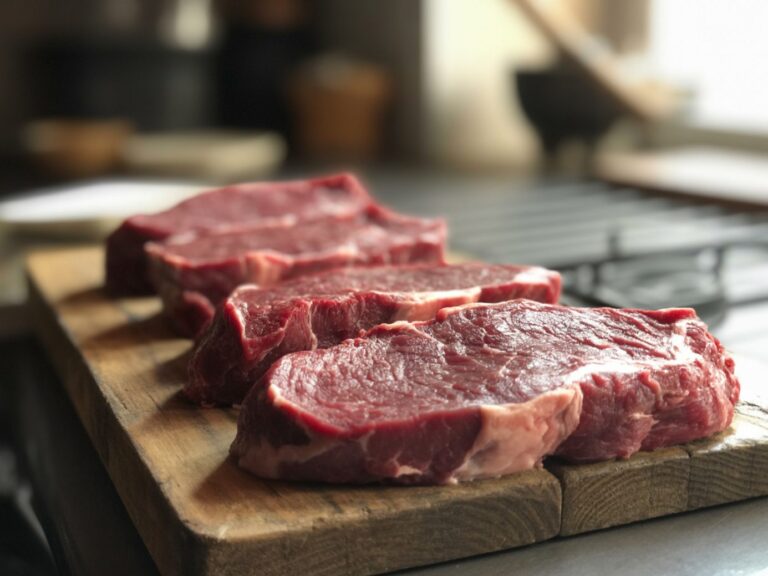
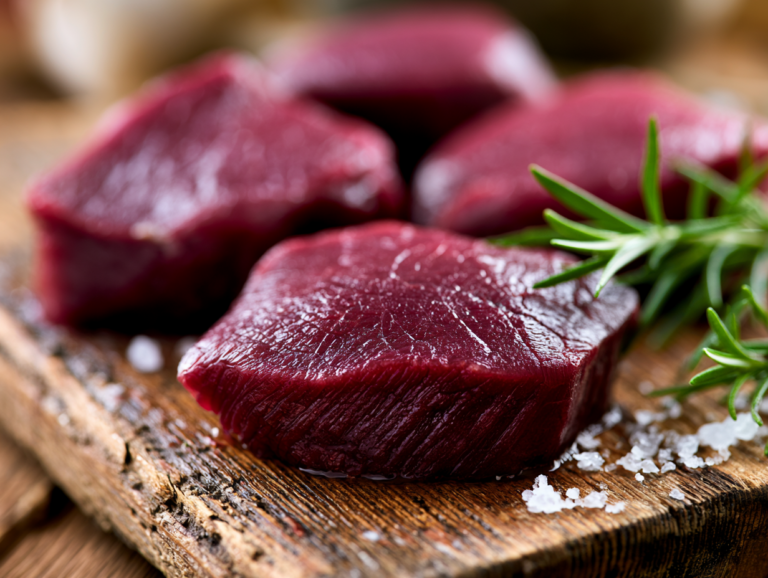
Camel meat is a lean, flavorful red meat beloved across the Middle East, North Africa, and Central Asia—and gaining curious fans in the US.
In a nutshell
Camel is a lean, mildly gamey red meat with a flavor often compared to a cross between beef and lamb. It’s prized for its tenderness when slow-cooked and its surprisingly low fat content. In the US it’s a specialty item, but it’s becoming easier to find through halal butchers and online retailers.
Nutrition
Camel meat is notably lower in fat and cholesterol than beef while delivering a solid punch of high-quality protein—making it attractive to health-conscious cooks curious about alternative proteins. It’s a good source of iron, zinc, and B vitamins, particularly B12 and niacin, which support energy metabolism and immune function. The fat that is present skews toward unsaturated fatty acids, giving it a somewhat more favorable lipid profile than many conventional red meats. It also provides meaningful amounts of potassium and phosphorus. Nutrition per 100g via Spoonacular.
Culinary uses & pairings
Camel shines brightest in long, slow cooking methods—braising, stewing, and slow-roasting—that break down its dense muscle fibers into tender, juicy bites. Classic preparations include slow-simmered tagines and hearty spiced stews and soups. Ground camel meat works beautifully in kebabs, kofta, burgers, and meat sauces, where its mild gaminess adds depth without overwhelming other flavors.
For quicker cooking, younger camel cuts (from animals under three years old) can be grilled or pan-seared like steak, though they benefit from a marinade to add moisture. The hump fat—rendered and used like lard—is a traditional cooking fat in some cultures and can lend richness to dishes the way bone marrow does in Western cooking.
Pairs well with
Substitutions
Buying & storage
In the US, camel meat is most reliably found at halal butchers, Middle Eastern or Somali grocery stores, and through specialty online meat retailers that ship frozen. Look for meat with a deep red to burgundy color and minimal discoloration; younger animals (under three years) yield more tender cuts, so ask your butcher about the animal’s age if possible. Ground camel is often the easiest entry point. Because supply chains are limited, frozen camel is perfectly acceptable—just thaw it slowly in the refrigerator for the best texture.
Types by Age and Cut
- Young camel (under 3 years): The most tender meat, lighter in color and milder in flavor; suitable for grilling and shorter cooking times.
- Adult camel (3 to 8 years): Richer flavor and denser muscle; best suited to long braises, stews, and slow roasting.
- Dromedary (one-humped): The most commonly eaten species worldwide; leaner meat with a relatively mild flavor.
- Bactrian (two-humped): Found in Central Asia; slightly fattier and considered richer in flavor, though rarer in US markets.
- Hump meat and fat: A prized cut—the fat is creamy and rich, used rendered as a cooking fat or eaten as a delicacy.
Cooking with camel tonight?
Find camel recipes that match your diet — keto, high-protein, vegan, under 30 minutes — and build a shopping list in one tap.
History & origin
Camels were first domesticated on the Arabian Peninsula around 3,000 BCE primarily as pack animals, but their meat and milk quickly became important food sources across the Middle East, North Africa, and Central Asia. Camel meat has long held cultural and ceremonial significance—it is traditionally slaughtered for important celebrations and feasts in many Muslim-majority cultures, and is a staple protein in countries like Somalia, Ethiopia, Saudi Arabia, and Kazakhstan. The meat traveled along ancient trade routes and became woven into the culinary identities of entire regions. In recent decades, camel farming for meat has expanded in Australia, where feral camel populations are harvested commercially, and small camel ranches have begun appearing in the United States.
How it’s made
Camel raised for meat is typically pasture- or range-grazed on desert scrub, grasses, and browse, which contributes to its lean muscle development and distinctive flavor. Animals intended for meat are usually slaughtered between one and eight years of age depending on the desired tenderness and flavor profile—younger animals are butchered for more delicate cuts, while older animals are processed into stew meat and ground product. Like beef, the carcass is broken down into primal and subprimal cuts: the leg, shoulder, rack, loin, and the prized hump. In many producing countries, halal slaughter practices are standard. Because the meat is very lean, processors and butchers often recommend keeping it well-rested after cutting to allow the muscle fibers to relax before cooking.
Good to know
- A single adult dromedary camel can yield roughly 400 to 500 pounds (180 to 225 kg) of meat.
- Camel milk is consumed far more widely than camel meat globally, but in Somalia, camel meat accounts for a significant share of total meat consumption.
- Australia has one of the world’s largest feral camel populations—estimated in the hundreds of thousands—and exports camel meat to the Middle East and Asia.
- The camel’s hump does not store water; it stores fat, which is why hump meat is unusually rich and calorie-dense compared to the rest of the animal.
- Camel meat is explicitly permitted under Islamic dietary law (halal), and its consumption is mentioned historically in early Islamic texts.