Ostrich
Ostrich is a surprisingly lean, beefy-tasting red meat that brings gourmet flair to everyday cooking.
In a nutshell
Ostrich is a red meat from the world’s largest bird, raised on farms across the US and South Africa. It looks and tastes remarkably like lean beef but carries a fraction of the fat. Home cooks can use it anywhere they’d reach for a premium steak or ground beef.
Nutrition
Ostrich is a nutritional standout among red meats, delivering high-quality complete protein with very little saturated fat — comparable to or lower than skinless chicken breast in some cuts. It is an excellent source of iron and zinc, making it a smart pick for those who love red meat but watch cardiovascular health. It also provides meaningful amounts of B vitamins, especially B12 and niacin, which support energy metabolism and nerve function. Because of its low fat content, ostrich is lower in calories than most beef cuts of comparable size. Nutrition per 100g via Spoonacular.
Culinary uses & pairings
Ostrich fan fillets and steaks are best cooked quickly over high, dry heat — a screaming-hot cast-iron skillet or grill works beautifully. Aim for medium-rare to medium (an internal temperature of 145–160 °F / 63–71 °C) because the meat dries out fast if overcooked. A simple seasoning of salt, pepper, and a herb butter finish lets its natural, beefy flavor shine.
Ground ostrich swaps seamlessly into burgers, meatballs, chili, and Bolognese sauce anywhere you’d use lean ground beef. Because it’s so lean, adding a small amount of olive oil or a slice of cheese to burgers helps keep them juicy. Ostrich also takes well to slow-braised preparations like stew or ragù, where the low fat marries with a rich, savory cooking liquid.
Pairs well with
Substitutions
Buying & storage
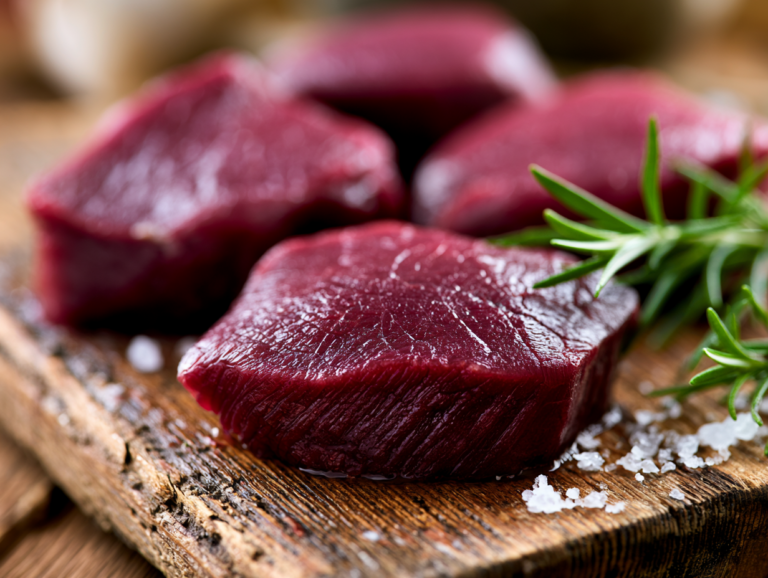
Look for ostrich at specialty butcher shops, farmers’ markets, or reputable online meat retailers. Fan fillet (from the thigh) is the most prized cut — it should be a deep, jewel-toned burgundy-red with virtually no visible fat or marbling. Avoid any cut that looks grayish, feels tacky, or smells off. Ground ostrich should be bright red and moist without puddles of liquid in the package. If buying frozen, choose vacuum-sealed packages with no sign of freezer burn or ice crystals inside the seal.
Cuts
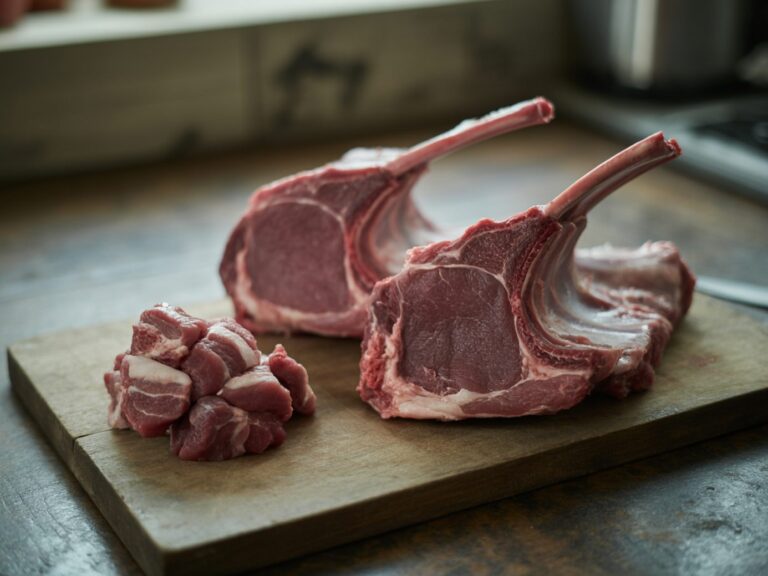
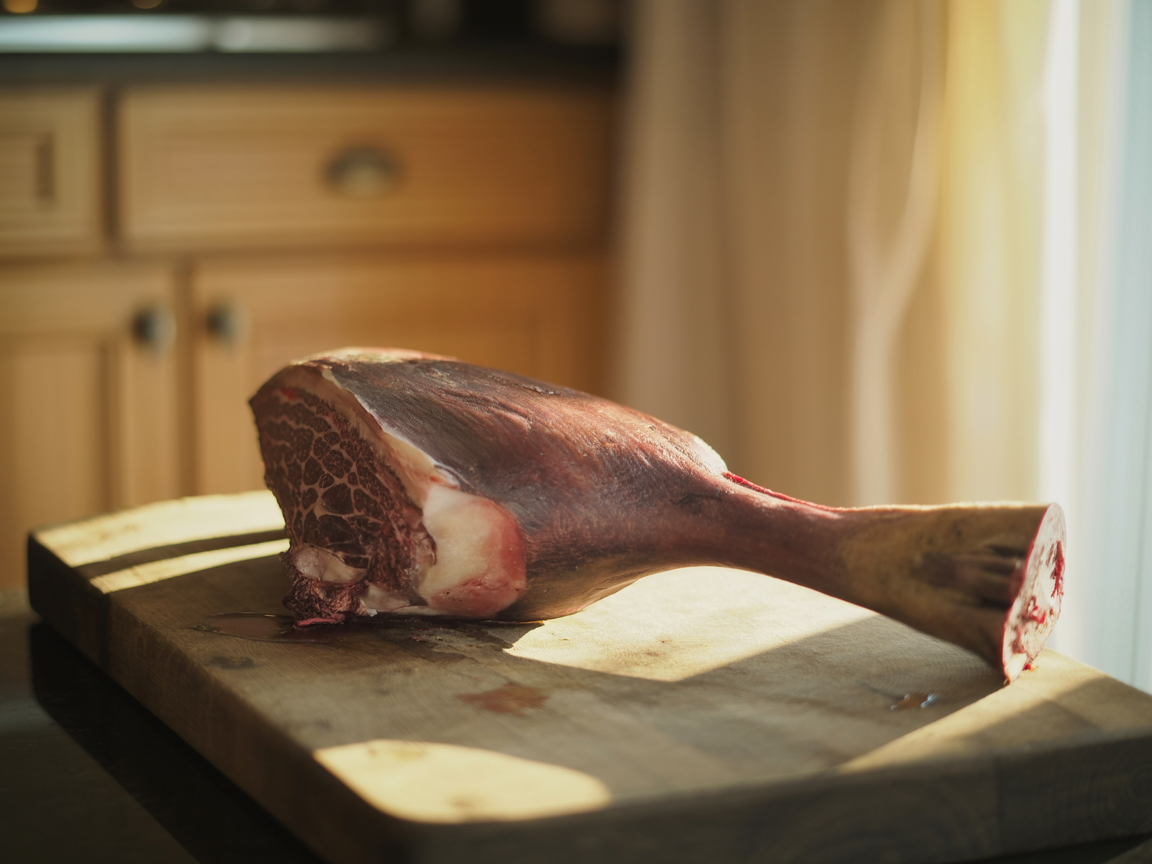
- Fan Fillet: The premium cut from the outer thigh — large, tender, and nearly fat-free; ideal for steaks and grilling.
- Inside Strip: A slightly smaller, equally tender muscle; great for medallions and pan-searing.
- Outside Strip: Leaner and firmer than the fan fillet; works well sliced thin for stir-fries or marinated kebabs.
- Ground Ostrich: Versatile and widely available; use it in burgers, meatballs, chili, and meat sauces.
- Ostrich Neck / Stew Meat: Tougher cuts best suited for low-and-slow braises, stews, and stocks where collagen breaks down into rich gelatin.
Cooking with ostrich tonight?
Find ostrich recipes that match your diet — keto, high-protein, vegan, under 30 minutes — and build a shopping list in one tap.
History & origin
Ostriches have been prized in Africa for thousands of years — first for their feathers, eggs, and leather, and eventually for their meat. Organized ostrich farming took off in South Africa during the 19th century, centered around Oudtshoorn in the Western Cape, which remains a major hub for the world’s ostrich products today. Commercial ostrich farming spread to the United States in the 1980s and 1990s as consumer interest in lean, alternative proteins grew. Though the American ostrich industry contracted after an early boom, a steady network of small farms now supplies specialty butchers and online retailers across the country.
How it’s made
Ostriches are farmed on open rangeland, where they graze on grasses and are supplemented with grain-based feed. They reach market weight — typically around 220 to 320 pounds (100 to 145 kg) live — at roughly 12 to 14 months of age. The birds are processed in USDA-inspected facilities following established protocols. Because ostriches are classified as ratites (flightless birds), their leg-dominant musculature produces large, deep-red cuts that are biochemically closer to beef than to chicken or turkey, with high myoglobin levels that explain both the color and the beefy flavor.
Good to know
- Ostrich meat is officially classified as a red meat by the USDA, even though it comes from a bird.
- A single ostrich fan fillet can weigh up to 2 pounds (about 900 g), making it one of the largest single-muscle cuts from any bird.
- Ostrich has significantly less fat than a comparable beef sirloin steak, yet a similar iron content.
- Ostriches can live 40 to 45 years in the wild, but farm birds raised for meat are typically processed at just over a year old.
- South Africa’s Oudtshoorn region is sometimes called the “ostrich capital of the world” and hosts farms that have operated for well over a century.