Fonio
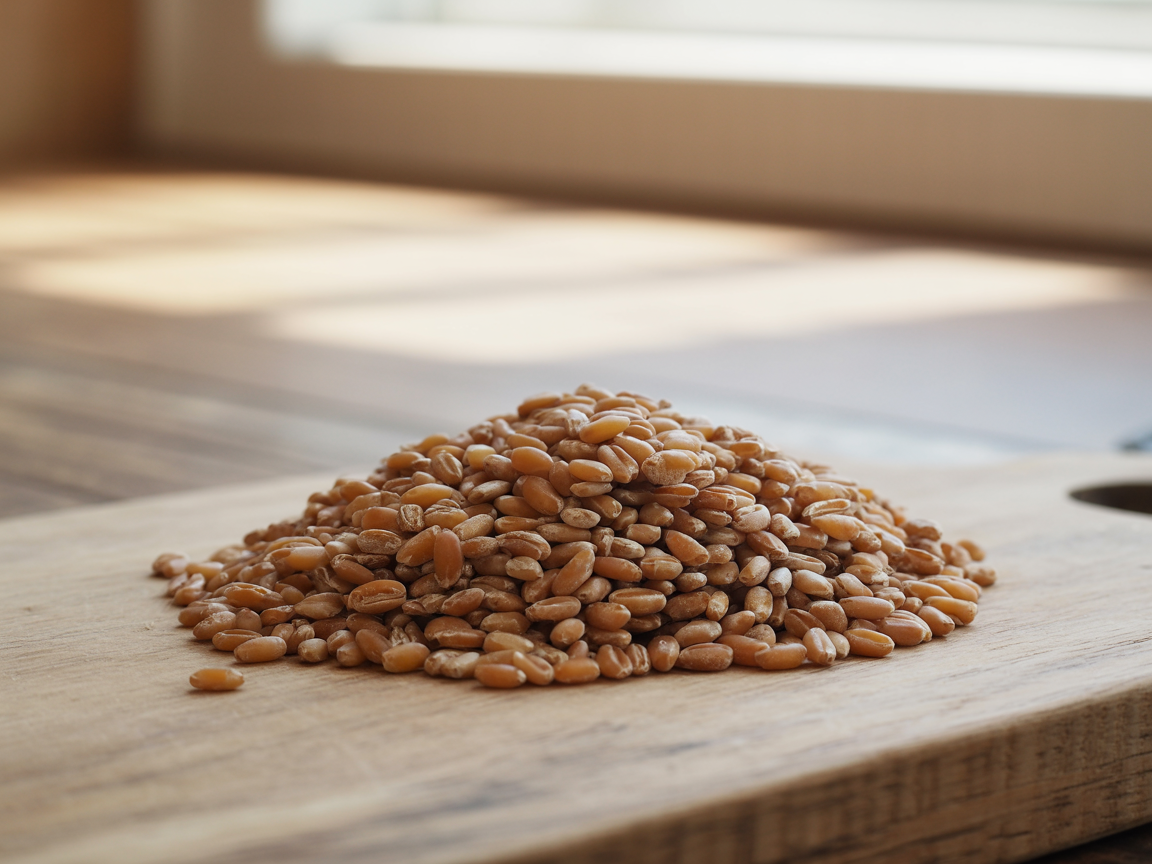
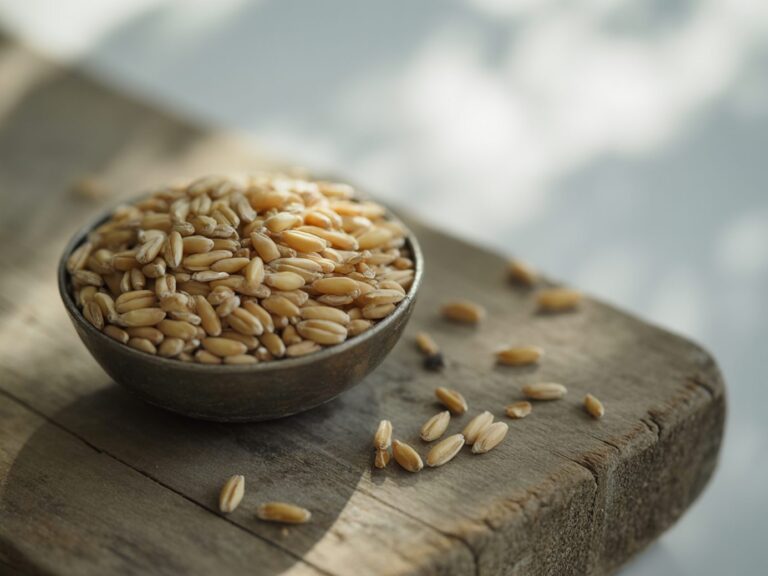
Fonio is a tiny, nutty ancient grain from West Africa that cooks up fluffy and gluten-free in just minutes.
In a nutshell
Fonio is one of Africa’s oldest cultivated grains, prized for its light, slightly nutty flavor and feathery texture. It cooks in about 5 minutes, making it one of the fastest whole grains you can put on the table. Naturally gluten-free and packed with amino acids, it’s a versatile pantry staple for adventurous home cooks.
Nutrition
Fonio stands out nutritionally because it contains meaningful amounts of methionine and cystine, two sulfur-containing amino acids that are scarce in most other grains and legumes. It provides B vitamins — including thiamine and niacin — along with iron, zinc, and magnesium. Its lower glycemic index compared to white rice or refined wheat makes it a popular choice for people managing blood sugar. Because it is completely gluten-free, it is safe for those with celiac disease or gluten sensitivity when processed in a dedicated facility. Nutrition per 100g via Spoonacular.
Culinary uses & pairings
Fonio shines as a pilaf or side dish: toast the dry grains briefly in a dry pan or with a little oil to deepen their nutty aroma, then simmer in broth or water (roughly 1 cup fonio to 2 cups liquid) until the liquid is absorbed — usually 3 to 5 minutes. Fluff with a fork and finish with herbs, citrus zest, or a drizzle of good olive oil. It also works beautifully in grain bowls and salads; because the grains are so small they absorb dressings readily without turning mushy.
In baking and breakfast, fonio flour can replace up to a quarter of all-purpose flour in muffins, pancakes, and flatbreads, adding a mild earthiness and a tender crumb. Cooked fonio porridge — sweetened with honey and topped with fresh fruit — is a traditional West African breakfast that translates well to American morning routines. It can also be used as a thickener for soups and stews, stirred in much as you would fine semolina or a small grain.
Pairs well with
Substitutions
Buying & storage
Look for fonio in the natural foods aisle, international grocery stores, or online; it’s increasingly stocked at larger supermarkets as interest in ancient grains grows. Choose packages that are well-sealed and clearly labeled with a best-by date — fonio’s natural oils can go rancid if the grain is old. Opt for brands that note dedicated gluten-free processing if you have celiac disease. Both whole fonio and fonio flour are available; for most cooking, start with whole grain fonio before experimenting with the flour.
Types
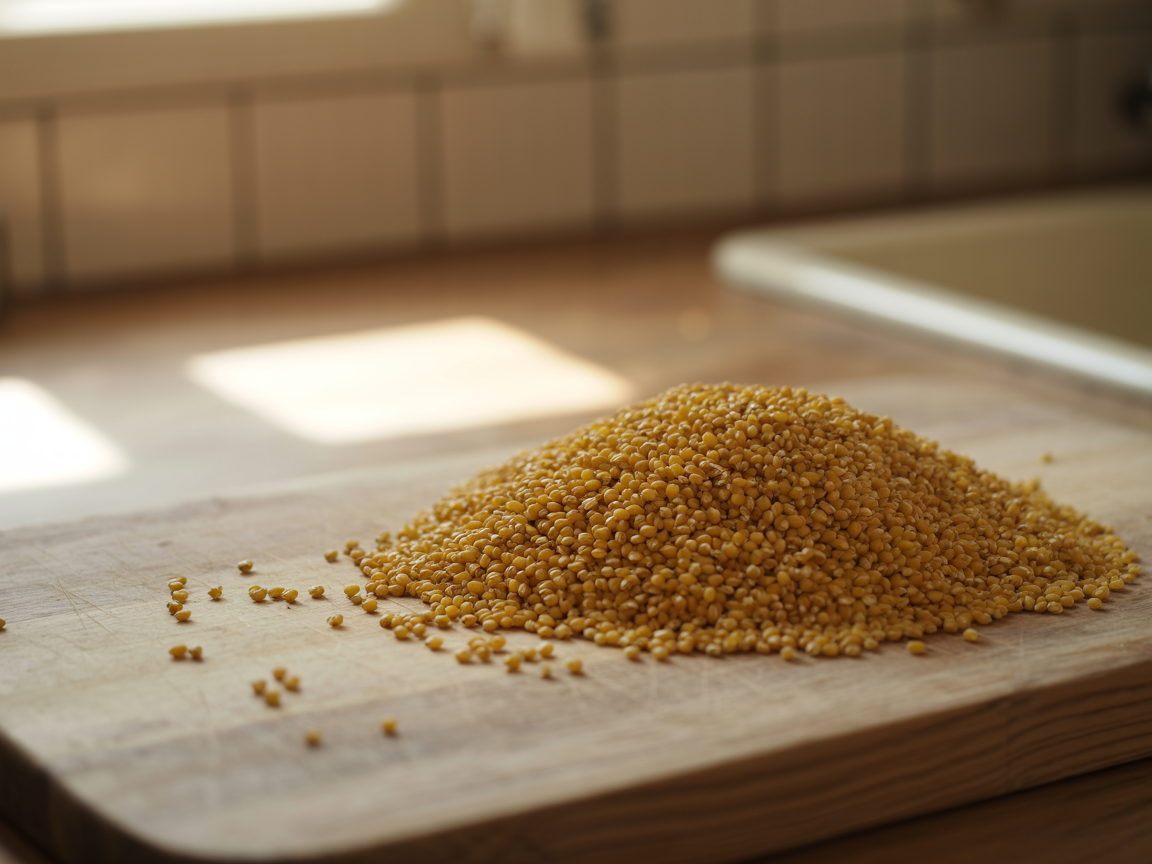
- White Fonio (Digitaria exilis): The most widely cultivated variety, with pale ivory grains, a delicate nutty flavor, and the fastest cook time. This is what you’ll find in most US stores.
- Black Fonio (Digitaria iburua): Grown primarily in parts of Nigeria and Togo; slightly darker, chewier, and earthier than white fonio. Less common in the US but available from specialty importers.
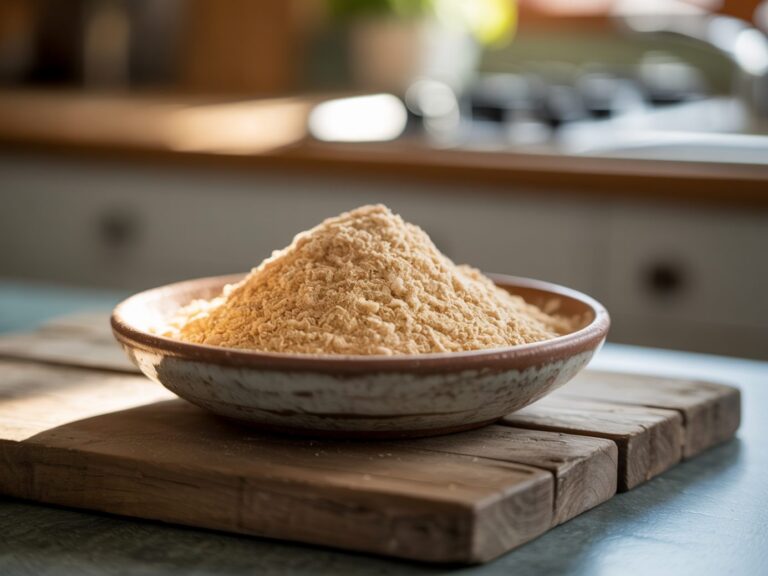
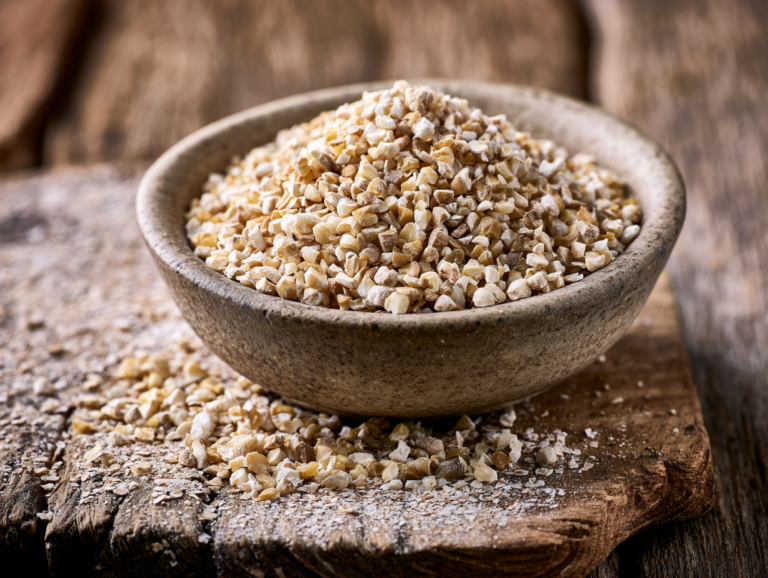
- Fonio Flour: Whole fonio ground into a fine powder; used in gluten-free baking, flatbreads, and as a thickener. Behaves somewhat like a whole-grain flour with a subtle nuttiness.
Cooking with fonio tonight?
Find fonio recipes that match your diet — keto, high-protein, vegan, under 30 minutes — and build a shopping list in one tap.
History & origin
Fonio has been cultivated across the West African Sahel region for at least 5,000 years, making it one of the oldest known African cereals. It has long been a staple food in countries like Guinea, Senegal, Mali, Burkina Faso, and Nigeria, where it features prominently in ceremonial dishes, everyday porridges, and fermented drinks. Historically it was considered a prestige grain reserved for special occasions and offered to honored guests. Despite its deep cultural roots, fonio remained largely unknown outside Africa for most of the 20th century, overshadowed by imported rice and wheat. In recent decades, renewed global interest in heritage grains and gluten-free eating has brought fonio to international markets, and it is now celebrated by chefs and nutritionists worldwide.
How it’s made
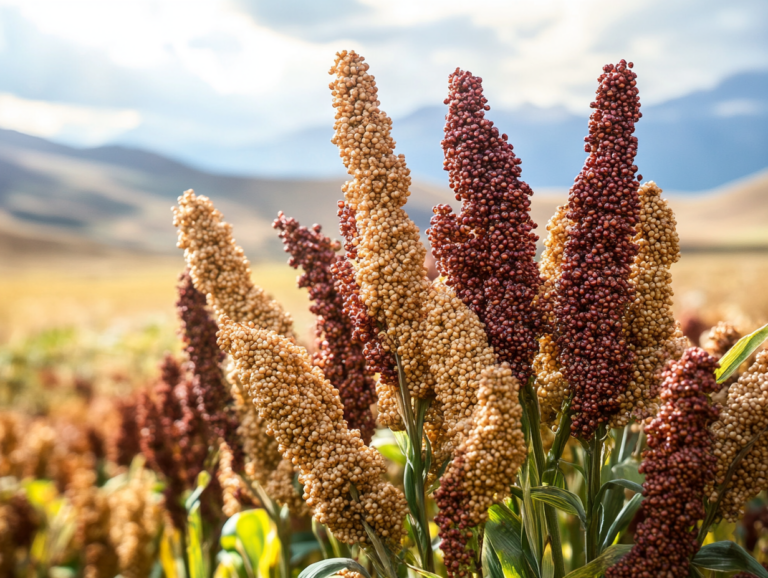
Fonio is a small-seeded annual grass that thrives in poor, sandy soils with minimal rainfall — conditions that make it ideal for the semi-arid Sahel. Farmers traditionally broadcast the seeds by hand, and the plant matures in as few as 6 to 8 weeks, making it one of the fastest-maturing cereals on earth. After harvest, the tiny grains are threshed and winnowed to remove the stalks, then hulled — historically by hand-pounding with a mortar and pestle, though modern processing uses mechanical dehullers. Because the grains are extraordinarily small (roughly 1–2 mm), hulling has historically been labor-intensive, which contributed to fonio being underutilized commercially. Improved mechanical processing developed in recent years has made large-scale production and export far more practical, fueling its rise in the global market.
Good to know
- Fonio grains are exceptionally tiny — among the smallest of any cultivated cereal grass.
- It is sometimes called ‘hungry rice’ in English-speaking West Africa, though it is not related to rice at all.
- Fonio can be ready to eat in as little as 5 minutes once it hits boiling water, making it one of the fastest-cooking whole grains available.
- The grain grows without pesticides or fertilizers in many regions because it naturally thrives in marginal soils where other crops fail.
- Senegalese chef Pierre Thiam is widely credited with introducing fonio to mainstream American audiences through his restaurants and cookbook work in the 2010s.