Rice Bran
Rice bran is the nutrient-packed outer layer of the rice kernel—a humble milling byproduct that punches way above its weight in the kitchen.
In a nutshell
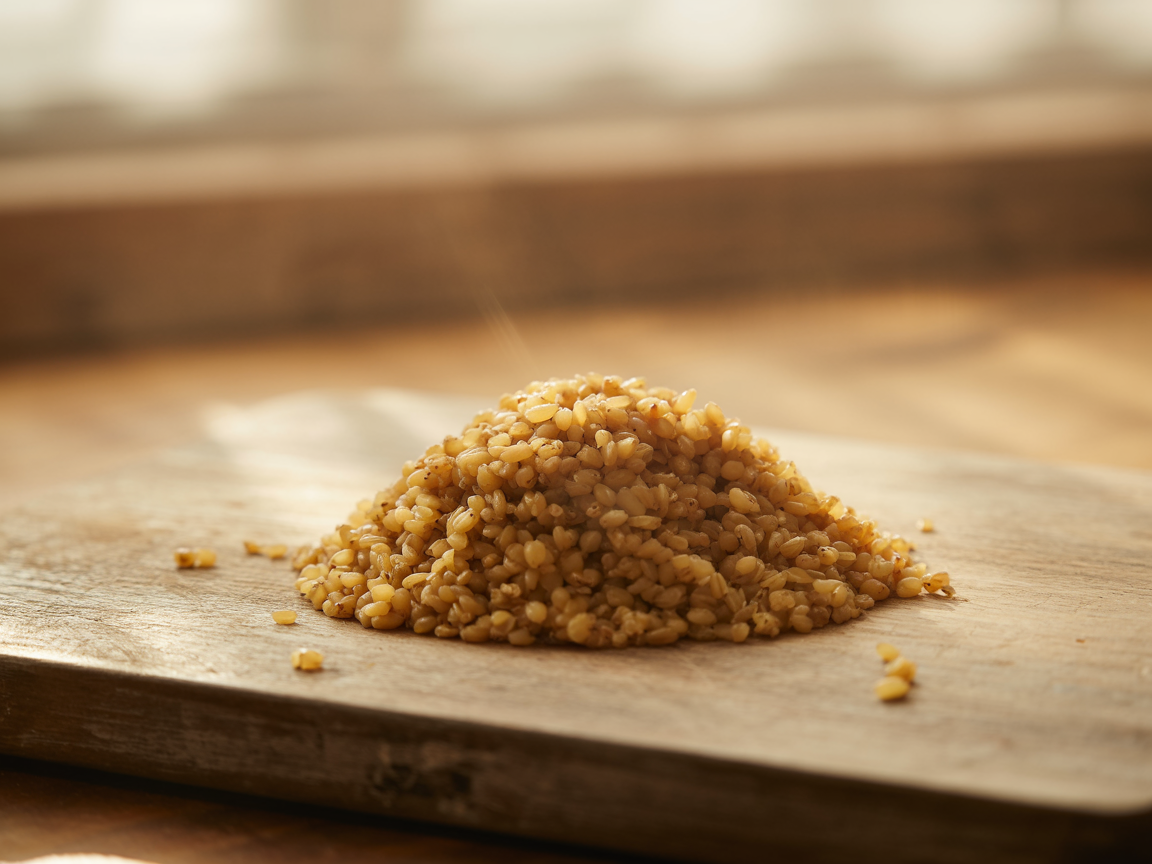
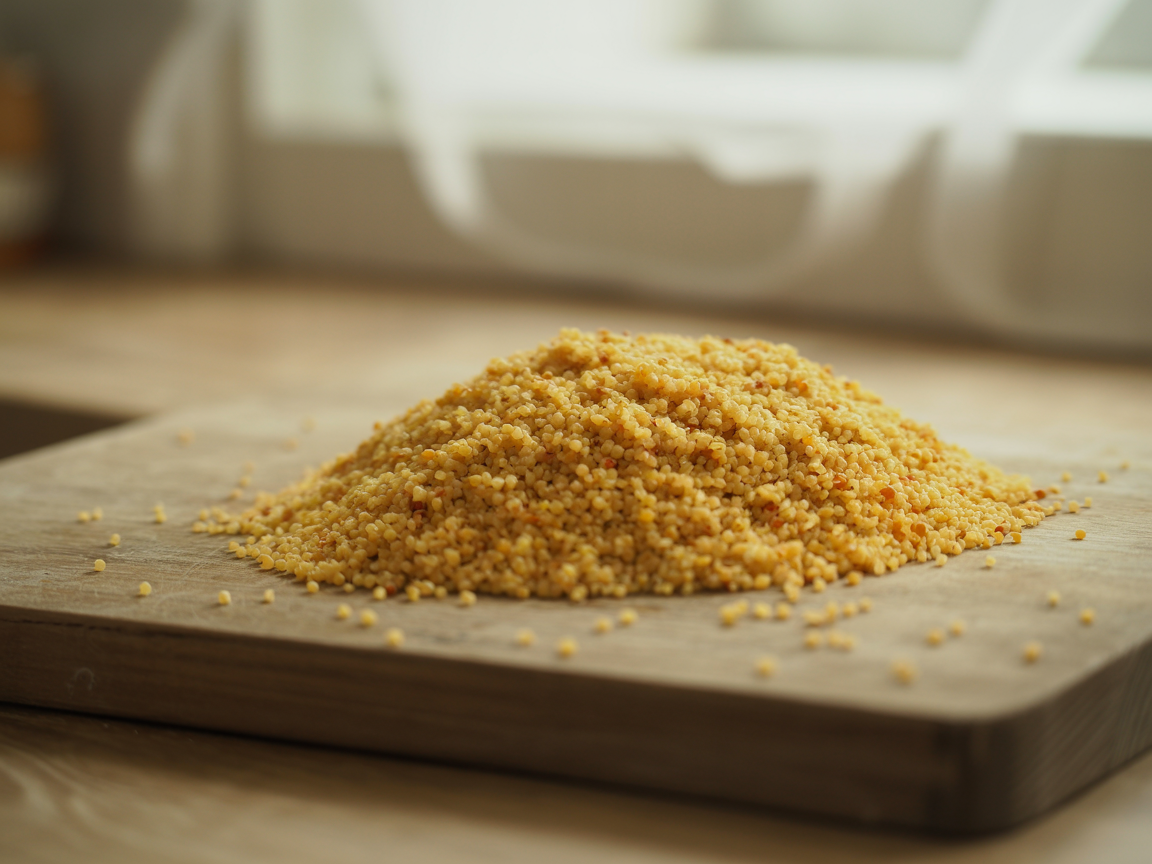
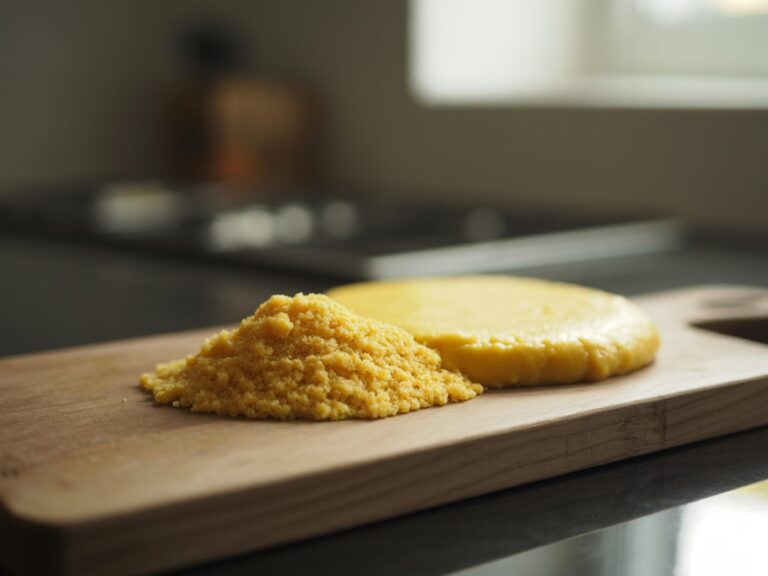
Rice bran is the thin layer stripped from brown rice when it’s milled into white rice. It has a mild, slightly nutty flavor and a soft, powdery texture that blends easily into both sweet and savory recipes. It’s one of the most nutritionally dense parts of the rice grain and is prized for its healthy fat profile and impressive fiber content.
Nutrition
≈ 43 Calories and 2.8g fat per tablespoon.
Rice bran delivers a remarkable balance of macronutrients in a small serving. Its fat content is predominantly heart-friendly unsaturated fats—nearly equal parts monounsaturated and polyunsaturated—with a modest amount of saturated fat. With roughly 21 grams of dietary fiber per 100g, it ranks among the more fiber-dense foods available to home cooks, supporting digestive health and helping you feel full. It also contributes a meaningful 13-plus grams of protein per 100g, making it useful for boosting protein in plant-based diets. Rice bran is a notable source of B vitamins (especially niacin and B6), magnesium, phosphorus, and iron. Perhaps most celebrated is its concentration of gamma-oryzanol, a group of plant sterol esters found in high concentrations in rice bran that research links to cholesterol management and antioxidant activity. Nutrition per 100g via Spoonacular.
Culinary uses & pairings
Rice bran’s mild, nutty flavor makes it an easy, nearly invisible addition to everyday cooking. Stir a few tablespoons into oatmeal, yogurt, or smoothies to boost fiber and nutrients without changing the flavor much. It works beautifully as a partial flour substitute in muffins, pancakes, quick breads, and cookies—replace up to about one-quarter of the all-purpose flour for a slightly denser, earthier result. It also acts as a binder in veggie burgers and meatballs, and can be pressed into service as a crispy coating for baked or pan-fried chicken and fish.
Beyond baking and mixing, rice bran shines as a hot breakfast cereal cooked with milk or water much like cream of wheat—it thickens quickly and takes well to cinnamon, honey, or fruit. Sprinkled over salads or soups just before serving, it adds subtle texture and a gentle nutty note similar to wheat germ. Because it’s already shelf-stable when heat-stabilized (see Types), it doesn’t need cooking before eating, which makes it one of the more versatile functional ingredients in a home kitchen pantry.
Pairs well with
Substitutions
Buying & storage
Look for heat-stabilized (full-fat stabilized or defatted) rice bran in health food stores, Asian grocery stores, and online—the stabilization process stops rancidity-causing enzymes and is essential for a product that will actually keep on your shelf. Check the label to confirm it’s stabilized; raw, unstabilized rice bran goes rancid within days of milling and is generally not sold at retail. Full-fat stabilized bran has a richer flavor and more of the beneficial gamma-oryzanol, while defatted bran has fewer calories and a longer shelf life. Choose a product with a clear packaging date and, when possible, opt for organic to minimize pesticide residue, since bran is the outermost layer of the grain.
Types
- Full-Fat Stabilized Rice Bran: Retains all its natural oils, giving the richest flavor and the highest concentration of gamma-oryzanol and fat-soluble nutrients. The most common retail form.
- Defatted Rice Bran: The oil has been extracted (often to produce rice bran oil), leaving a lower-calorie, higher-protein powder with a longer shelf life and slightly drier texture in baking.
- Rice Bran Oil: The pressed or solvent-extracted oil from rice bran—a separate but related product with a smoke point around 450°F (232°C), popular for frying and stir-frying.
Cooking with rice bran tonight?
Find rice bran recipes that match your diet — keto, high-protein, vegan, under 30 minutes — and build a shopping list in one tap.
History & origin
Rice has been cultivated in Asia for more than 9,000 years, but for most of that history the bran was simply discarded or fed to livestock as a byproduct of milling white rice. The dramatic importance of rice bran came into focus in the late 19th century when Dutch physician Christiaan Eijkman observed that chickens fed polished white rice developed a nerve disease resembling beriberi—and that feeding them rice bran reversed it. This observation contributed to the eventual discovery of thiamine (vitamin B1) and earned Eijkman a share of the 1929 Nobel Prize in Physiology or Medicine. Commercial interest in rice bran as a food ingredient and oil source grew steadily through the 20th century, especially in Japan, India, and Southeast Asia, and it has gained a foothold in the US natural foods market since the 1990s.
How it’s made
When brown rice is milled into white rice, friction rollers or abrasive stones remove the outer bran and germ layers, which together make up roughly 8–10% of the whole grain by weight. The loose bran produced at this stage is biologically active—it contains lipase enzymes that begin breaking down its fats almost immediately, turning it rancid within 24–72 hours. To make it shelf-stable for retail, producers apply heat stabilization: the freshly milled bran is quickly exposed to dry heat (extrusion, toasting, or steam) at temperatures high enough to deactivate the lipase enzymes without destroying vitamins. The stabilized bran is then sifted, sometimes defatted via solvent extraction or cold pressing to yield rice bran oil, and packaged as a fine to medium-textured powder ready for the consumer market.
Good to know
- Rice bran contains gamma-oryzanol, a group of compounds found in very few other foods in significant amounts; it’s been studied for its potential to lower LDL cholesterol.
- The oil extracted from rice bran is a popular frying oil in Japan and India, valued for its neutral flavor and high smoke point of around 450°F (232°C).
- A single tablespoon of rice bran contributes roughly 2 grams of fiber, making it one of the easier fiber boosters to add to food.
- Unstabilized rice bran goes rancid very quickly after milling—often within 24–72 hours—which is why the stabilization step is non-negotiable for edible retail products.
- Rice bran is naturally gluten-free, making it a popular fiber and nutrient booster for people following gluten-free diets who want an alternative to wheat bran.