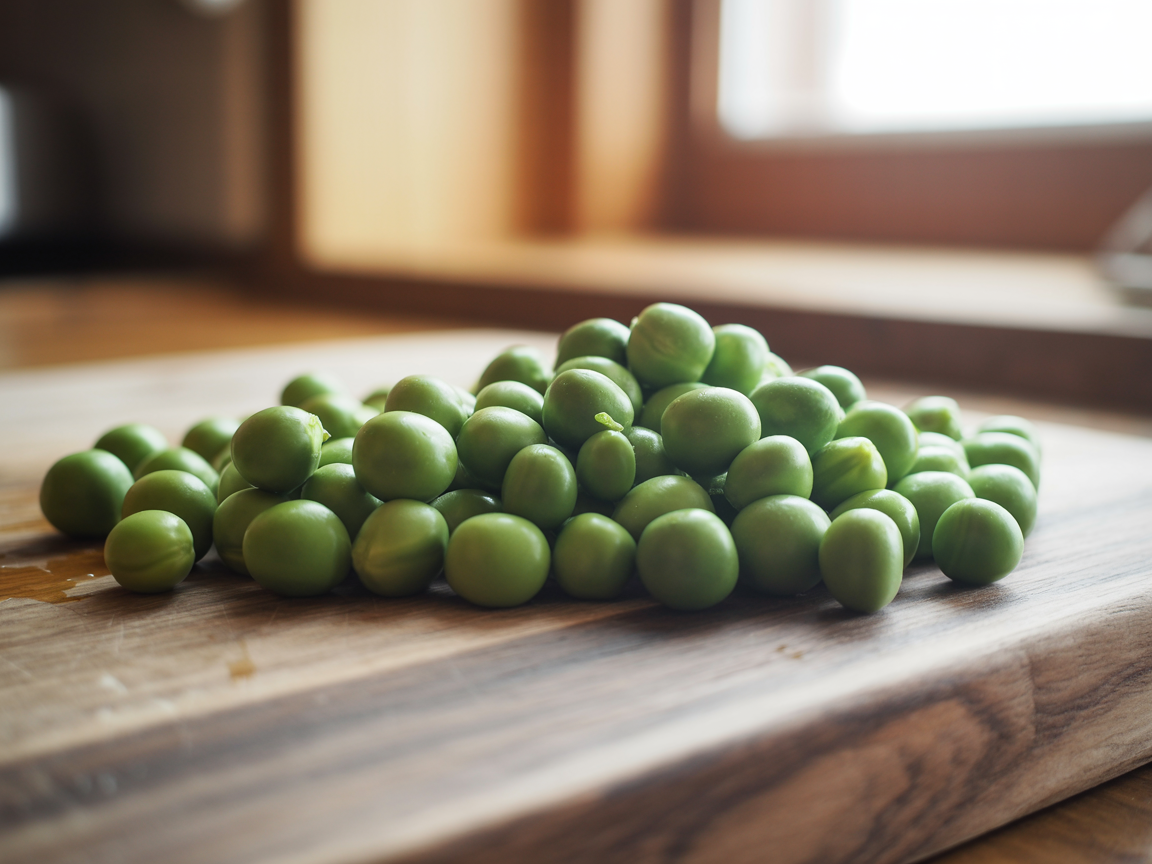
Soybeans
Soybeans are a humble pantry powerhouse that quietly fuel countless dishes from morning to night.
In a nutshell
Soybeans are small, round legumes native to East Asia that pack more protein per calorie than almost any other plant food. They’re incredibly versatile — eaten whole, fermented, pressed into oil, or transformed into tofu, tempeh, and miso. For US home cooks, they show up in everything from edamame bowls to hearty chilis.
Nutrition
≈ 23 Calories and 1.2g fat per tablespoon.
Soybeans stand out in the plant world because they deliver a complete protein — meaning all nine essential amino acids are present — making them especially valuable for vegetarian and vegan diets. The fat profile leans heavily toward polyunsaturated fats, including omega-3 alpha-linolenic acid, which supports heart health. A solid 6 grams of fiber per 100 g helps feed beneficial gut bacteria and promotes steady blood sugar. Soybeans also supply meaningful amounts of iron, calcium, magnesium, and folate, along with isoflavones — plant compounds that have been studied for their role in bone health and hormonal balance. The sodium figure in cooked canned varieties is worth watching if you’re managing intake; rinsing canned beans cuts it noticeably. Nutrition per 100g via Spoonacular.
Culinary uses & pairings
Whole cooked soybeans — whether freshly boiled edamame or dried beans simmered from scratch — work beautifully in grain bowls, salads, and hearty soups. Toss them into a vegetable stir-fry for a protein boost, mash them lightly into a rustic spread, or fold them into chili where they hold their shape better than softer beans. Their mild, slightly nutty flavor means they absorb whatever seasonings surround them.
Beyond eating them whole, soybeans are the raw material for a dizzying range of fermented and processed ingredients: tofu, tempeh, miso, soy sauce, and soy milk all start here. Home cooks can also roast dried soybeans with a little oil and salt for a crunchy, high-protein snack that rivals any store-bought nut mix.
Pairs well with
Substitutions
Buying & storage
For dried soybeans, look for smooth, uniformly cream-colored or yellow beans with no shriveling, cracks, or off odors — older beans take forever to soften no matter how long you cook them, so check the packaging date and buy from a store with decent turnover. Canned cooked soybeans are a terrific convenience option; choose low-sodium versions when possible and give them a good rinse before using. Frozen edamame (in-shell or shelled) is reliably sweet and bright because it’s blanched right after harvest — it’s often the freshest-tasting option outside of a farmers’ market. If you can find fresh edamame pods in late summer, grab them; they have a grassy sweetness that dried beans simply can’t replicate.
Varieties
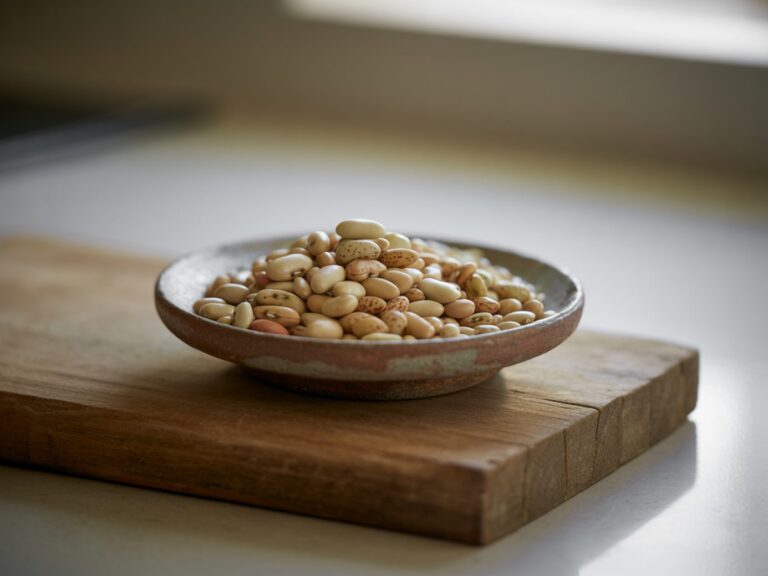
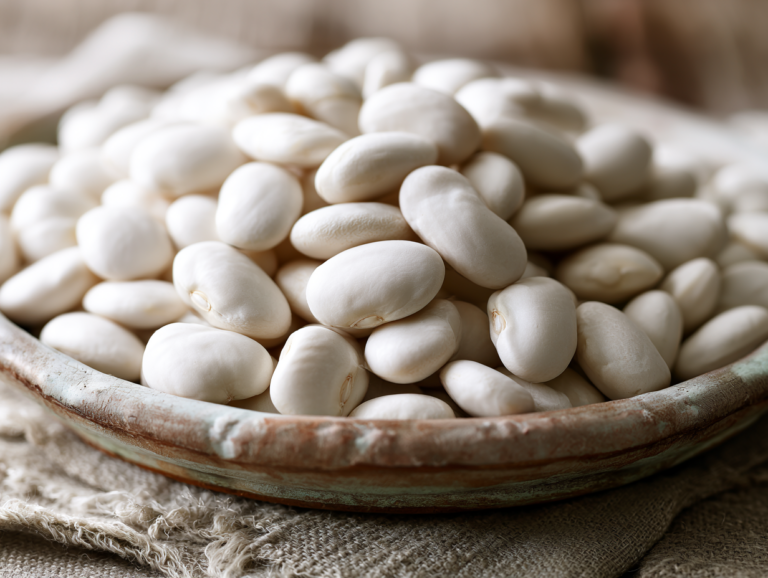
- Yellow soybeans: The standard variety found dried or canned in most US grocery stores; mild, nutty flavor and the base for tofu and soy milk.
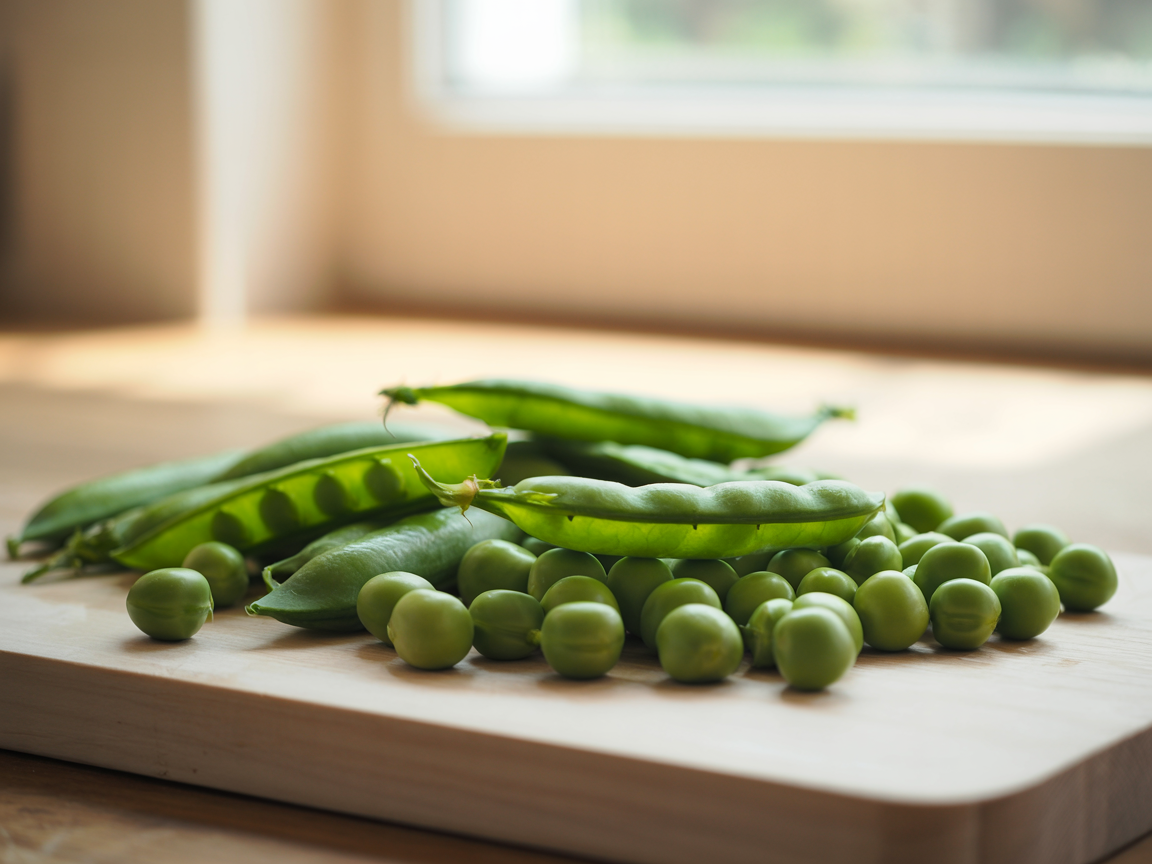
- Edamame (green soybeans): Harvested young while still in the pod; sweeter and more tender than mature beans, typically sold frozen or fresh.
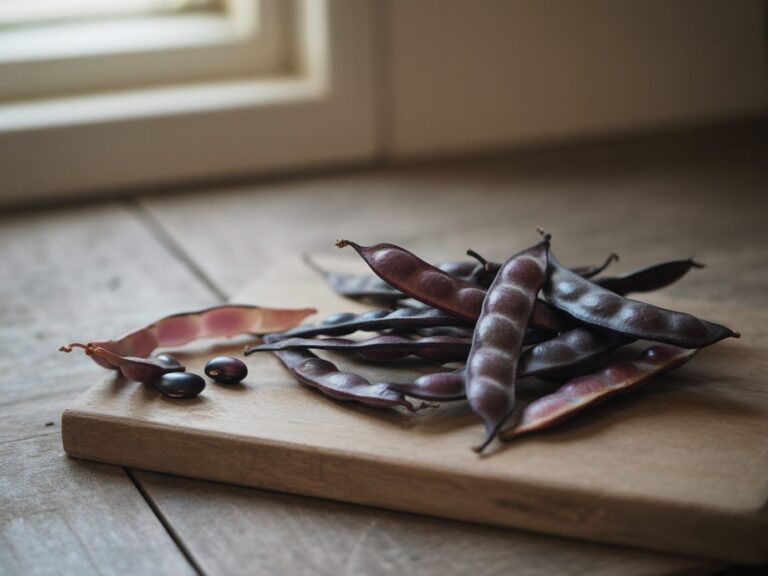
- Black soybeans: Richer, earthier flavor with a striking dark skin; popular in East Asian cooking and increasingly available in natural food stores.
- Kuromame: A prized Japanese black soybean variety traditionally simmered in sweet soy broth for New Year’s celebrations.
Recipes using soybeans
2 recipes across our recipe sites use soybeans. A few favorites:
Cooking with soybeans tonight?
Find soybeans recipes that match your diet — keto, high-protein, vegan, under 30 minutes — and build a shopping list in one tap.
History & origin
Soybeans have been cultivated in northeastern China for at least 3,000 years, with written records commonly dated to around 1000 BCE, though some archaeological evidence suggests earlier cultivation. Ancient Chinese texts do list the soybean among important cultivated crops, but the specific attribution to Emperor Shennong and the date of 2800 BCE is a legendary rather than historically verified claim and has been removed here. From China the crop spread across East and Southeast Asia, becoming a dietary cornerstone in Japan, Korea, and beyond. European botanists first documented soybeans in the late 1600s, but meaningful cultivation in the United States didn’t take off until the early 20th century. By the mid-20th century, the US had become the world’s largest soybean producer, with the Midwest Corn Belt transforming into soybean country as well. Today soybeans underpin global food systems in ways most people never see — from livestock feed to cooking oils to the tofu on your dinner plate.
How it’s made
Soybeans are an annual legume planted in warm soil after the last frost, typically between May and June across the US Midwest. The plants fix atmospheric nitrogen into the soil through a symbiotic relationship with root bacteria, making them naturally beneficial to crop rotations. Pods develop over the summer and are harvested in the fall once the plants dry out and the beans rattle inside their shells. For the table, dried soybeans require a long soak — ideally overnight — followed by a slow simmer of two to three hours until tender; a pressure cooker cuts that time down dramatically. Edamame is harvested earlier, when the pod is still green and the bean is plump but not yet starchy, then quickly blanched to lock in color and sweetness before freezing.
Good to know
- The United States grows roughly one-third of the world’s soybeans, making it one of the country’s most valuable crops by dollar value.
- Soy is one of only a handful of plant foods that supplies all nine essential amino acids in proportions suitable for human needs.
- The word edamame comes from Japanese and literally means ‘stem beans,’ because the pods were historically sold still attached to the branch.
- Soybeans are listed among the nine major food allergens recognized by the FDA, so labeling is legally required on packaged US foods.
- Fermented soy foods like miso and tempeh have been shown to have higher mineral bioavailability than whole cooked beans because fermentation reduces phytic acid, which otherwise binds to minerals and limits their absorption.