Beet Greens
Beet greens are the tender, earthy tops of the beet plant—too good to toss and surprisingly easy to love.
In a nutshell
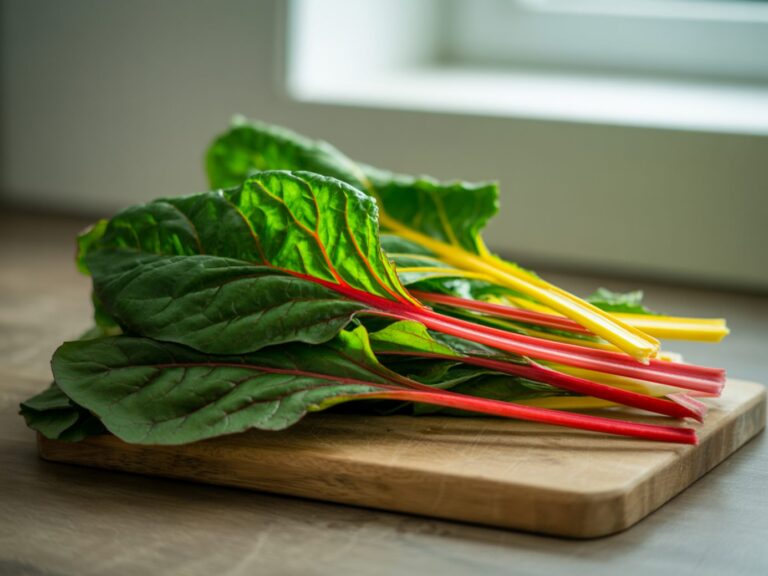
Beet greens are the leafy tops that come attached to fresh beets, and they’re every bit as edible as the roots below. They taste like a cross between Swiss chard and spinach—slightly earthy, a little bitter, and wonderfully tender once cooked. Most grocery shoppers throw them away, which is a genuine shame.
Nutrition
≈ 3 Calories and 0g fat per tablespoon.
Beet greens punch well above their weight for a vegetable with only 22 calories per 100 grams. They’re an outstanding source of vitamin K, which supports bone health and normal blood clotting, along with meaningful amounts of vitamin A (from beta-carotene), vitamin C, and riboflavin. The roughly 2.2 grams of protein and about 3.7 grams of fiber per 100 grams make them unusually filling for a leafy green. They do carry a notable natural sodium level and contain oxalates, so folks managing kidney stones or taking blood thinners may want to enjoy them in moderation. Nutrition per 100g via Spoonacular.
Culinary uses & pairings
Beet greens shine in quick sautés: a hot pan, a splash of olive oil, minced garlic, and a pinch of red pepper flakes is all they need. The leaves wilt beautifully in two to three minutes, and the stems—chopped a bit smaller—hold a pleasant bite. They slide naturally into pasta, grain bowls, frittatas, and omelets anywhere you’d reach for chard or spinach.
Raw young beet greens work surprisingly well in salads, adding an earthy depth alongside brighter lettuces. Older leaves are better suited to soups and braises—stir them into lentil soup, white bean stew, or minestrone in the last few minutes of cooking for a pop of color and nutrition.
Pairs well with
Substitutions
Buying & storage
Look for beet greens that are deeply colored, firm, and perky—not yellowed, slimy, or wilted at the edges. Smaller, younger leaves will be more tender and milder in flavor, while larger leaves are perfectly fine for cooking but benefit from a bit more time in the pan. When buying whole beets at a farmers market or grocery store, choose bunches whose tops still look vibrant; that’s your best freshness signal for both the greens and the roots.
Cooking with beet greens tonight?
Find beet greens recipes that match your diet — keto, high-protein, vegan, under 30 minutes — and build a shopping list in one tap.
History & origin
Beets have been cultivated around the Mediterranean since ancient times, with early Greeks and Romans prizing the leaves long before anyone thought much of the roots. The greens were a staple food in medieval Europe, eaten like any other pot herb, and only gradually did Western cooks shift their attention almost entirely to the swollen root. In many Eastern European, Middle Eastern, and African culinary traditions, however, the greens never fell out of favor and remain a celebrated part of the plant to this day.
How it’s made
Beet greens are simply the natural leafy tops of the Beta vulgaris plant—no special processing required. Farmers harvest them by cutting bunches of beets with their tops still attached, typically when the roots have reached a usable size. The greens grow quickly and are sometimes thinned from young plants early in the season, at which point the entire small plant—roots, stems, and leaves—can be eaten whole. Because they’re a fresh, unprocessed byproduct of root vegetable farming, they’re among the most sustainable and low-waste items you can put in your cart.
Good to know
- Beet greens contain notable amounts of iron and are a rich source of beta-carotene, generally exceeding what’s found in the beet root itself.
- Historical records indicate that ancient Greeks and Romans valued beet greens as food and attributed various medicinal properties to the plant, though specific therapeutic claims are difficult to verify precisely.
- The red or yellow veining in beet green stems comes from the same pigments—betalains—that give beet roots their vivid color.
- Because beet greens wilt down significantly during cooking, a full bunch will serve just two people as a side dish.
- Beet greens are among the higher natural sodium vegetables you’ll find, which means you may need little or no added salt when cooking them.