Artichoke
Artichokes look intimidating at first, but once you know how to handle them they’re one of the most rewarding vegetables in the kitchen.
In a nutshell
The artichoke is actually the edible flower bud of a thistle plant, harvested before it blooms. You eat the fleshy base of each leaf, the fuzzy choke is removed, and the prized ‘heart’ is the tender core underneath. They’re a staple of Mediterranean cooking and beloved at American dinner tables for their rich, subtly nutty flavor.
Nutrition
≈ 6 Calories and 0g fat per tablespoon.
Artichokes are a surprisingly nutrient-dense vegetable for their modest calorie count. Their standout quality is dietary fiber — over 5 grams per 100g — which supports digestive health and helps you feel full. A significant portion of that fiber is inulin, a prebiotic that feeds beneficial gut bacteria. Artichokes are also a good source of folate, important for cell function, along with vitamin C, vitamin K, and the minerals magnesium and potassium. They contain cynarin and silymarin, plant compounds studied for their liver-supportive and antioxidant properties. With virtually no fat and a moderate amount of plant-based protein for a vegetable, they fit comfortably into most healthy eating patterns. Nutrition per 100g via Spoonacular.
Culinary uses & pairings
The most classic preparation is simply steaming or boiling a whole artichoke until tender — about 30 to 45 minutes — then serving it with melted butter or aioli for dipping. You pull off each leaf, scrape the fleshy base against your teeth, discard the leaf, then work your way to the heart. It’s a slow, social eating experience that rewards patience. Roasting halved artichokes cut-side down in olive oil is another favorite, producing caramelized, slightly crispy edges.
Artichoke hearts — whether trimmed fresh, canned, or frozen — are the workhorse form in everyday cooking. They’re wonderful in pasta, grain bowls, frittatas, and white pizzas. Stuffed artichokes filled with seasoned breadcrumbs, garlic, and Parmesan are a beloved Italian-American classic. Charred or marinated artichoke hearts are excellent on antipasto boards, and pureed they make a velvety dip or a base for creamy soups.
Pairs well with
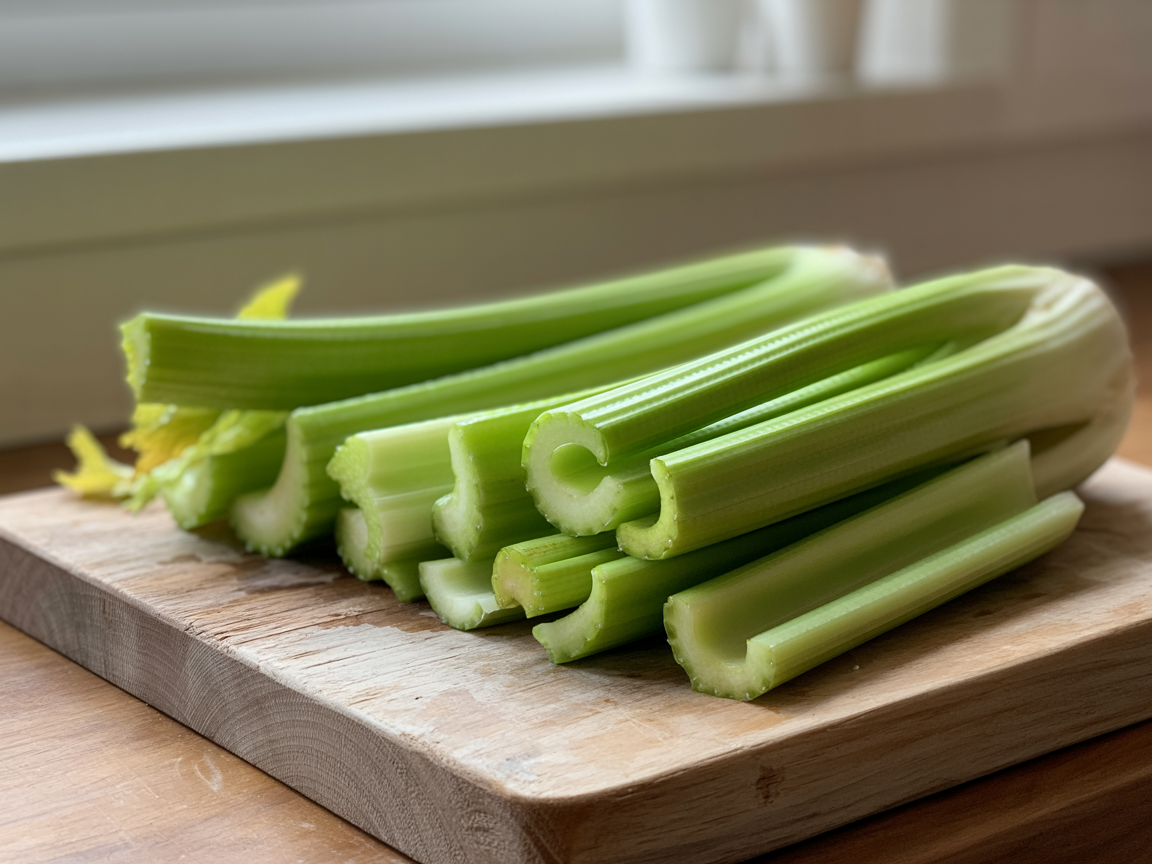
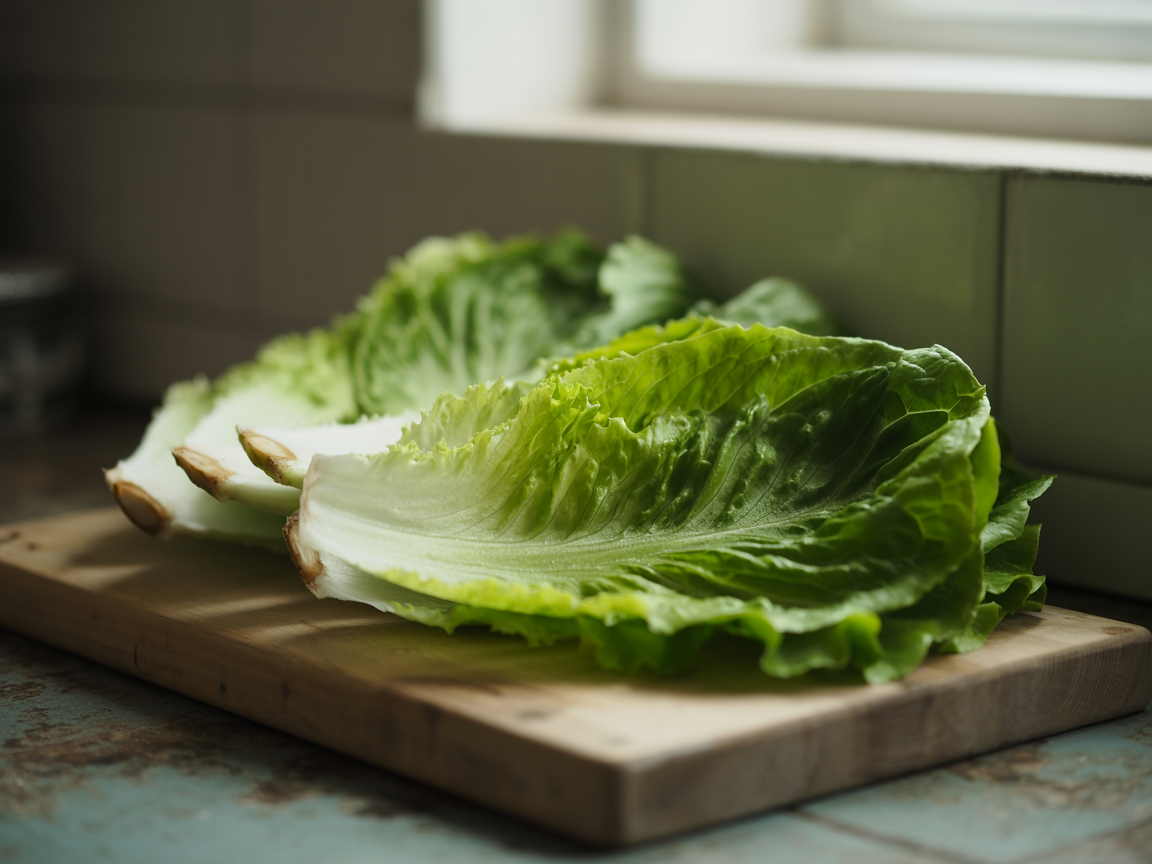
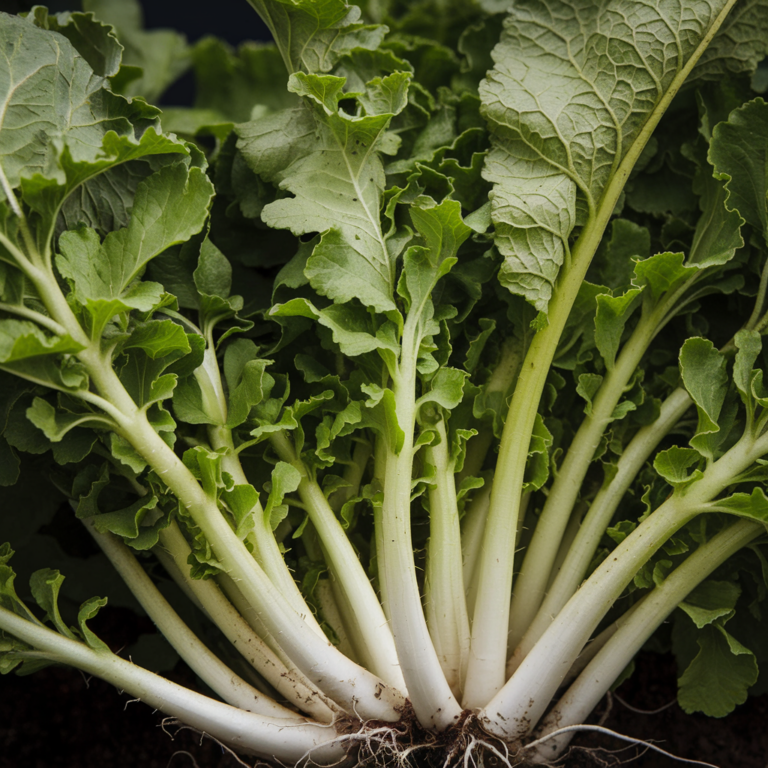
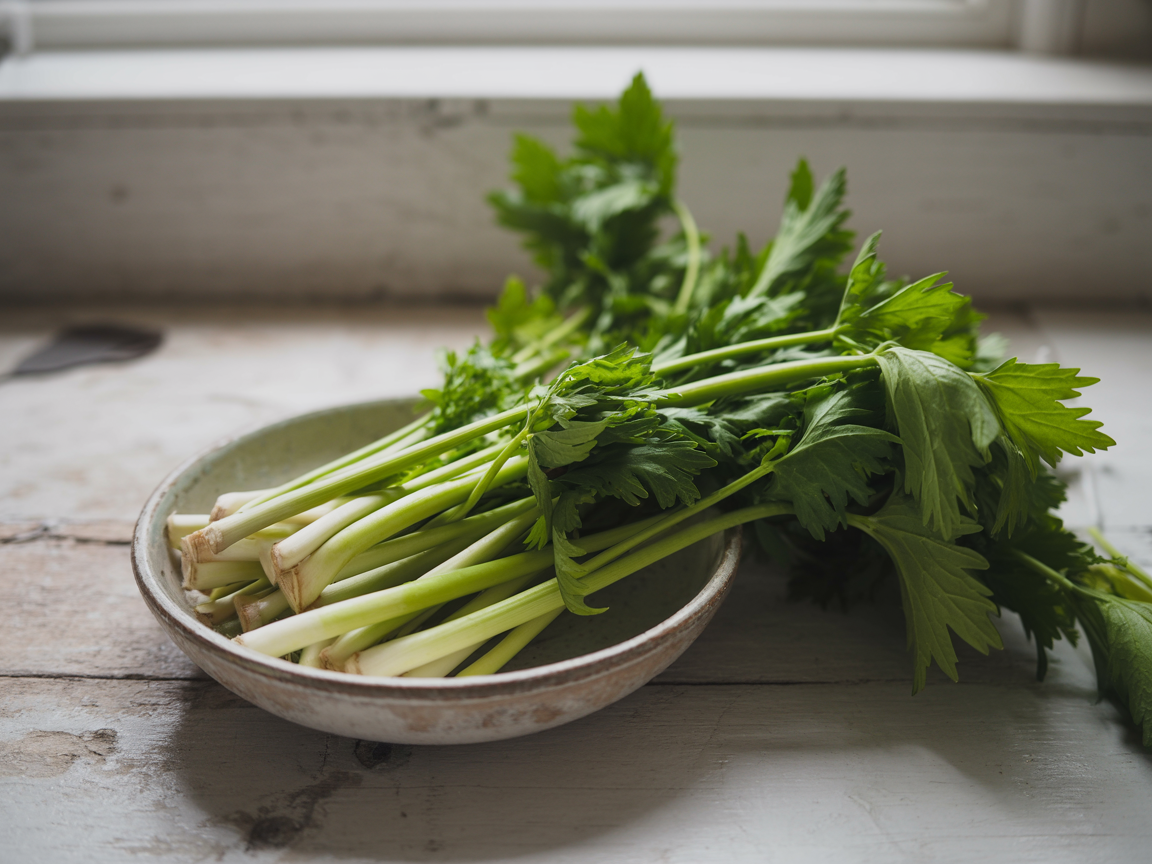
Substitutions
Buying & storage
Look for artichokes that feel heavy for their size with tightly closed, compact leaves — loose or splayed leaves signal age. The cut stem end should look moist, not dried out. A little bronze tipping on the outer leaves from cold exposure (called ‘frost-kissed’) is actually a sign of sweetness, not damage. Peak season in the US runs March through May with a smaller crop in the fall. Give the artichoke a gentle squeeze — it should squeak slightly, a sign the leaves are still fresh and firm. Avoid any that feel light, have brown or mushy spots, or have leaves that have begun to open like a flower.
Varieties
- Green Globe: The most common variety in US supermarkets; large, round, and meaty with a classic flavor — great for steaming whole.
- Baby Artichoke: Not a different species but a smaller bud from the lower stalk; entirely edible with no fuzzy choke to remove, making prep much easier.
- Purple of Romagna: An Italian heirloom with striking purple-tinged leaves and a slightly more tender, nutty flesh; often found at farmers markets.
- Violetto (Violetta): A smaller, elongated purple variety grown in California and parts of Europe; mild flavor and excellent for grilling or marinating.
- Castroville Green: Grown almost exclusively around Castroville, California — the self-proclaimed ‘Artichoke Capital of the World’ — and prized for consistent quality.
Recipes using artichoke
7 recipes across our recipe sites use artichoke. A few favorites:
Cooking with artichoke tonight?
Find artichoke recipes that match your diet — keto, high-protein, vegan, under 30 minutes — and build a shopping list in one tap.
History & origin
Artichokes have been cultivated around the Mediterranean basin for at least 2,000 years, with roots tracing back to ancient North Africa and Sicily. The Romans prized them as a luxury food and expensive delicacy. Arab traders brought improved cultivated forms to Spain and later to Italy during the medieval period, and by the 15th century artichokes were fashionable across European royal courts. Catherine de’ Medici is famously said to have introduced them to France when she married Henry II in 1533. Spanish and French settlers brought them to the Americas, and they found an ideal growing climate along the cool, foggy coast of Central California, where Castroville became the heart of US production by the early 20th century.
How it’s made
Artichokes are the immature flower buds of Cynara scolymus, a cultivated thistle. Plants are propagated from root divisions or seeds and grow as large, arching perennials in well-drained soil with moderate coastal temperatures — they thrive where summers don’t get too hot. In California, the primary US growing region, fields are cut back in summer to encourage a flush of new growth and a fall harvest alongside the main spring crop. The buds are harvested by hand when they’re plump and tightly closed, before the purple flower inside has any chance to open. Left on the plant, the bud would bloom into a spectacular violet-blue thistle flower — beautiful, but no longer edible.
Good to know
- California produces nearly 100% of all commercially grown artichokes in the United States, mostly around Castroville and the Salinas Valley.
- The compound cynarin in artichokes temporarily suppresses sweet taste receptors, which is why water or wine can taste unusually sweet right after eating one.
- Artichokes are among the highest-antioxidant vegetables measured by USDA testing, ranking very high in some ORAC analyses.
- If you don’t acidulate cut artichoke flesh immediately with lemon juice or acidulated water, it will turn brown within minutes due to enzymatic oxidation.
- Marilyn Monroe was crowned the first official Artichoke Queen of Castroville, California in 1948, before her rise to fame.