Chickpea
Chickpeas are the humble pantry staple that quietly delivers big protein, fiber, and flavor to almost any dish.
In a nutshell
Chickpeas — also called garbanzo beans — are round, nutty-flavored legumes that have fed civilizations for thousands of years. They’re one of the most nutritionally complete plant foods you can keep in your pantry, equally at home in a silky hummus or a weeknight curry. Canned or dried, they’re affordable, versatile, and endlessly satisfying.
Nutrition
≈ 22 Calories and 0.4g fat per tablespoon.
Chickpeas punch well above their weight nutritionally. Their 8.9 grams of protein per 100 grams makes them one of the better plant-based protein sources available, while an impressive 7.6 grams of dietary fiber supports digestive health and helps you feel full longer — a combination that contributes to stable blood sugar and may support healthy cholesterol levels. The fat content is modest and skewed toward heart-friendly unsaturated forms. Chickpeas also supply meaningful amounts of folate, iron, manganese, and phosphorus, making them especially valuable for people eating less meat. Their low glycemic index means energy is released gradually rather than in a spike, which is one reason they’re a cornerstone of Mediterranean and plant-forward diets. Nutrition per 100 g.
Culinary uses & pairings
Chickpeas are the backbone of beloved dishes like hummus, falafel, and chana masala, but their uses go far beyond those classics. Simmer them in soups and stews where they absorb surrounding flavors beautifully, toss them into grain bowls and salads for a protein boost, or mash them into veggie burgers and sandwich spreads. Their naturally creamy interior and mild, nutty taste make them one of the most adaptable ingredients in the kitchen.
Roasted chickpeas have become a go-to snack and salad topper — toss cooked or canned chickpeas with olive oil and your spice blend of choice, then roast at 400°F (205°C) until crispy. The cooking liquid from canned chickpeas, known as aquafaba, is a remarkable egg-white substitute that whips into stiff peaks for vegan meringues, mousses, and mayonnaise.
Pairs well with
Substitutions
Buying & storage
For dried chickpeas, look for plump, uniform, unbroken beans with a consistent pale tan color — avoid any that look shriveled, discolored, or dusty, as older dried beans take longer to cook and may never fully soften. Bulk bins at natural food stores often turn over stock quickly and are a great value. Canned chickpeas are a genuine convenience and nutritionally comparable; choose cans labeled low-sodium or no-salt-added if you want to control seasoning, and give them a good rinse before use to wash away excess sodium and the slightly metallic canned flavor. Don’t pour that aquafaba down the drain — save it for baking.
Varieties
- Kabuli: The large, smooth, cream-colored chickpea most common in US supermarkets; mild flavor and creamy texture ideal for hummus, salads, and roasting.
- Desi: Smaller, darker, and more angular with a thicker seed coat; earthier and higher in fiber, widely used in Indian cooking for chana masala and dal.
- Black chickpeas (Kala chana): A small, dark Desi variety with a firm, nutty bite; excellent in curries and chaat where they hold their shape beautifully.
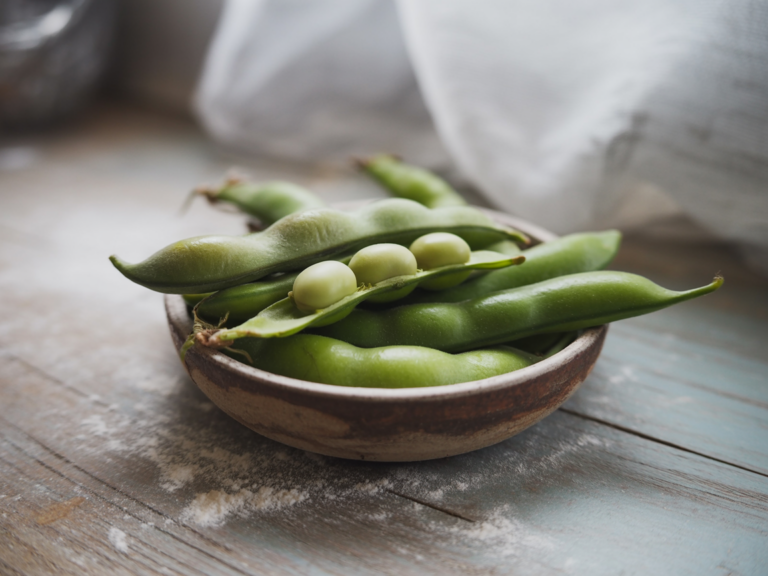
- Green chickpeas: Fresh or frozen young chickpeas harvested before drying; sweeter and more delicate, eaten as a snack or tossed into salads and stir-fries.
Recipes using chickpea
117 recipes across our recipe sites use chickpea. A few favorites:
Cooking with chickpea tonight?
Find chickpea recipes that match your diet — keto, high-protein, vegan, under 30 minutes — and build a shopping list in one tap.
History & origin
Chickpeas are among the earliest cultivated crops on earth, with archaeological evidence of their use in the Middle East dating back more than 10,000 years to the Fertile Crescent region of present-day Turkey and Syria. They spread through the Mediterranean world with ancient traders, feeding Greek and Roman soldiers and appearing in historical records of the period. Arab merchants carried them across North Africa and into Spain, where the word garbanzo entered the language. Portuguese and Spanish explorers later introduced them more widely, including to the Americas. Today India produces the majority of the world’s chickpeas, but they remain central to cuisines from Morocco to Mexico, a testament to their extraordinary adaptability and sustaining power.
How it’s made
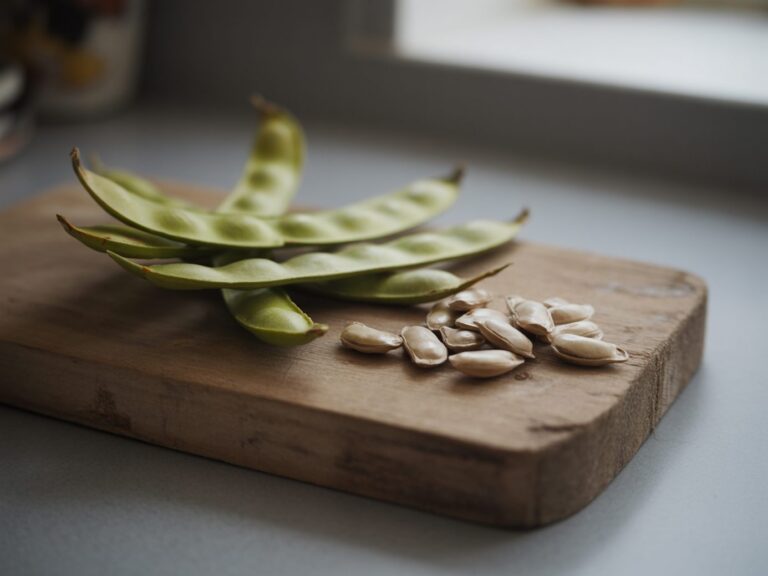
Chickpeas are annual legumes that grow on bushy plants roughly 8–24 inches tall in warm, semi-arid climates with well-drained soil. Each pod typically holds one or two seeds. After the pods dry on the plant, the crop is harvested mechanically and the seeds are threshed, cleaned, and sorted by size and color. For the pantry staples most home cooks use, dried chickpeas are simply cleaned and packaged, while canned chickpeas are pre-soaked, cooked, and packed with water and often a little salt before the cans are sealed and commercially sterilized — which is why they’re ready to eat straight from the can. Chickpea flour (besan) is made by milling dried chickpeas into a fine powder, and split chickpeas (chana dal) are hulled and halved before packaging.
Good to know
- The liquid left in a can of chickpeas — called aquafaba — whips into stiff, glossy peaks just like egg whites, making it one of the most useful accidental discoveries in vegan baking.
- Chickpeas are a self-pollinating crop, meaning each flower fertilizes itself before it fully opens — a trait that helped early farmers select and stabilize desirable traits thousands of years ago.
- The name garbanzo traces to Old Spanish, while chickpea derives from the French chiche, itself from the Latin cicer — the species name cicer arietinum means ‘little ram’ because of the seed’s curved, ram-head-like shape.
- Chickpeas are one of the few legumes that are equally popular across radically different cuisines — from Italian pasta e ceci to Indian chana masala to Middle Eastern falafel — without the recipe changing its core identity.
- One cup of cooked chickpeas provides roughly a third of an adult’s daily fiber needs, making them one of the most efficient single-ingredient sources of dietary fiber in the American pantry.