Kidney Bean
Kidney beans are a hearty, protein-packed staple that bring deep color and satisfying substance to everyday cooking.
In a nutshell
Kidney beans are large, dark-red legumes with a meaty texture and mild, earthy flavor that holds up beautifully in long-cooked dishes. They’re one of the most popular dried beans in American kitchens, available both dried and canned. Whether you’re building a classic chili or tossing together a cold bean salad, kidney beans deliver serious staying power.
Nutrition
≈ 17 Calories and 0.1g fat per tablespoon.
Kidney beans punch well above their weight nutritionally. Their 6.4 grams of fiber per 100 grams (cooked) supports digestive health and helps you feel full longer — making them a smart choice for weight management. That same serving delivers nearly 8.7 grams of plant-based protein, which is exceptional for a food that’s virtually fat-free. The carbohydrates in kidney beans are complex and slow-digesting, so they have a low glycemic impact, helping to stabilize blood sugar. They’re also a meaningful source of iron, folate, potassium, and magnesium, nutrients many Americans fall short on. Raw kidney beans contain a naturally occurring toxin called phytohaemagglutinin, so they must always be fully cooked — boiling for at least 10 minutes — before eating. Nutrition per 100 g.
Culinary uses & pairings
Kidney beans are the backbone of classic American chili, soaking up spiced, tomato-rich broth while keeping their shape after hours of simmering. They’re equally at home in hearty minestrone, Creole-style red beans and rice, and slow-cooker stews. Their dense, meaty bite means they can carry a dish on their own, making them a go-to in vegetarian and vegan cooking where substance matters.
Cold kidney beans shine in three-bean salads and grain bowls, where their firm texture holds up against assertive vinaigrettes. They can be mashed into a rustic dip or spread, stirred into a Cajun dirty rice, or layered into a Tex-Mex burrito bowl. Because they absorb flavors so readily, they reward bold seasonings — cumin, smoked paprika, garlic, and bay leaf are natural partners.
Pairs well with
Substitutions
Buying & storage
When buying dried kidney beans, look for bags with a bright, uniform deep-red color and no visible cracks or shriveled skins — dull or faded beans are often old and may take forever to soften. Check the best-by date and buy from a store with good turnover, since beans that have been sitting on a shelf for years can become nearly impossible to tenderize even after hours of cooking. For canned kidney beans, choose cans with no dents or bulging lids; low-sodium or no-salt-added varieties give you the most control over seasoning. Rinsing canned beans under cold water can remove a meaningful portion of the sodium listed on the label.
Varieties
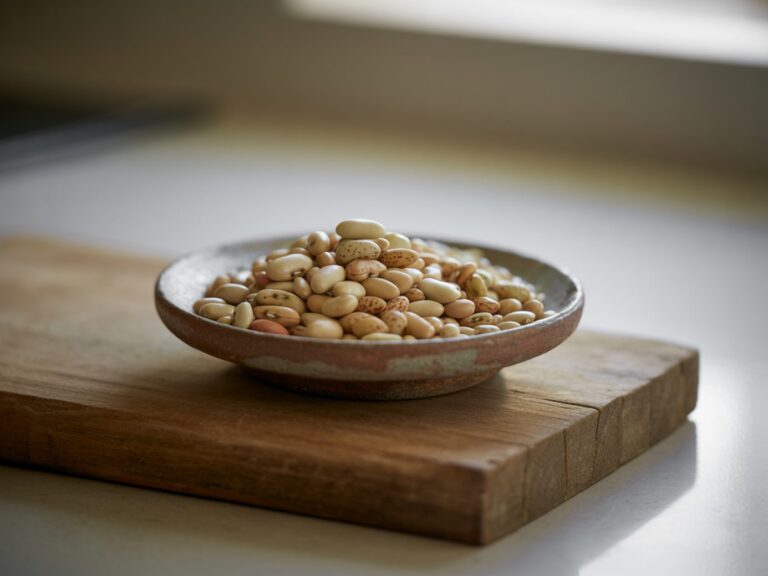
- Dark Red Kidney Bean: The most common variety in US supermarkets — deep burgundy, firm-textured, and ideal for chili and long-simmered dishes.
- Light Red Kidney Bean: A bit more tender with a slightly milder flavor; popular in the South for red beans and rice and in cold bean salads.
- White Kidney Bean (Cannellini): Technically a distinct variety, these ivory-colored beans are creamier and more delicate — a staple in Italian cuisine.
Recipes using kidney bean
20 recipes across our recipe sites use kidney bean. A few favorites:
Cooking with kidney bean tonight?
Find kidney bean recipes that match your diet — keto, high-protein, vegan, under 30 minutes — and build a shopping list in one tap.
History & origin
Kidney beans originated in Peru and Mexico thousands of years ago, where they were a cornerstone of indigenous diets long before European contact. Spanish and Portuguese explorers carried them back to Europe in the 16th century, and from there kidney beans spread rapidly across Africa, Asia, and the rest of the world. They arrived in North America with European settlers, though Indigenous peoples across the Americas had already been cultivating their own bean varieties for centuries. By the 19th century, kidney beans had become deeply embedded in American regional cooking — from New Orleans red beans and rice, traditionally made on Mondays (laundry day), to cowboy-style chuck wagon chili that eventually evolved into a defining dish of Texas cuisine.
How it’s made
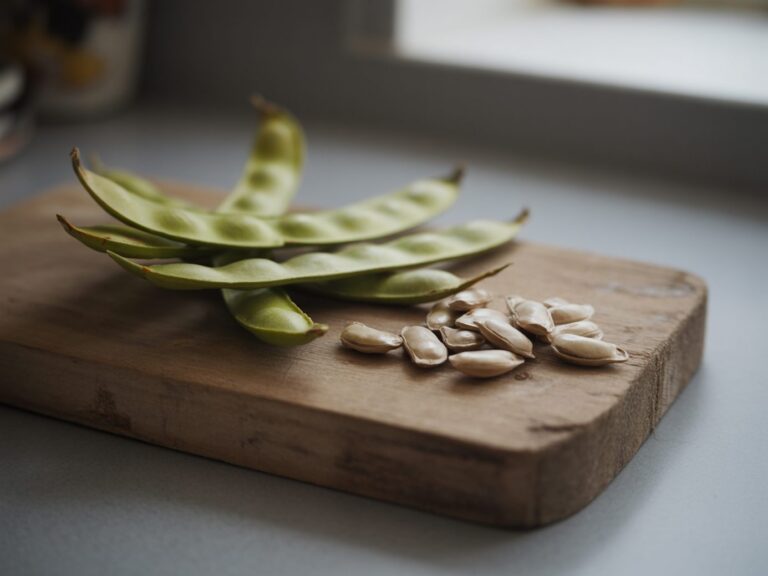
Kidney beans are the mature, dried seeds of Phaseolus vulgaris, the same species that gives us green beans and wax beans — just left on the vine to fully ripen and dry out. Farmers plant seeds in warm soil after the last frost, and the plants grow as low, bushy annuals. The pods mature through the summer and are harvested once the seeds inside have hardened and the pods have dried on the plant. After harvest, the pods are threshed to release the beans, which are then cleaned, sorted, and either sold dried or cooked and canned in processing facilities. Canned kidney beans are pressure-cooked at high heat inside sealed cans, which destroys the natural lectin toxin and makes them safe to eat straight from the can after rinsing.
Good to know
- Raw kidney beans contain phytohaemagglutinin, a lectin that can cause severe food poisoning — always boil dried beans for at least 10 minutes before eating or slow-cooking.
- Slow cookers alone don’t get hot enough to destroy the toxin in raw kidney beans, so you must boil them on the stovetop first before transferring them to a slow cooker.
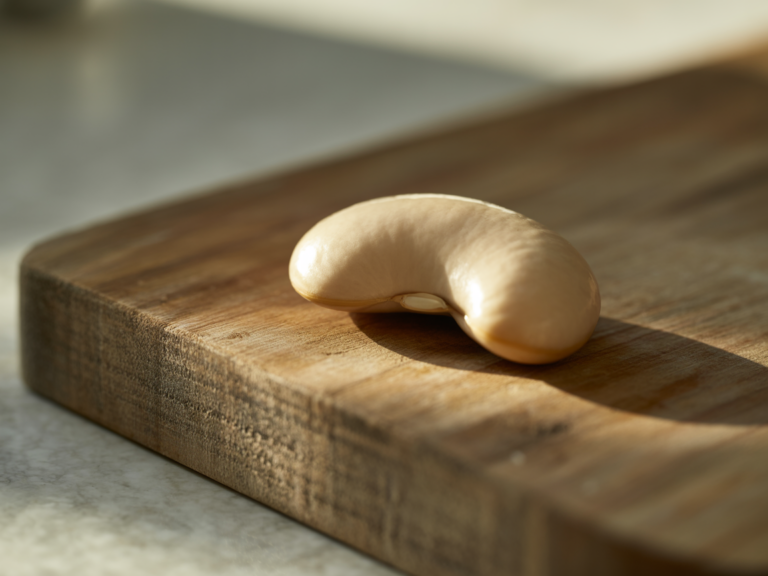
- The name ‘kidney bean’ comes directly from the bean’s unmistakable kidney-shaped curve, which also mirrors the shape of the human organ.
- Kidney beans are among the richest plant sources of molybdenum, a trace mineral that helps your body process sulfites.
- In Louisiana, Monday has been ‘red beans and rice day’ for generations — a tradition born from the habit of using the ham bone from Sunday’s dinner to flavor a pot of beans on laundry day.