Acorn Squash
Acorn squash is a cozy, nutty-sweet fall staple that transforms into something magical with just a little butter and heat.
In a nutshell
Acorn squash is a small, dark-green winter squash with deeply ridged skin and orange-yellow flesh that turns tender and sweet when cooked. It’s one of the most beginner-friendly squashes around — just halve it, scoop out the seeds, and roast. Its bowl-like shape also makes it a natural vessel for savory or sweet stuffings.
Nutrition
≈ 5 Calories and 0g fat per tablespoon.
Acorn squash is surprisingly light in calories for how filling and satisfying it feels, making it a smart choice for volume eaters. Its carbohydrates come with a decent fiber contribution that supports digestive health and helps slow the absorption of sugar into the bloodstream. The flesh is a good source of vitamin C for immune support and potassium, which supports healthy blood pressure. It also delivers B vitamins including B6 and thiamine, along with magnesium and manganese. The flesh contains beta-carotene, a precursor to vitamin A that supports eye health and immune function, though acorn squash is a more modest source of beta-carotene than deeper-orange squashes like butternut. Nutrition per 100g via Spoonacular.
Culinary uses & pairings
Roasting is the go-to method for acorn squash — halve it through the stem, scoop out the seeds, brush the cut sides with butter or olive oil, and roast cut-side down at 400°F (200°C) until fork-tender, about 40 to 50 minutes. Flip halfway through or finish cut-side up with a drizzle of maple syrup and a pinch of cinnamon for a simple, crowd-pleasing side. The natural cavity is perfect for stuffing with seasoned grains, sausage, dried cranberries, or a savory wild rice mixture before returning it to the oven.
Acorn squash also shines in soups and purees — roast the flesh first, then blend it with stock, aromatics, and warm spices like ginger or nutmeg for a silky bisque. It can be cubed and added to grain bowls, braised in coconut milk for a Thai-inspired dish, or sliced into rings and pan-seared. The seeds, like pumpkin seeds, can be rinsed, seasoned, and roasted for a crunchy snack.
Pairs well with
Substitutions
Buying & storage
Look for acorn squash that feels heavy for its size with a hard, unblemished rind — a dull sheen is normal, but avoid any soft spots, cracks, or moldy patches near the stem. The skin is typically dark green with possible orange patches where it rested on the ground; a larger orange patch is fine but an all-orange squash may be overripe and stringy. The stem should be intact and dry, not shriveled or missing, since a missing stem shortens shelf life considerably. Most acorn squash at the grocery store run between 1 and 2 pounds (450g to 900g), which is ideal for a single serving per half.
Varieties
- Table Queen: The classic dark-green variety found in most grocery stores; reliable flavor and widely available from late summer through winter.
- Table Gold (Golden Acorn): A golden-yellow skin variety with a slightly sweeter flavor; roasts beautifully and makes a colorful presentation.
- Carnival: Technically a hybrid of acorn and sweet dumpling squash; cream-colored with orange and green streaks and a mild, sweet flavor.
- Table Ace: A hybrid variety bred for higher yields and consistent production; common in commercial farming.
- Honey Bear: A compact, mini acorn squash variety that’s perfect for single servings; noted for exceptional sweetness and an edible skin when roasted.
Cooking with acorn squash tonight?
Find acorn squash recipes that match your diet — keto, high-protein, vegan, under 30 minutes — and build a shopping list in one tap.
History & origin
Acorn squash is native to North America and Central America, where Indigenous peoples cultivated it as part of the legendary “Three Sisters” planting system alongside corn and beans for thousands of years. It was a critical winter food source because the hard rind allowed it to be stored through cold months without refrigeration. European settlers adopted squash after contact with Indigenous peoples, and it became a staple of colonial American cooking. By the 20th century it had secured a permanent place in the American kitchen as a quintessential autumn and winter vegetable, tied closely to harvest traditions and Thanksgiving tables across the country.
How it’s made
Acorn squash is a warm-season vine crop grown from seed after the last frost, typically planted in late spring. The sprawling vines require full sun, well-drained soil, and consistent moisture, producing fruit that matures in roughly 80 to 100 days. Farmers harvest acorn squash when the skin has hardened completely and turned a deep, matte green — the rind should resist puncture from a fingernail. After harvest, the squash are sometimes cured at warm temperatures for a short period to harden the skin further, which can improve shelf life before they head to market, though acorn squash benefits less dramatically from curing than some other winter squash varieties.
Good to know
- The name comes from its distinctive acorn-like shape — a pointed base, ribbed sides, and a rounded top that resembles an oversized acorn.
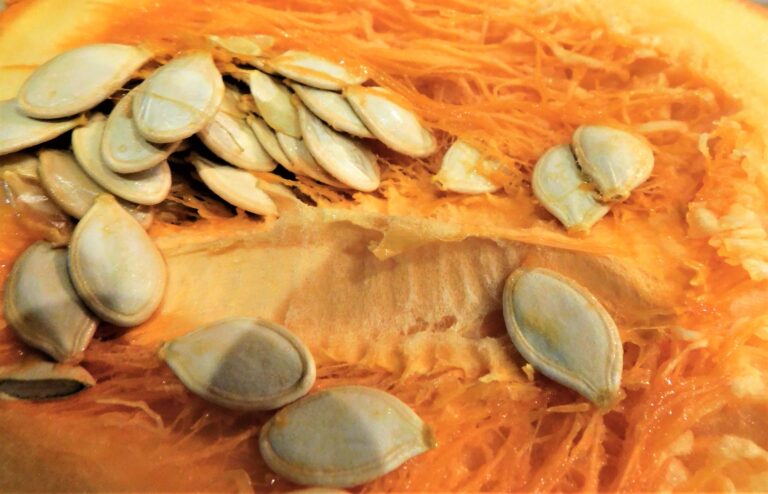
- Acorn squash seeds are fully edible — roast them with olive oil and salt just like pumpkin seeds for a nutritious snack.
- Despite being harvested in fall, acorn squash is botanically classified as a fruit because it develops from a flower and contains seeds.
- A single half of a medium acorn squash makes a perfectly portioned individual serving, which is one reason it’s so popular for weeknight dinners.
- Acorn squash belongs to the species Cucurbita pepo, making it a close botanical relative of zucchini, delicata squash, and even jack-o’-lantern pumpkins.