Squash
Squash is one of the most versatile vegetables in the American kitchen, shining from summer cookouts to cozy winter dinners.
In a nutshell
Squash is a broad family of vegetables split into tender, quick-cooking summer types and dense, long-storing winter types. Summer squash like zucchini are eaten skin and all, while winter squash like butternut and acorn are prized for their sweet, starchy flesh. Both are low-calorie, nutrient-rich staples that adapt to nearly any cooking method.
Nutrition
≈ 6 Calories and 0g fat per tablespoon.
Squash is a genuinely light vegetable—nearly fat-free and moderate in natural carbohydrates, with a modest fiber contribution that supports healthy digestion. Winter varieties are especially rich in beta-carotene, the plant pigment your body converts to vitamin A, which supports eye health and immune function; the deeper the orange color, the higher the concentration. Both summer and winter squash provide useful amounts of vitamin C and potassium, and winter types add a solid hit of B vitamins including B6 and folate. The low sodium content makes squash a naturally heart-friendly choice, and its gentle calorie load means you can eat it in generous portions. Nutrition per 100g via Spoonacular.
Culinary uses & pairings
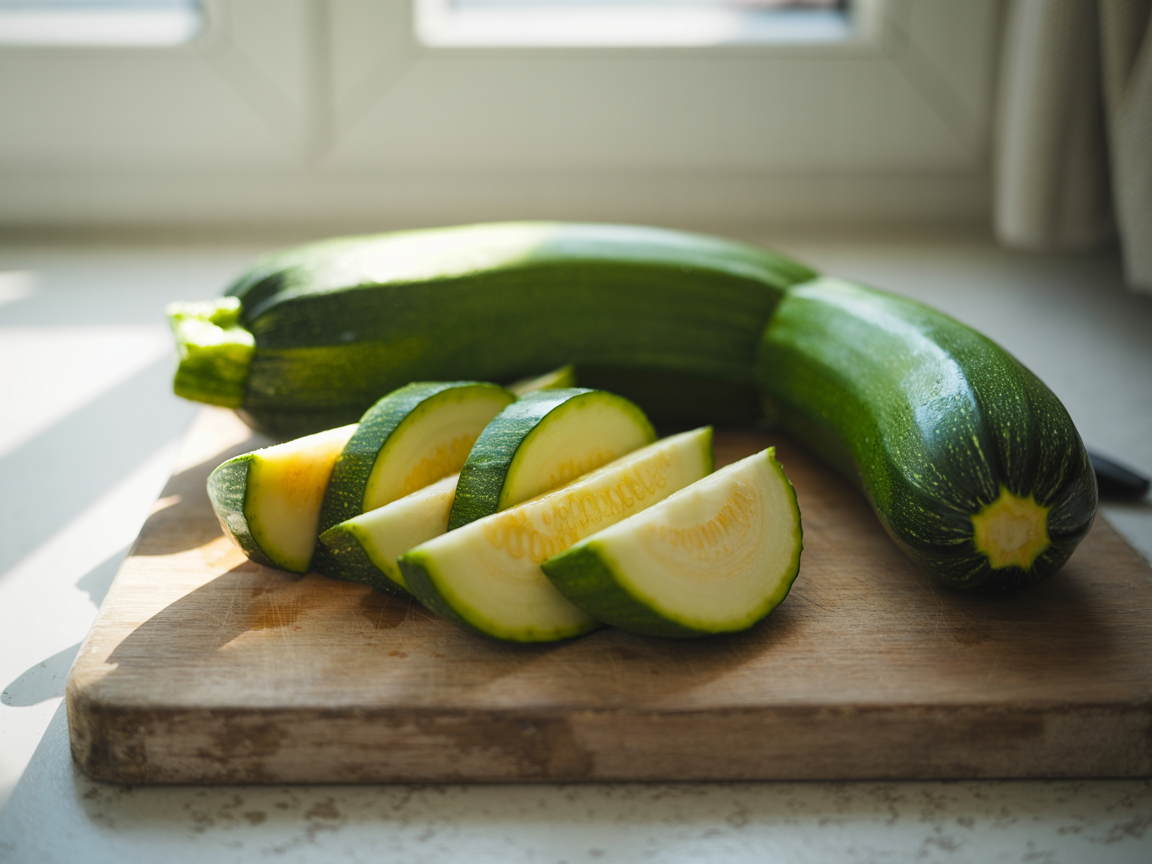
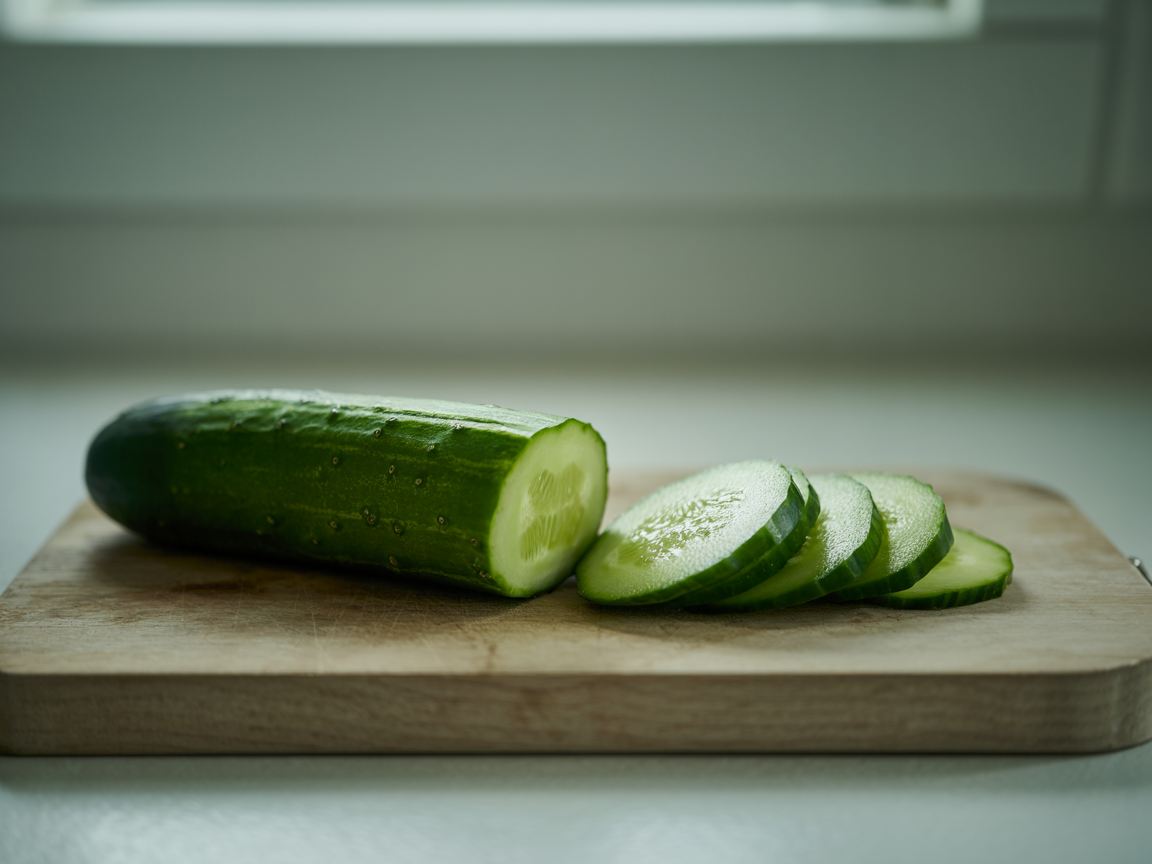
Summer squash—zucchini, yellow crookneck, and pattypan—cook fast and work beautifully sautéed in a hot skillet with olive oil and garlic, grilled on skewers, or shredded raw into fritters and quick breads. Their mild flavor makes them eager to absorb whatever seasonings surround them, so they’re a go-to for stir-fries, pasta primavera, ratatouille, and grain bowls.
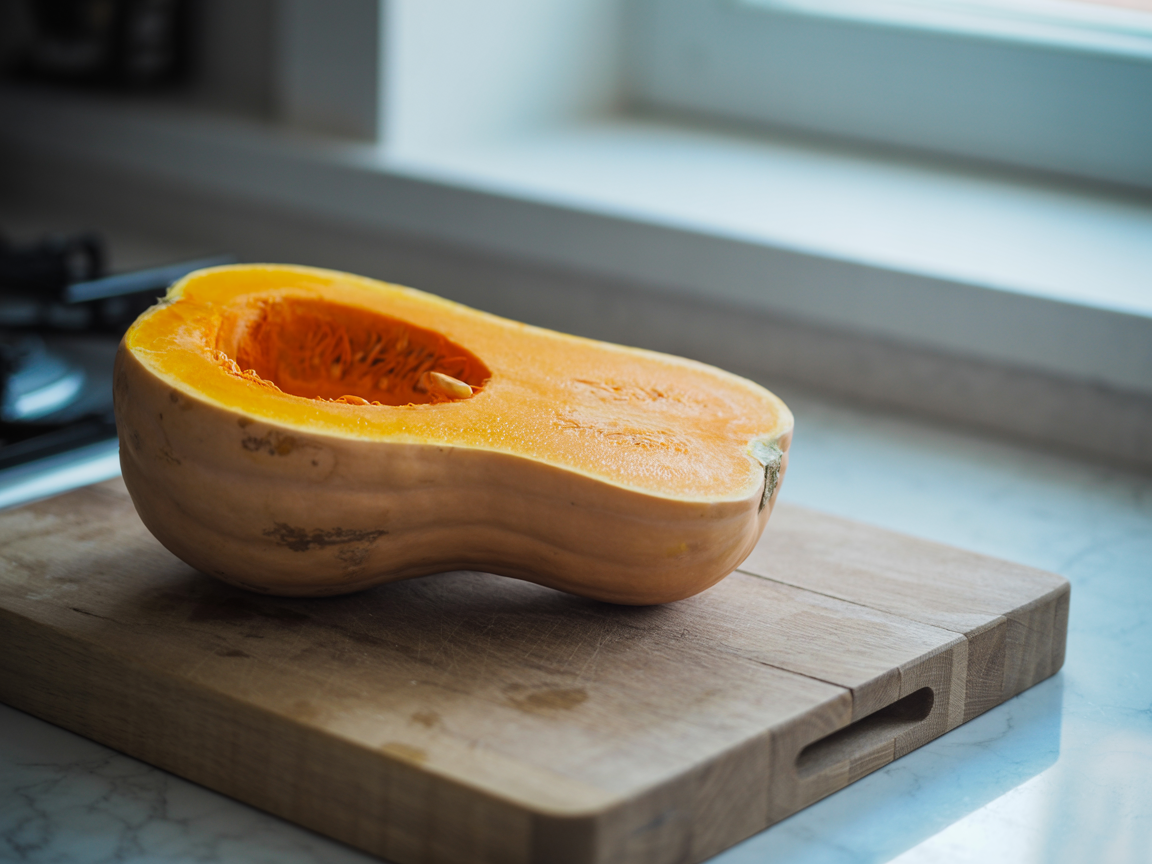
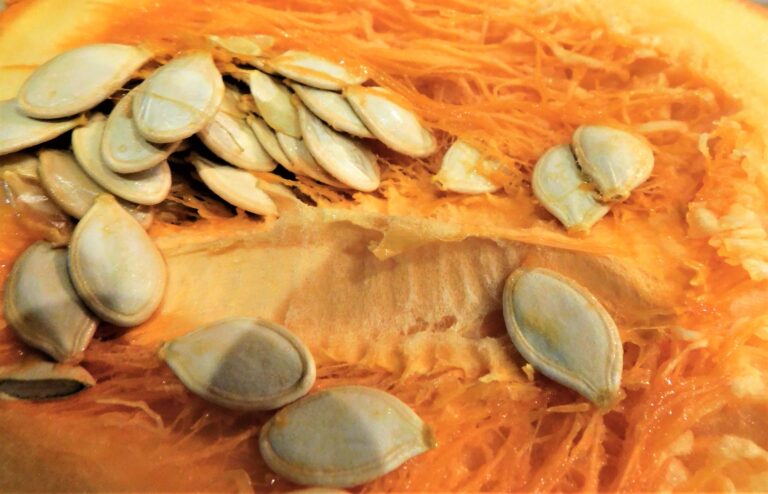
Winter squash shines when you give it time and heat. Roasting at 400 °F (200 °C) caramelizes its natural sugars and deepens the flavor dramatically. Butternut and kabocha purée into silky soups and sauces; acorn and delicata halves make perfect edible bowls for stuffing with grains, cheese, or ground meat; and cubed pieces are at home in curries, risottos, tacos, and Thanksgiving sides. The seeds of any squash can be rinsed, seasoned, and toasted for a crunchy snack.
Pairs well with
Substitutions
Buying & storage
For summer squash, smaller is better—look for firm, glossy skin with no soft spots, and choose pieces under 8 inches long, as larger ones tend to be seedy and watery. For winter squash, pick one that feels surprisingly heavy for its size, which signals dense, moist flesh; the skin should be hard with no cracks or mold, and a dry, corky stem is a good sign of proper curing. Avoid any winter squash with a shiny skin, which often means it was harvested too early. At the farmers market, you’ll find heirloom varieties worth seeking out for superior flavor.
Varieties
- Butternut: The most popular winter squash in US kitchens—sweet, smooth flesh that purees beautifully for soups and is easy to peel.
- Acorn: A small, ridged winter squash with mild, slightly nutty flesh; ideal for halving and stuffing or roasting with a drizzle of maple syrup.
- Delicata: A thin-skinned winter squash whose edible peel turns tender when roasted, making prep fast and easy.
- Kabocha: A Japanese-style winter squash with dense, intensely sweet flesh and a dry texture that works wonderfully in curries and tempura.
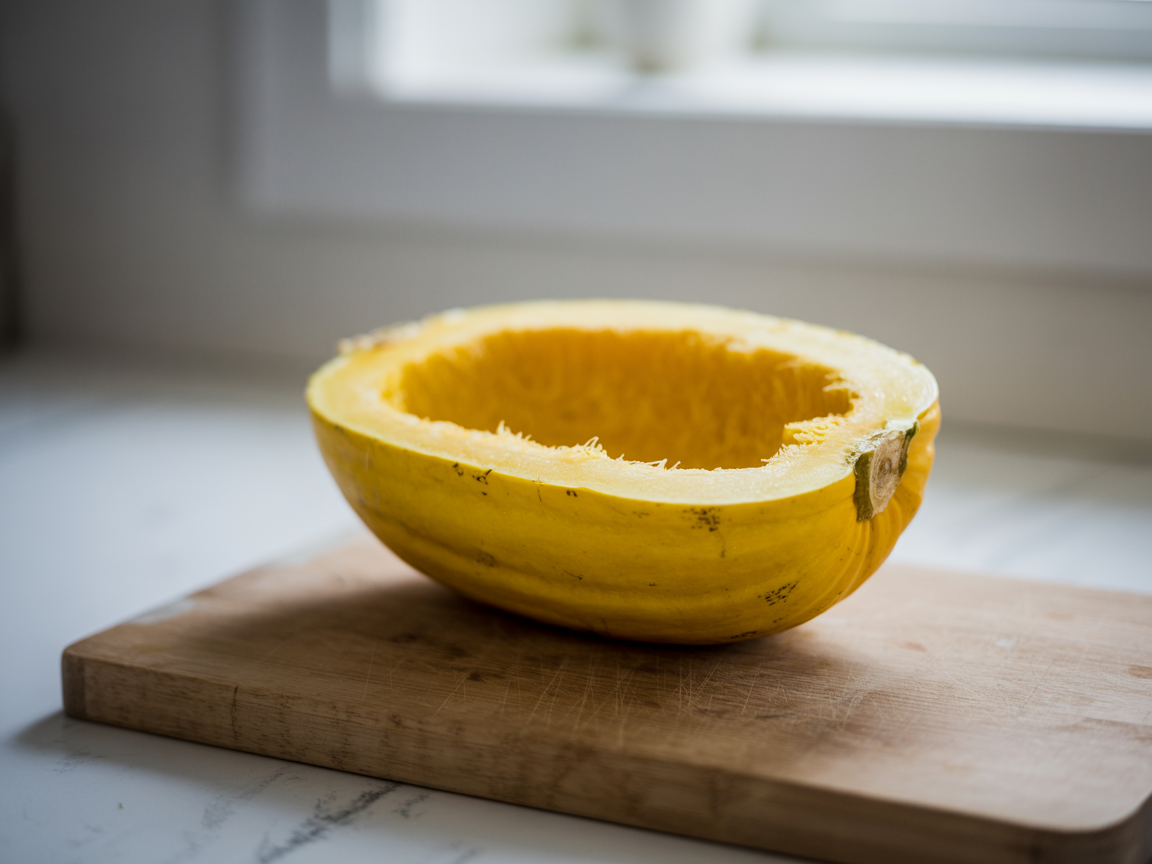
- Spaghetti Squash: When roasted, the flesh separates into noodle-like strands—a popular low-carb stand-in for pasta.
- Zucchini: The workhorse summer squash: mild, fast-cooking, and endlessly adaptable from the grill to the baking pan.
- Yellow Crookneck: A classic summer squash with tender, slightly sweeter flesh than zucchini and a cheerful color on the plate.
- Pattypan: A flying-saucer-shaped summer squash that’s great halved and stuffed or sautéed whole when small.
Recipes using squash
21 recipes across our recipe sites use squash. A few favorites:
Cooking with squash tonight?
Find squash recipes that match your diet — keto, high-protein, vegan, under 30 minutes — and build a shopping list in one tap.
History & origin
Squash has one of the longest cultivation histories of any vegetable in the Americas, with archaeological evidence placing its domestication in Mexico and Central America at least 8,000 to 10,000 years ago. It was one of the legendary “Three Sisters”—squash, corn, and beans—that Indigenous peoples across North America grew together in a symbiotic planting system, with the squash’s broad leaves shading the soil to retain moisture and suppress weeds. European colonists were introduced to squash by Native peoples and quickly adopted it as a staple crop. By the 19th century, dozens of named varieties were being grown across the continent, and today squash remains one of the top vegetable crops produced in the United States.
How it’s made
Squash is a warm-season crop grown from seed after the last frost, thriving in well-drained soil with full sun and consistent moisture. Summer squash grows on compact bush plants and is harvested young—typically 50 to 65 days after planting—before the skin hardens, which is why its rind stays edible. Winter squash grows on sprawling vines and is left on the plant until the skin cures into a hard shell, usually 80 to 110 days after planting. After harvest, winter squash is cured for 1 to 2 weeks in warm, dry conditions to further toughen the skin and convert starches to sugars, extending its shelf life significantly. Both types are harvested by hand and require careful handling to avoid bruising.
Good to know
- The word “squash” comes from the Narragansett word askutasquash, meaning something eaten raw or uncooked.
- A single zucchini plant can produce so much fruit in summer that gardeners famously leave bags of them on neighbors’ doorsteps anonymously.
- Squash blossoms are fully edible—both summer and winter varieties produce large yellow-orange flowers that are prized in Italian and Mexican cooking for stuffing and frying.
- The giant pumpkins grown for competition (a type of winter squash) can exceed 2,000 pounds (900 kg), making squash a contender for the heaviest fruit produced by any cultivated plant.
- Squash seeds have been used as a traditional remedy for intestinal parasites by many Indigenous cultures, a property that modern research associates with compounds called cucurbitin and related cucurbitacins.