Borlotti Beans
Borlotti beans bring a creamy, nutty richness to soups and stews that’ll make you reach for a second bowl.
In a nutshell
Borlotti beans — also called cranberry beans in the US — are a speckled tan-and-crimson shell bean beloved in Italian and Portuguese cooking. They turn creamy and tender when cooked, with a mildly nutty, earthy flavor that soaks up surrounding seasonings beautifully. Fresh pods are a late-summer treat, while dried or canned versions make them a pantry staple year-round.
Nutrition
≈ 18 Calories and 0.1g fat per tablespoon.
Borlotti beans are a nutritional powerhouse for plant-based eating. Their standout feature is an impressive roughly 10 grams of dietary fiber per 100 grams of dried beans — which supports digestive health and helps sustain a feeling of fullness. Nearly 9 grams of protein per 100 grams makes them a meaningful meat alternative, while their very low fat content and naturally minimal sodium keep them heart-friendly. The complex carbohydrates they provide digest slowly, helping to maintain steadier blood sugar levels, and they’re a good source of folate, iron, magnesium, and potassium. Nutrition per 100g via Spoonacular.
Culinary uses & pairings
Borlotti beans are the backbone of classic Italian dishes like pasta e fagioli and ribollita, where their creamy texture thickens the broth naturally as some beans break down during cooking. They also shine in slow-braised preparations — simmered with aromatics, tomatoes, rosemary, and a splash of olive oil, they become a satisfying main course in their own right.
Fresh borlotti beans (available late summer through early fall) can be shelled and cooked without soaking, making them quicker to prepare and even more tender than dried. They’re wonderful in warm salads, tossed with grilled vegetables and a simple vinaigrette, or pureed into a rustic dip as an alternative to hummus. Dried beans are ideal for long-simmered soups and minestrone, while canned versions work well in quick weeknight meals.
Pairs well with
Substitutions
Buying & storage
When shopping for dried borlotti beans, look for plump, evenly colored beans without cracks, shriveling, or an excessive amount of broken skins — older dried beans take longer to cook and may never fully soften. Buy from stores with decent turnover so the beans haven’t been sitting on the shelf for years. If you can find fresh borlotti pods at a farmers market in late summer, snap them up — the pods should feel firm and the seeds should feel plump inside. For canned, choose brands with minimal additives and low sodium when possible, or simply rinse regular canned beans well before using.
Types
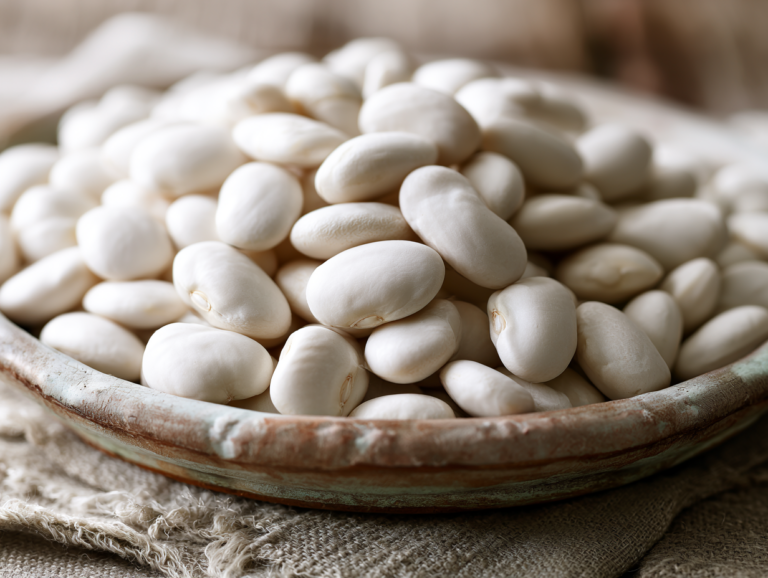
- Dried Borlotti: The most common pantry form; benefits from soaking 8 to 12 hours before cooking and yields the most concentrated, earthy flavor.
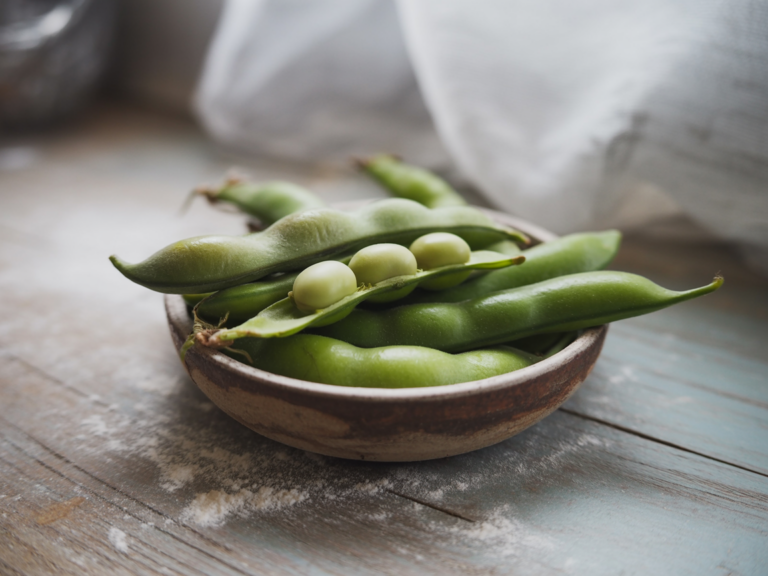
- Fresh (Shell) Borlotti: A late-summer seasonal treat sold in their speckled red-and-cream pods; no soaking needed and cooks in about 30 to 45 minutes.
- Canned Borlotti: Pre-cooked and ready to use; a great convenience option for weeknight meals — drain and rinse before adding to recipes.
Cooking with borlotti beans tonight?
Find borlotti beans recipes that match your diet — keto, high-protein, vegan, under 30 minutes — and build a shopping list in one tap.
History & origin
Borlotti beans trace their roots to South America, where beans of the Phaseolus vulgaris species were cultivated for thousands of years before European contact. Spanish and Portuguese explorers brought them back to Europe in the 16th century, and the bean found a particularly warm reception in northern Italy, where it became woven into the culinary fabric of regions like Veneto, Lombardy, and Tuscany. Over centuries Italian farmers selected for the characteristic speckled pod and creamy texture we recognize today. In the US, the same bean is widely known as the cranberry bean, a name that references its vivid markings rather than any flavor connection to the fruit.
How it’s made
Borlotti beans grow on bushy or climbing plants in warm, well-drained soil and are typically direct-sown after the last frost. The plants produce distinctive cream-and-crimson streaked pods that are harvested at two stages: in late summer while still plump and fresh (shell stage), or left to fully dry on the plant in fall for dried beans. For the dried form, pods are allowed to mature until the seeds rattle inside, then the beans are threshed, cleaned, and dried to reduce moisture content to a shelf-stable level. Because borlotti beans lose their signature markings when cooked — the speckles fade to a uniform pale tan — the dramatic coloring is purely a signal of freshness before they hit the pot.
Good to know
- Borlotti beans lose their beautiful red speckles entirely during cooking, turning a uniform buff-tan color — the markings are a sign of freshness, not a flavor indicator.
- In Italy, pasta e fagioli (pasta and beans) is closely associated with borlotti beans, which are among the most traditional legumes used in the dish.
- Despite going by different names — borlotti in Italy, cranberry bean in the US, cargamanto in Colombia — these are all the same botanical species, Phaseolus vulgaris.
- Fresh borlotti beans require no overnight soaking and cook in under an hour, making them one of the faster fresh legumes to prepare.
- Very young, tender borlotti pods can be cooked and eaten whole before the beans inside have fully developed, much like green beans.