Cannellini Bean
Creamy, mild cannellini beans are a pantry hero that makes every soup, stew, and salad feel a little more satisfying.
In a nutshell
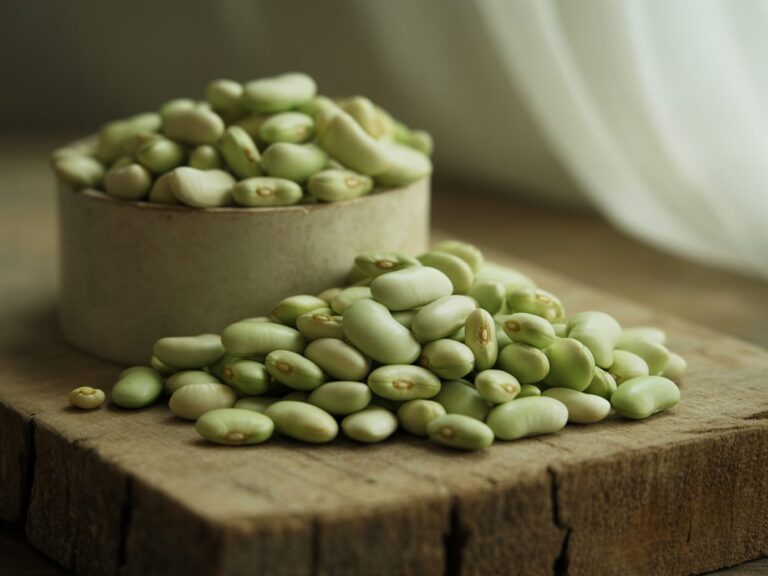
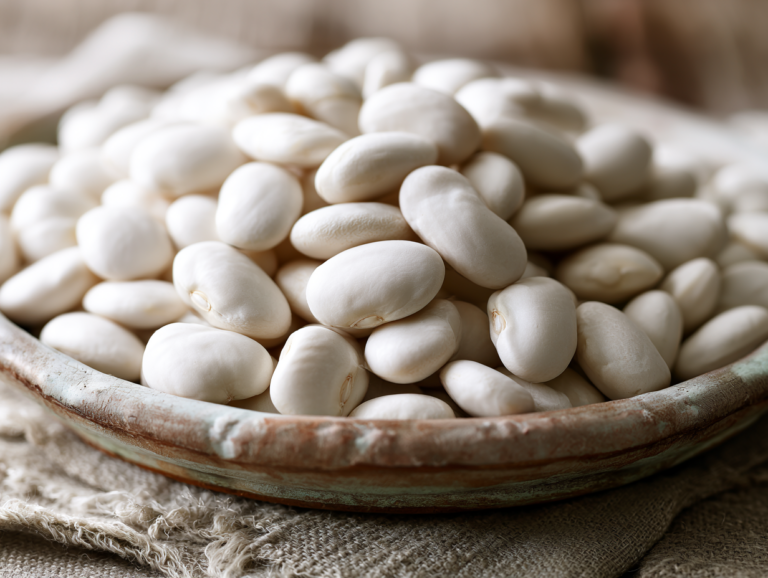
Cannellini beans are large white kidney-shaped legumes prized for their velvety texture and neutral, earthy flavor. They hold their shape well during cooking yet turn wonderfully creamy when mashed or pureed. A staple of Italian and Mediterranean cooking, they’re equally at home in rustic peasant soups and elegant restaurant dishes.
Nutrition
≈ 10 Calories and 0g fat per tablespoon.
Cannellini beans deliver an impressive nutritional punch for such a humble ingredient. A meaningful share of their calories comes from plant-based protein, making them a valuable meat alternative for vegetarians and flexitarians alike. Their standout feature is a notably high dietary fiber content, which supports digestive health and helps sustain steady blood-sugar levels — a big plus for anyone managing energy throughout the day. They also contribute meaningful amounts of iron, folate, magnesium, and potassium, nutrients that support everything from red blood cell production to heart and muscle function. Canned versions carry notable sodium, so rinsing them under cold water can reduce that significantly if you’re watching your intake. Nutrition per 100 g.
Culinary uses & pairings
Cannellini beans shine brightest in Italian classics like pasta e fagioli, ribollita, and minestrone, where their creamy interior absorbs the flavors of garlic, rosemary, and good olive oil beautifully. They’re equally wonderful simply warmed in a pan with sautéed aromatics and a splash of broth, then spooned alongside grilled fish or roasted chicken as a quick, satisfying side.
Beyond soups and stews, cannellini beans make an effortless white bean dip or spread — just mash or blend them with lemon juice, garlic, and olive oil for a crowd-pleasing alternative to hummus. Tossed cold into salads with tuna, capers, and parsley, or folded into grain bowls, they add hearty protein without weighing the dish down.
Pairs well with
Substitutions
Buying & storage
For everyday cooking, canned cannellini beans are perfectly respectable — look for cans with no added salt or a short ingredient list, and always give them a good rinse before using. If you want superior flavor and texture, seek out dried cannellini beans from the current or previous year’s crop; bags should look plump and evenly colored without any shriveled or discolored beans. Avoid jars or cans that are dented or bulging. Specialty Italian grocers sometimes carry imported dried beans that are noticeably creamier and more flavorful than commodity brands.
Types
- Dried cannellini: Requires soaking and a longer cook time (60–90 minutes after soaking) but delivers superior creamy texture and deeper flavor.
- Canned cannellini: Ready to use straight from the can; a huge convenience win for weeknight cooking with nearly identical nutrition.
- Cannellini in jars (Italian import): Often cooked in light brine and considered a step up in quality; beans stay whole and are noticeably silkier.
Recipes using cannellini bean
1 recipes across our recipe sites use cannellini bean. A few favorites:
Cooking with cannellini bean tonight?
Find cannellini bean recipes that match your diet — keto, high-protein, vegan, under 30 minutes — and build a shopping list in one tap.
History & origin
Cannellini beans are native to South America, where beans in the Phaseolus vulgaris family were domesticated thousands of years ago. Spanish and Portuguese explorers brought them to Europe in the 16th century, and they found an especially enthusiastic home in central and northern Italy — Tuscany in particular became so devoted to beans that Italians famously nicknamed the Tuscans mangiafagioli, or ‘bean eaters.’ Over centuries, cannellini became deeply woven into the cucina povera (‘peasant cooking’) tradition, providing affordable, filling protein to generations of Italian families. Today they remain a cornerstone of Italian and Italian-American cooking and are beloved in kitchens across the United States.
How it’s made
Cannellini beans are a warm-season legume grown much like other dry beans — seeds are sown in spring after the last frost, and the plants grow as bushy annuals that produce pods over the summer. When the pods mature and dry on the vine, the entire plant is harvested and the beans are threshed to separate them from the pods, then cleaned and sorted. For the canned product, dried beans are soaked, fully cooked, packed into cans with water and sometimes salt, and sealed before a final sterilization process. Because canning effectively pre-cooks the beans, they require no further cooking — just heat and flavor them.
Good to know
- The name ‘cannellini’ comes from the Italian word for ‘little tubes,’ a reference to the bean’s elongated, slightly cylindrical shape.
- Rinsing canned cannellini beans under cold water can remove a significant portion of the sodium added during canning.
- In Tuscany, a classic preparation called fagioli al fiasco traditionally cooked cannellini beans slowly inside a wine flask nestled in warm fireplace embers.
- Cannellini beans are among the higher-fiber foods you can keep in your pantry, with a cooked half-cup serving providing around 6 grams of dietary fiber.
- The aquafaba — the starchy liquid in a can of cannellini beans — can be used as a vegan egg white substitute in baking and cocktails.