Cucumber Seeds
Tiny, mild, and surprisingly nutritious, cucumber seeds are the hidden gem inside every cuke.
In a nutshell
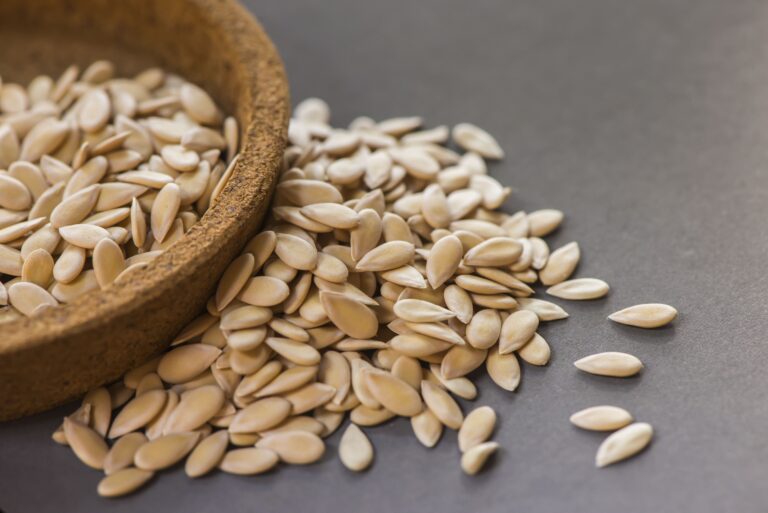
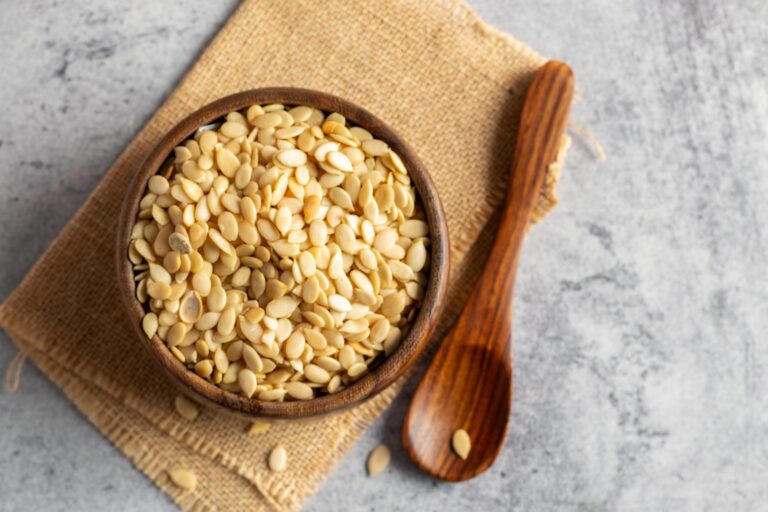
Cucumber seeds are the pale, oval seeds found in the seed cavity of a cucumber. Most home cooks scoop them out and discard them, but they’re perfectly edible — raw, dried, or lightly toasted. They have a mild, faintly grassy flavor and offer a gentle crunch when dried.
Nutrition
≈ 2 Calories and 0g fat per tablespoon.
Cucumber seeds are low in calories and contain a small amount of fat, primarily unsaturated. They provide a modest hit of plant-based protein and some fiber relative to their tiny size, which supports digestive health. They also contain small amounts of minerals including magnesium and potassium, and like the rest of the cucumber, they have a high water content when fresh that contributes to hydration. Nutrition per 100 g.
Culinary uses & pairings
Fresh cucumber seeds can simply be left in place when slicing cucumbers for salads, tzatziki, or snacking — no need to remove them unless you’re avoiding extra moisture in a dish. When scooped out deliberately, they can be blended into smoothies, cold soups like gazpacho, or green juices for a hydrating, low-calorie boost.
Dried or roasted cucumber seeds take on a satisfying crunch and a nuttier, more concentrated flavor. Toss them with olive oil and sea salt and roast at 325 °F (165 °C) until golden for a light snack, or grind them into a powder to add subtle cucumber flavor to spice rubs, salad dressings, and bread doughs.
Pairs well with
Substitutions
Buying & storage
Cucumber seeds aren’t commonly sold on their own in US grocery stores, so most home cooks simply harvest them from fresh cucumbers at home — a free byproduct of everyday cooking. If you want seeds for drying or planting, look for heirloom or open-pollinated cucumber varieties at farmers markets or specialty seed suppliers, as these produce seeds that are truer in flavor and can be saved season to season. Avoid seeds from waxed or hothouse cucumbers, which may be underdeveloped or treated.
Varieties
- Slicing cucumber seeds: The most common source; seeds are tender and mild, often scooped out to reduce moisture in cooking.
- Pickling cucumber seeds: Slightly firmer and smaller; the whole cucumber including seeds is typically left intact for pickling.
- English (hothouse) cucumber seeds: Very small and barely developed, making them nearly undetectable in texture — one reason this variety is marketed as ‘seedless.’
- Lemon cucumber seeds: From the round, pale-yellow lemon cucumber; seeds are slightly larger and have a mellow, sweet flavor good for drying.
- Armenian cucumber seeds: Technically a muskmelon (Cucumis melo var. flexuosus), but used like a cucumber; seeds are similar in size and flavor and are equally edible.
Recipes
We do not have recipes featuring cucumber seeds in our collection just yet — but you can discover thousands of recipes, filtered to your diet and your pantry, over at Tucker Finder.
Find your next recipe
Discover thousands of recipes — matched to your diet, your pantry, and your schedule — and build a shopping list in one tap.
History & origin
Cucumbers have been cultivated for at least 3,000 years, with origins in South Asia, and their seeds have always traveled with them — used both for planting the next crop and, in traditional herbal medicine systems such as Ayurveda, as a cooling remedy. References to cucumber cultivation appear in ancient Indian and Near Eastern records, and the plant spread through the Mediterranean world and into Europe before eventually reaching the Americas. Farmers across cultures valued careful seed saving and selection as the primary means of improving each season’s harvest.
How it’s made
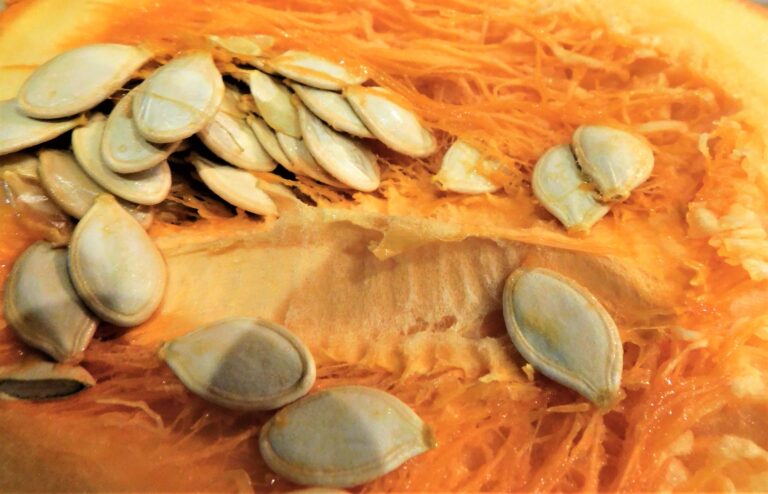
Cucumber seeds develop inside the fruit’s central seed cavity as the cucumber matures on the vine. For eating, seeds are simply scooped from a ripe or overripe cucumber, rinsed free of pulp, and either used fresh or dried. Commercial cucumber seed oil is cold-pressed from fully dried seeds, concentrating their fatty acids. For saving and planting, seeds benefit from briefly fermenting in water to remove the gelatinous coating that can inhibit germination, then are rinsed, dried thoroughly, and stored in a cool, dark environment until the next growing season.
Good to know
- A single standard slicing cucumber can contain dozens to well over a hundred seeds, with the exact count varying by size and variety.
- Cucumber seeds are the source of a light, pale-yellow cold-pressed seed oil used in cosmetics and gourmet cooking.
- In traditional Ayurvedic practice, cucumber and its seeds have been used for their cooling properties in various preparations.
- The ‘seedless’ English cucumber isn’t truly seedless — it simply has very small, underdeveloped seeds that are barely noticeable when eaten.
- Cucumber belongs to the Cucurbitaceae family, making its seeds botanical relatives of watermelon, squash, and melon seeds — all of which are edible when dried and roasted.